
Soups & Stews
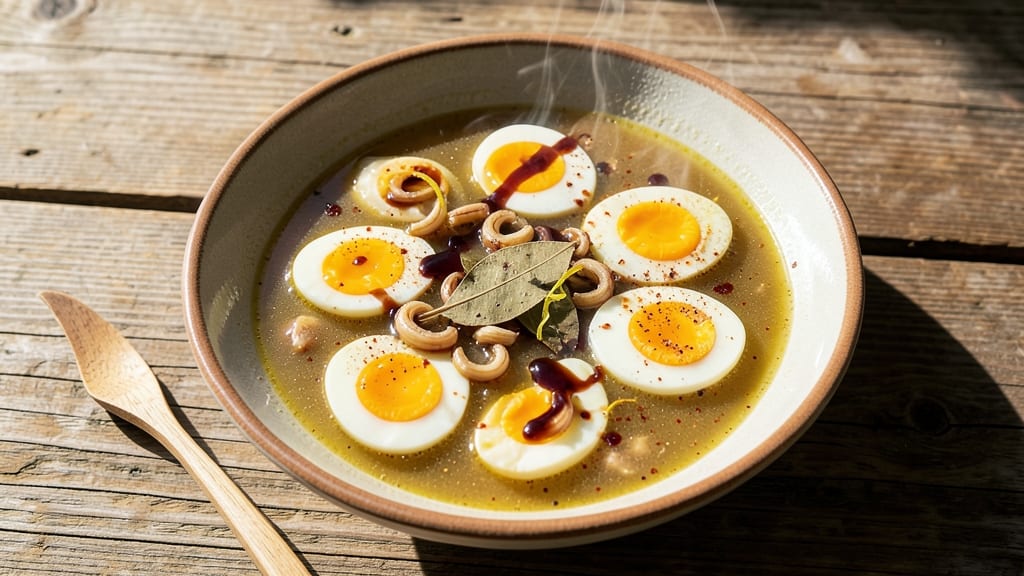
This Spanish garlic egg soup recipe delivers the soul-warming comfort of Andalusian kitchens in every spoonful. The magic begins with garlic fried in olive oil until golden and fragrant, creating the foundation for a broth so rich with umami it transforms simple ingredients into something extraordinary.
What makes this dish special is its balance—creamy from the eggs, savory from the broth, and brightened by a touch of sherry vinegar that cuts through the richness.
The traditional method involves poaching eggs directly in the hot broth, ensuring they cook perfectly without overcooking the delicate yolks. This technique, passed down through generations, guarantees tender eggs that melt into the soup with just a gentle stir.
The result is a bowl that's both hearty and light, perfect for chilly evenings or as a comforting lunch.
What you'll end up with is a soup that's deeply flavorful yet surprisingly simple to prepare—no complicated techniques required. The garlic infuses the olive oil with layers of aroma, while the eggs add a luxurious creaminess that makes this dish feel like a restaurant-quality meal.
Serve it with crusty bread to soak up every last drop of that garlicky, eggy goodness.
This recipe isn't just about the ingredients; it's about the experience. The slow simmering of the broth develops complex flavors, and the final touch of smoked paprika adds a subtle smokiness that ties everything together.
Whether you're making it for a family dinner or a cozy solo meal, this Spanish garlic egg soup will become a staple in your kitchen.
Ingredients for spanish garlic egg soup
The foundation of this Spanish classic lies in golden garlic and rich olive oil.
| Ingredient | Amount | Notes |
|---|---|---|
| Extra-Virgin Olive Oil 🫒 | ½ cup | High-quality, fruity variety preferred |
| Garlic Cloves 🧄 | 8 cloves | Fresh, peeled, thinly sliced |
| Large Eggs 🥚 | 4 whole | Fresh, room temperature |
| Chicken Broth 🍲 | 4 cups | Homemade or high-quality store-bought |
| Sherry Vinegar 🍋 | 1 tbsp | For brightness and acidity |
| Smoked Paprika 🌶️ | ½ tsp | For subtle smokiness |
| Salt 🧂 | 1 tsp | Diamond Crystal preferred |
| Black Pepper 🌶️ | ¼ tsp | Freshly ground |
| Fresh Parsley 🌿 | ¼ cup | Chopped, for garnish |
| Crusty Bread 🍞 | 1 loaf | For serving, optional |
| Bay Leaves 🌿 | 1 whole | For broth infusion |
| Red Bell Pepper 🍅 | ½ cup | Diced, optional for texture |
The garlic is non-negotiable here—Spanish garlic has the most intense flavor, but regular garlic works in a pinch. Whole Foods or specialty markets carry it, but your local grocery store's fresh garlic is fine if it's plump and firm. The olive oil should be extra-virgin, with a fruity aroma—California or Italian varieties work best. For the broth, homemade is ideal, but Pacific Foods or Swanson brands are reliable store-bought options. The bay leaves add depth, so don't skip them—just remember to remove them before serving.
No sherry vinegar? White wine vinegar or apple cider vinegar will work, though the flavor won't be identical. Fresh parsley is ideal, but dried parsley at one-third the amount gets you close. The red bell pepper is optional but adds a nice contrast in texture—any color works. For the eggs, make sure they're fresh, as they poach directly in the hot broth. If you're using pre-made broth, check for added salt—you may need to adjust. The smoked paprika should be mild to medium heat; hot varieties can overpower the delicate flavors.
This soup tastes even better the next day, so make a double batch if you can. Store leftovers in the fridge for up to 3 days, covered tightly. The crusty bread? Store-bought baguettes or sourdough work perfectly—just toast them lightly before serving. If you want to prep ahead, you can make the garlic oil and broth separately, then combine just before adding the eggs. The eggs should be poached in the hot broth for 2-3 minutes max, or they'll overcook.
Why You'll Love This Recipe
- No Pan Required: I swear by this one—just a pot and a whisk. No chopping, no straining, no fancy gadgets. You heat the olive oil, toss in minced garlic until it’s golden (not burnt, we’re not making medicine here), pour in the broth, and let the eggs do the rest. Honestly, it’s the kind of recipe that makes me feel like a chef without the mess.
- Garlic Overload (Good Kind): That first spoonful of broth with the garlic sizzling in olive oil? Pure magic. The sherry vinegar cuts through the richness, and when you crack those eggs into the simmering broth, the yolks turn into silky ribbons. It’s the kind of flavor that sticks with you—like a warm hug for your taste buds.
- Leftover Goldmine: This soup actually gets better the next day. The eggs settle into the broth, soaking up all the garlic and umami, while the broth thickens just enough to feel heartier. I’ll be real: my lunchbox gets packed with leftovers because it’s that good. No sad, watery soup here—just rich, comforting bites.
- Budget-Friendly Luxury: Five ingredients, zero guilt. Eggs are cheap, broth is cheap, and a little sherry vinegar stretches the flavor without breaking the bank. It’s the kind of meal that makes me feel fancy without the restaurant price tag. Plus, you can make it in bulk and freeze portions—because who doesn’t love a freezer-friendly soup?
Step-by-step instructions for Spanish garlic egg soup
This Spanish classic delivers layers of garlic flavor with tender poached eggs and rich broth.
Infuse the Garlic Oil
Heat the 0.5 cup extra-virgin olive oil in a large saucepan over medium-low heat. Add the 8 cloves sliced garlic and 1 whole bay leaf, stirring gently to combine. Cook for 8-10 minutes until the garlic turns a deep golden brown and releases its fragrant oils—this is where the soup's signature depth comes from.
Watch the color carefully; it should be golden, not burnt. If it starts to smoke, reduce the heat immediately. The bay leaf will infuse subtle herbal notes into the oil. Remove the pan from heat and let the infused oil cool slightly while you prepare the broth.
Build the Garlicky Broth Base
Return the saucepan to medium heat and add the 4 cups chicken broth, bringing it to a gentle simmer. Stir in the 1 tablespoon sherry vinegar and 0.5 teaspoon smoked paprika, letting the mixture cook for 5 minutes to allow the flavors to meld. The vinegar adds brightness while the paprika contributes subtle smokiness.
Season with 1 teaspoon salt and 0.25 teaspoon black pepper, adjusting to taste. If using the 0.5 cup diced red bell pepper, add it now and simmer for an additional 3 minutes until slightly softened. The bell pepper adds a pleasant crunch and freshness that contrasts beautifully with the rich broth.
Poach the Eggs
While the broth simmers, prepare the 4 whole large eggs by cracking them into a small bowl. Bring a separate pot of water to a gentle simmer (not a rolling boil) and carefully lower the eggs into the water using a slotted spoon. Poach for 3-4 minutes until the whites are set but the yolks remain runny and vibrant.
Use a slotted spoon to transfer the poached eggs to the broth, being careful not to break the yolks. The eggs should float gently in the soup, ready to absorb the garlicky flavors. Keep the broth at a very gentle simmer—too much heat will cook the eggs too quickly and make them rubbery.
Finish and Serve
Once the eggs are poached, return the soup to a gentle simmer for 2-3 minutes to allow the flavors to fully integrate. Remove from heat and stir in the 0.25 cup chopped fresh parsley, which adds a fresh, vibrant finish that cuts through the richness of the garlic and eggs.
Ladle the soup into bowls, placing one poached egg in each. Serve immediately with slices of crusty bread on the side. The contrast of the warm, garlicky broth with the crisp bread makes this soup a complete meal. Each spoonful should deliver a perfect balance of umami from the garlic, richness from the eggs, and brightness from the vinegar and parsley.
Pro Tips For Making Spanish Garlic Egg Soup
- Infuse the Garlic Slowly: Start with just 3 cloves, minced fine, and let them cook in the olive oil over low heat for 5-6 minutes—until they’re golden and fragrant, not browned. I used to rush this and end up with bitter, overcooked garlic that ruined the whole dish. The soup’s magic is in that mellow, sweet garlic base.
- Crack Eggs Directly In: Skip the bowl—crack each egg straight into the simmering broth while stirring gently. The gentle heat will slowly cook them into ribbons without scrambling. I tried whisking first, but the eggs always turned out too thick and clumpy. This method keeps them silky.
- Control the Broth Heat: Keep the broth at a bare simmer—tiny bubbles, not a rolling boil—when adding eggs. Too much heat turns the eggs into curds. I learned this after making a lumpy mess the first time; now I watch the pot like a hawk and adjust the flame if needed.
- Finish with Vinegar Last: Add the sherry vinegar after the eggs have cooked, just before serving. It brightens the broth and cuts through the richness of the eggs. Pouring it in too early makes the broth taste sharp and unbalanced—like adding lemon to soup before the main event.
Troubleshooting your spanish garlic egg soup
Garlic Burns Too Fast
If your garlic turns bitter or smoky before reaching golden brown, you're likely cooking it too hot. Use medium-low heat and stir frequently with a wooden spoon to prevent burning.
I've found that Spanish garlic (like the kind from Whole Foods) handles heat better than regular garlic, but even then, patience is key. Keep the pan uncovered to allow excess moisture to evaporate—this helps the garlic crisp up more evenly. 🌡️
Broth Too Thin or Watery
A watery broth often means the broth wasn't reduced enough or the garlic oil wasn't properly infused. After adding the broth, simmer uncovered for an extra 5-7 minutes to thicken it naturally.
If it's still too thin, remove the pan from heat and let it sit for 10 minutes—the residual heat will continue reducing the liquid. For future batches, reduce the broth by ¼ cup before adding the eggs to ensure a richer consistency.
Eggs Overcook or Break
Poached eggs in hot broth can easily overcook or fall apart if not handled carefully. First, make sure your broth is at a gentle simmer (small bubbles, not a rolling boil) before adding the eggs.
For extra stability, crack the eggs into a fine-mesh strainer before lowering them into the broth—this helps them hold their shape. If an egg breaks, use a spoon to gently push the yolk back together. I also recommend using room-temperature eggs—they poach more cleanly than cold ones.
Flavors Lack Depth
If your soup tastes flat, the garlic oil might not have infused long enough or the broth needs more seasoning. For deeper flavor, cook the garlic oil for 10-12 minutes until it's deeply golden and fragrant.
Taste the broth before adding eggs—if it needs more umami, stir in ½ teaspoon fish sauce or an extra splash of sherry vinegar. A pinch of sugar (just ¼ teaspoon) can also balance the acidity and enhance the garlic's sweetness. 💡
Oil Separates from Broth
This happens when the broth isn't hot enough to emulsify the garlic oil properly. To fix it, whisk the soup vigorously for 30 seconds—the movement will help the oil redistribute. For prevention, keep the broth at a steady simmer (not a boil) when adding the eggs.
If the separation persists, stir in 1 teaspoon cornstarch mixed with 1 tablespoon cold water to help bind the mixture. The soup should come together smoothly with gentle stirring.
Leftovers Too Thick
Refrigerated soup often thickens because the starches in the broth gel as they cool. To reheat, add 2-3 tablespoons of hot water or broth and stir well before bringing it back to a simmer.
For a creamier texture, whisk in 1 tablespoon heavy cream or a splash of milk while reheating. If the soup is still too thick, thin it with a bit more broth or water. Store leftovers in an airtight container to prevent further thickening.
Nutrition facts
Frequently asked questions
Can I make this Spanish garlic egg soup vegetarian?
Replace the chicken broth with a rich vegetable broth and use vegetarian smoked paprika to maintain the smoky depth. For extra umami, add 1 teaspoon soy sauce or ½ teaspoon nutritional yeast to the broth. The eggs remain the same, but you can also use tofu cubes for a vegan option—just simmer them with the broth for 3-4 minutes before serving.
How do I know when the garlic is perfectly fried?
The garlic should turn a deep golden brown with a rich, nutty aroma—almost like toasted bread. It should smell sweet and fragrant, not bitter or burnt. If it starts to darken too quickly, reduce the heat to low and stir more frequently. The key is patience: 8-10 minutes of gentle cooking is ideal, but don't rush it!
Can I prepare this soup ahead of time?
Yes! Make the garlic oil and broth up to 2 days ahead and store them separately in the fridge. When ready to serve, reheat the broth gently, then poach the eggs fresh for perfect texture. For the best flavor, add the eggs just before serving—this keeps them creamy and vibrant. If you must store the whole soup, keep it in an airtight container for up to 2 days, but reheat without the eggs and add them fresh.
What’s the secret to perfect poached eggs in the soup?
Use room-temperature eggs and a gentle simmer (small bubbles, not a boil). Crack the eggs into a fine-mesh strainer first to help them hold their shape. Poach for just 3-4 minutes—the whites should be set but the yolks still runny. Add them to the broth 1 at a time and keep the heat very low to avoid overcooking.
Is sherry vinegar essential, or can I substitute?
Sherry vinegar adds a unique brightness, but you can substitute with white wine vinegar or apple cider vinegar. For a deeper flavor, use 1 tablespoon dry sherry instead—it’ll give the soup a subtle wine-like complexity. Just remember, vinegar balances the richness, so don’t skip it entirely!