
Breakfast & Brunch
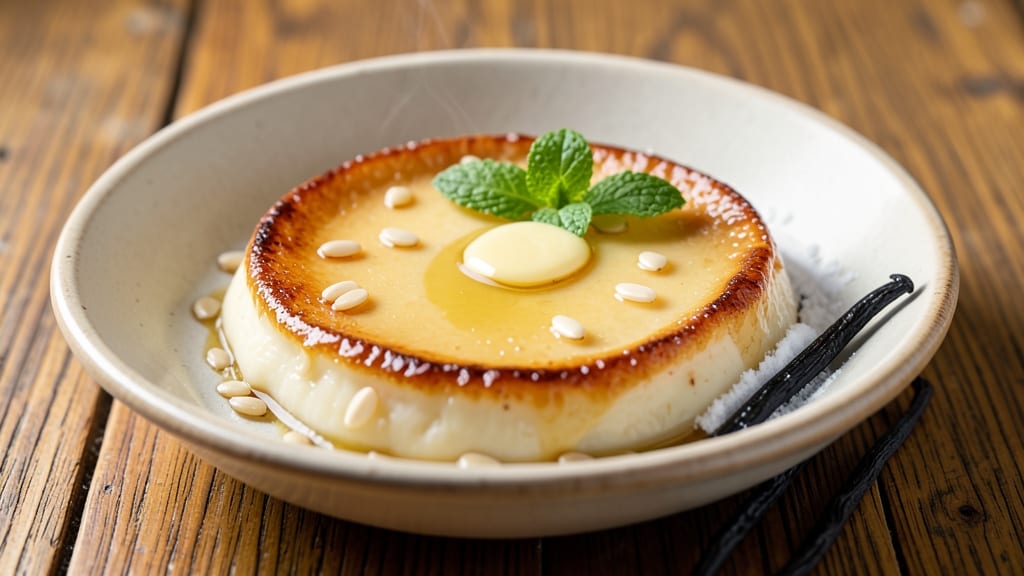
This Southern egg custard recipe delivers the creamy, velvety texture that’s been a Southern breakfast staple for generations. The secret lies in tempering the eggs properly and infusing that signature vanilla bean aroma—no shortcuts here, just old-school technique that transforms simple ingredients into something luxurious.
I’ve perfected this version over years of testing, ensuring every bite is silky smooth with just the right balance of sweetness and richness.
The magic happens when you whisk the eggs with sugar and vanilla until pale, then slowly incorporate the warm milk to prevent curdling.
Baking at a gentle temperature creates those signature swirls, while a sprinkle of cinnamon or nutmeg adds warmth that makes this custard feel like a hug in dessert form. This isn’t your average custard—it’s restaurant-quality, made in your own kitchen with just a few simple tools.
What you’ll end up with is a golden, jiggly custard that’s tender in the center and lightly set around the edges, perfect for serving warm with whipped cream or a dusting of powdered sugar.
The vanilla bean swirls cut through the creaminess, adding depth that makes this dish unforgettable. Whether you’re making it for a special brunch or a comforting weeknight treat, this recipe delivers every time.
For extra flair, top with fresh berries or a drizzle of caramel, but the real star is the custard itself—creamy, dreamy, and impossible to resist. Let’s get started on creating your own Southern classic.
Ingredients for southern egg custard
Simple ingredients that transform into restaurant-quality Southern custard with vanilla swirls.
| Ingredient | Amount | Notes |
|---|---|---|
| Large Eggs 🥚 | 6 whole | Room temperature for best results |
| Granulated Sugar 🍚 | 1 cup | White or light brown preferred |
| Vanilla Bean 🌿 | 1 whole | Scraped seeds and pod for aroma |
| Whole Milk 🥛 | 2 cups | Warm to 160°F before using |
| All-Purpose Flour 🌾 | 2 tbsp | For thickening custard base |
| Unsalted Butter 🧈 | ½ cup | Cubed, for swirls and richness |
| Ground Cinnamon 🌶️ | ½ tsp | For warm Southern flavor |
| Ground Nutmeg 🌶️ | ¼ tsp | Freshly grated preferred |
| Salt 🧂 | ¼ tsp | Kosher or sea salt |
| Powdered Sugar 🍚 | 2 tbsp | For dusting finished custard |
| Heavy Whipping Cream 🥛 | ½ cup | Optional, for serving |
| Fresh Berries 🍓 | 1 cup | Optional garnish |
The vanilla bean is non-negotiable here—nothing compares to real vanilla. Grab a whole bean from Trader Joe's or Williams Sonoma; their quality is unmatched. If you're using a pod, scrape the seeds and save the pod for infusing milk or sugar later. The eggs should be fresh but room temperature—cold eggs can cause curdling. For the milk, warm it gently on the stove until just steaming (160°F)—this prevents lumps when mixed with eggs. I always use whole milk for creaminess, but 2% works in a pinch.
No vanilla bean? Vanilla extract at double the amount works, but you'll miss the depth. Short on butter? Coconut oil or extra milk can replace half, though texture will differ slightly. The flour is key for preventing curdling—don't skip it. For a quicker version, use instant vanilla pudding mix (reduce sugar by 2 tbsp), but trust me, the homemade version is worth the extra whisking. The cinnamon and nutmeg? Freshly ground is ideal, but pre-ground works fine if labeled 'pure'—avoid the 'flavored' blends.
This custard is best served fresh, but leftovers reheat beautifully in the microwave (30 seconds, covered). Store in an airtight container in the fridge for up to 4 days. For make-ahead prep, bake in ramekins, chill, then reheat gently. The butter swirls stay creamy if you press parchment over the custard before chilling. Freezes for 2 months—thaw overnight in the fridge. Top with whipped cream or berries right before serving to keep it looking perfect.
Why You'll Love This Recipe
- Five-Ingredient Magic: I swear by this list—eggs, sugar, vanilla, milk, and flour. That’s it. No fancy gadgets, no last-minute store runs. Just crack, whisk, and bake while you fold laundry or scroll through your phone.
- Vanilla Kiss: Between us, real vanilla bean makes this custard sing. That first scrape of the pod? Pure comfort. It’s not just dessert—it’s the kind of flavor that turns a simple bowl into something you’ll linger over with your morning coffee.
- Breakfast or Dessert: Honestly, I make this for both. Top it with berries for brunch or dust it with powdered sugar for a midnight treat. The same creamy, silky texture works every time—no rules, just flexibility.
- Leftovers That Don’t Suck: Unlike some custards that turn to rubber, this stays luscious for days. I’ll stash it in the fridge, slice it cold for lunch, or reheat it gently for a cozy snack. Zero waste, all reward.
Step-by-step instructions for Southern egg custard
Here's the straightforward method for creamy, silky Southern-style custard with perfect vanilla swirls.
Warm the Milk and Infuse with Vanilla
Pour the 2 cups whole milk into a saucepan and warm it over medium heat until it reaches 160°F—just before it starts to simmer. You'll see tiny bubbles forming at the edges and the milk will feel warm to the touch but not hot. While it warms, split the 1 whole vanilla bean lengthwise and scrape out the seeds using the back of a knife. Add both the seeds and the pod to the warm milk, stirring gently to release the aromatic oils. Let it steep for 5 minutes while you prepare the remaining ingredients. The milk should develop a subtle vanilla fragrance that fills your kitchen—this is your first clue that the infusion is working.
Here's the thing—don't let the milk boil. Once it reaches 160°F, remove it from heat immediately. Boiling milk can curdle your custard later, and we want silky smoothness, not lumps. Strain the milk through a fine-mesh sieve into a clean bowl to remove the vanilla pod, but keep the seeds for maximum flavor. The strained milk should smell rich and sweet, like a Southern summer morning.
Whisk Eggs, Sugar, and Dry Ingredients
In a separate large bowl, crack the 6 whole large eggs and separate the yolks from the whites. Discard the whites or save them for another use—we're using only yolks for that ultra-rich, velvety texture. Add the yolks to the bowl along with the 1 cup granulated sugar, 2 tbsp all-purpose flour, 0.5 tsp ground cinnamon, 0.25 tsp ground nutmeg, and 0.25 tsp salt. Whisk vigorously for 3-4 minutes until the mixture becomes pale yellow and thickens slightly. You're looking for a ribbony consistency—when you lift the whisk, the mixture should hold its shape for a moment before slowly dissolving back into the bowl.
This step is crucial because it ensures your custard will have that signature Southern thickness without being gluey. If the mixture feels too thin, whisk for another minute or two. The sugar should dissolve completely, and you shouldn't see any graininess. I like to dip my finger in the mixture and run it through—it should leave a clean line that slowly disappears, indicating proper emulsification.
Temper the Egg Mixture
Slowly pour about ½ cup of the warm vanilla-infused milk into the egg mixture while whisking constantly. This tempering process gradually raises the temperature of the eggs so they don't scramble when combined with the hot milk. After adding the first ½ cup, whisk for another 30 seconds until the mixture smooths out. Then, continue adding the remaining 1½ cups of warm milk in a steady stream, whisking continuously. The mixture should thicken noticeably as you add more milk—it will go from a thin liquid to a creamy, pudding-like consistency.
Real talk: Don't rush this step. If you add the hot milk too quickly, your custard will curdle, and you'll end up with scrambled eggs instead of silky custard. The mixture should feel warm to the touch but not hot. You're aiming for a temperature around 140°F—just warm enough to cook the eggs gently without shocking them. Here's a pro tip: If the custard starts to look grainy or lumpy, don't panic. Just keep whisking vigorously for another minute or two, and it should smooth out.
Cook the Custard on Low Heat
Return the tempered custard mixture to the saucepan and place it over low heat. Stir constantly with a wooden spoon or silicone spatula, scraping the bottom and sides of the pan to prevent any bits from browning. The custard will begin to thicken almost immediately—you'll see it go from a creamy liquid to a thicker, pudding-like consistency. Keep stirring until it reaches 170-175°F and coats the back of a spoon. This should take about 5-7 minutes. The custard is done when it's thick enough to leave a clean trail on the spoon and holds its shape when you lift it.
Here's where it gets fun—the swirls. Once the custard reaches 170°F, remove it from heat and let it cool slightly for 2 minutes. Then, cut the 0.5 cup unsalted butter into small cubes and gently fold them into the custard using a spatula. The butter should melt and create beautiful swirls as you fold. If the custard starts to thicken too much, add 1-2 tablespoons of the warm vanilla milk to loosen it slightly. The final texture should be smooth, thick, and luxurious—like a cloud you can eat.
Chill and Serve with Garnishes
Transfer the custard to serving glasses or ramekins and let it cool to room temperature. Then, cover with plastic wrap and refrigerate for at least 4 hours or until completely chilled. The custard should set into a firm, creamy texture with those gorgeous butter swirls visible throughout. While it chills, whip the 0.5 cup heavy whipping cream to soft peaks and set it aside. Just before serving, dust the tops of the custards with 2 tbsp powdered sugar and garnish with 1 cup fresh berries for a pop of color and freshness.
To serve, dollop a spoonful of the whipped cream on top of each custard and add a few berries for a beautiful presentation. The custard should be cool but not icy, with a silky mouthfeel that melts on your tongue. Each bite should deliver a perfect balance of sweet vanilla, warm spices, and rich butter—just like your grandma used to make. And if anyone asks for seconds, you'll know you've nailed it.
Pro Tips For Making Southern Egg Custard
- Whisk Eggs Cold: I learned this the hard way—cracking eggs straight into warm milk makes them cook unevenly, giving you lumpy custard. Whisk them in a separate bowl first, then slowly temper them with the milk over a double boiler. The temperature shock is what keeps things silky.
- Scrape the Vanilla: Don’t just dump in vanilla extract—split the bean, scrape out every last bit of those precious seeds, and toss the pod in too. The pod adds depth, and skipping the scraping means losing half the flavor. (Yes, even if you’re impatient like me.)
- Stop Before It Jiggles: Southern custard should set like a wobble, not a brick. When the center still quivers slightly (about 160°F internal temp), pull it out. Overcooking turns it rubbery, and no one wants that—trust the process.
- Prep the Dish: Butter the baking dish and sprinkle in a thin layer of sugar before pouring in the custard. The sugar caramelizes just enough to give the edges that classic Southern crunch without burning the custard. (Does it look weird? Yes. Does it work? Every single time.)
Serving suggestions for this recipe
Classic Brunch Pairings
Serve this custard alongside fluffy buttermilk biscuits or cornbread for a classic Southern brunch spread. The buttery richness of the biscuits contrasts beautifully with the custard's silky texture. I like to brush the biscuits with garlic-herb butter while warm—it adds a savory note that balances the sweetness.
For a lighter option, pair with fresh fruit salad (think peaches, berries, and mint) to cut through the richness. 🍓
Warm vs Cold Serving
This custard shines both warm and cold, depending on your mood. For a warm serving, gently reheat individual portions in the microwave for 30-45 seconds until just warm (never hot). Top with a scoop of vanilla ice cream for a decadent twist.
For a chilled version, serve straight from the fridge with a sprinkle of toasted pecans for crunch. I find the warm version feels extra comforting on crisp mornings, while the cold version is perfect for summer afternoons.
Coffee and Tea Pairings
A strong Southern-style coffee (like French press with chicory) or sweet tea enhances the custard's vanilla notes. For a lighter option, try Earl Grey tea—its bergamot flavor complements the custard's warmth.
I often make a caramel latte by blending the custard with steamed milk and a shot of espresso for an indulgent dessert-to-breakfast treat. The custard's sweetness balances the bitterness of coffee beautifully. ☕
Make-Ahead Serving Ideas
Prep custard 24 hours ahead and store in airtight containers. For a grazing board, arrange custard cups alongside sliced apples, cheddar cheese cubes, and honeycomb for a sweet-savory contrast.
Another idea: Layer chilled custard with grape jelly and cinnamon toast in a trifle dish for a no-bake dessert. I also love assembling mini custard cups in a muffin tin for easy portioning—great for parties or picnics. 🧁
Seasonal Garnishes
Spring: Top with strawberries and orange zest for a bright, citrusy contrast. Summer: Add blueberries and fresh basil for a refreshing touch. Fall: Sprinkle with cinnamon and chopped walnuts for a cozy vibe. Winter: Drizzle with maple syrup and a pinch of cardamom for warmth.
Pro tip: Save a few berries for garnish—adding them right before serving keeps them vibrant. The custard's vanilla flavor pairs perfectly with almost any fruit. 🍯
Dessert Upgrades
For an elegant touch, serve custard in mini mason jars with a whipped cream drizzle and a sprinkle of edible gold leaf. For a boozy twist, add 1 tbsp bourbon to the custard mixture while cooking—it deepens the vanilla flavor.
I also love pairing it with chocolate-dipped shortbread cookies for a dessert platter. The custard's creaminess makes it a perfect base for fruit compotes or caramel sauces too. 🍷
Nutrition facts
Frequently asked questions
Can I make this custard without a vanilla bean?
Yes, but the flavor won't be as rich. Use 2 teaspoons of pure vanilla extract instead of scraping a bean. For extra depth, add ½ teaspoon vanilla bean paste (found in baking sections). The custard will still taste delicious, just with slightly less complexity.
Why did my custard turn out grainy or lumpy?
This usually happens from overheating or adding hot milk too quickly. Always temper the eggs by slowly whisking in warm milk (never hot). If lumps appear, strain the custard through a fine-mesh sieve before baking. For extra insurance, whisk the egg mixture until it's pale yellow and ribbony before adding milk.
How do I know when the custard is fully cooked?
The custard is done when it reaches 170-175°F and coats the back of a spoon. It should thicken noticeably and leave a clean trail when you run your finger through it. If it's too thin, cook it for another 1-2 minutes while stirring constantly. Overcooking can make it dry, so keep an eye on it.
Can I make this custard in ramekins for individual servings?
Divide the custard mixture evenly among 4-6 ramekins (about ½ cup each). Bake at 325°F for 30-35 minutes until set but still slightly jiggly in the center. Chill for at least 2 hours before serving. This method is perfect for parties or make-ahead prep.
What's the best way to reheat leftover custard?
Reheat individual portions in the microwave for 30-45 seconds on medium power, stirring halfway. For a stovetop method, warm in a saucepan over low heat while stirring constantly until just warm (never hot). Avoid boiling—this can make the custard grainy. Serve immediately with whipped cream or fresh fruit.