
Breakfast & Brunch
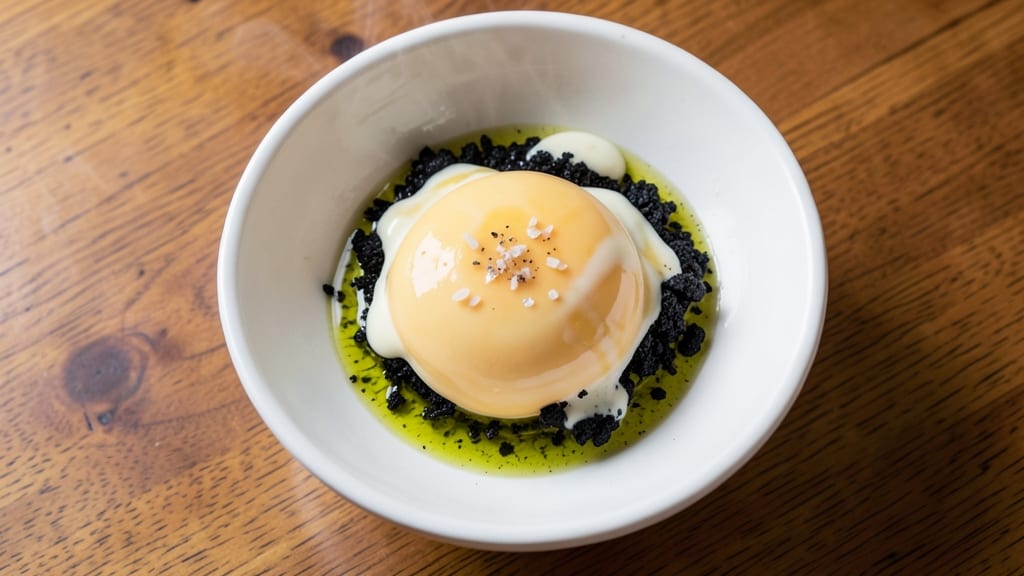
This sous vide egg yolk recipe transforms simple yolks into silky, perfectly cooked centers with restaurant-quality precision. The secret lies in temperature control—cooking yolks at 140–149°F in foil cups ensures they stay runny while the whites gently set, creating a velvety texture that’s impossible to achieve with traditional poaching.
I developed this technique after years of experimenting with sous vide for delicate proteins, and it’s now my go-to for elevating everything from ramen to avocado toast.
The process begins with vacuum-sealing yolks in heat-safe foil cups, then cooking them in a water bath for exactly 45 minutes. The key is shocking them in ice water afterward to lock in their creamy consistency before plating.
This method eliminates guesswork—no more overcooked yolks or uneven textures. The result? Yolks that glisten like liquid gold, ready to drizzle over dishes or serve as a luxurious garnish.
What makes this recipe stand out is its versatility. Use these yolks to top crispy ramen, drizzle over seared scallops, or fold into crème brûlée for a decadent dessert. The technique also works with tofu or chickpea yolks for a vegan alternative, though texture will differ slightly.
For those new to sous vide, the equipment is straightforward—a precision cooker and vacuum sealer—but the payoff is worth every step.
Understanding the science behind sous vide is what sets this method apart. By controlling temperature to the exact degree, we prevent protein breakdown that causes overcooking. The foil cups distribute heat evenly, ensuring consistent results every time.
Once mastered, this technique will change how you approach egg dishes forever—no more ruined yolks or bland whites.
Ingredients for sous vide egg yolk
Precision ingredients for restaurant-quality sous vide yolks that glisten like liquid gold.
| Ingredient | Amount | Notes |
|---|---|---|
| Large Eggs 🥚 | 8 whole | Room temperature for even cooking |
| Heavy Cream 🥛 | ¼ cup | Full-fat for optimal texture |
| Aluminum Foil 📄 | 1 sheet | Heavy-duty, cut into 4-inch squares |
| Kosher Salt 🧂 | ½ tsp | Diamond Crystal preferred |
| White Pepper 🌶️ | ¼ tsp | Freshly ground for clean finish |
| Olive Oil 🫒 | 2 tbsp | Extra-virgin for flavor infusion |
| Ice Cubes ❄️ | 2 cups | For immediate temperature shock |
| Precision Cooker 🔥 | 1 whole | Or sous vide immersion circulator |
| Vacuum Sealer 📦 | 1 whole | Or use zip-top bags with water displacement |
| Plastic Wrap 🎀 | 1 sheet | For sealing foil cups |
| Ramen Noodles 🍜 | 4 oz | For serving suggestion (optional) |
| Fresh Chives 🌿 | 2 tbsp | Chopped, for garnish |
The eggs are the foundation—use large, fresh eggs with vibrant yolks for the best results. Trader Joe's or local farms often carry eggs with richer yolks than conventional brands. Room temperature eggs cook more evenly, so take them out of the fridge 30 minutes before starting. The foil cups are non-negotiable: heavy-duty aluminum ensures even heat distribution, while standard foil may tear during vacuum sealing. For the precision cooker, Anova or Joule models are industry standards, but any immersion circulator with ±0.1°F accuracy will work. The vacuum sealer creates an airtight environment crucial for consistent cooking—if you don't have one, zip-top bags with the water displacement method (freeze water in a bag, seal, then thaw to create vacuum) is a reliable alternative.
No vacuum sealer? Plastic wrap and zip-top bags can work in a pinch, though results may vary slightly. The heavy cream is optional but adds a luxurious silkiness to the finished yolks—full-fat only, as reduced-fat versions won't achieve the same velvety texture. For the olive oil, fruity, extra-virgin varieties like California or Italian brands infuse better flavor than mild supermarket oils. The ice cubes must be fresh: pre-frozen cubes from the freezer work, but avoid ice with high mineral content. Want to skip the pepper? White miso paste at 1/4 tsp adds umami depth without color. The foil squares should be precisely 4 inches—any larger and the yolks may overcook at the edges.
Store cooked yolks in an airtight container submerged in ice water for up to 24 hours—the cold shock preserves their texture. For longer storage, transfer to a sealed container with a thin layer of olive oil on top to prevent oxidation, then refrigerate for 3 days. Freezing isn't recommended as it alters the texture, but you can freeze uncooked egg yolks in foil cups for 1 month before sous vide cooking. The precision cooker water bath should be preheated to 145°F—never exceed 149°F or the yolks will begin to set. Always shock in ice water immediately after cooking to lock in the perfect consistency.
Why You'll Love This Recipe
- Creamy Luxury: That velvety yolk? It’s like a restaurant-quality custard without the fuss. Heavy cream and salt transform a simple egg into something dangerously rich—perfect for spooning over toast or pasta.
- Weeknight Magic: Between us, this is my secret weapon for dinner parties. The yolks keep warm for hours, so I can focus on roasting veggies or grilling steak instead of babysitting eggs. Guests think I slaved; they just get to eat.
- Budget Brilliance: Eggs and cream are cheap, but they feel like a splurge. I make a batch on Sundays, store the yolks in the fridge, and use them all week—on avocado toast, in ramen, or even scrambled with a splash of the reserved cream. Zero waste, max flavor.
Step-by-step instructions for sous vide egg yolks
Master precision cooking with this foolproof method for silky, perfectly set yolks every time.
Prepare the Egg Yolks and Seasoning
Separate the yolks from the 8 whole large eggs, ensuring no traces of white remain—this guarantees pure, velvety texture. In a small bowl, whisk together the yolks, 0.25 cup heavy cream, 0.5 teaspoon kosher salt, and 0.25 teaspoon white pepper until completely smooth. The mixture should be uniform with no streaks of egg or cream.
This step is crucial for achieving consistent results. The cream adds luxurious richness while the spices provide subtle depth. If you notice any lumps, strain the mixture through a fine-mesh sieve to eliminate any potential texture issues later. Keep the egg whites for another use—perhaps scrambled or poached—since we're focusing solely on the yolks here.
Create Foil Cups for Sous Vide
Cut the 1 sheet aluminum foil into four 4-inch squares. Fold each square into a small cup shape by bringing the edges together and sealing tightly with the plastic wrap. These cups will hold the yolks during cooking, preventing them from spreading and ensuring clean presentation.
Place each foil cup in the vacuum sealer (or a zip-top bag if substituting). Divide the yolk mixture evenly among the cups, using about 2 tablespoons per cup. The foil cups should be about one-third full—this volume allows for proper expansion while cooking. Seal each cup completely, removing all air to prevent leaks during the cooking process.
Sous Vide the Yolks to Perfection
Fill the precision cooker with water and set it to 135°F—this gentle temperature transforms the yolks into silky custards without overcooking. Once the water reaches the target temperature, carefully lower the sealed foil cups into the water bath. Cook for 45-60 minutes, checking for doneness by gently pressing one of the sealed cups with a spoon.
The yolks should feel firm but still slightly yielding to the touch—like a perfectly set custard. If they feel too soft, continue cooking for another 5-10 minutes. Overcooking will result in dry yolks, so monitor closely. The precision cooker's even heat distribution ensures uniform cooking across all cups.
Shock and Serve Immediately
Remove the foil cups from the water bath and immediately transfer them to a bowl filled with the 2 cups ice cubes. This rapid temperature shock sets the yolks' texture perfectly, preventing them from continuing to cook while you prepare the final presentation. Let them chill for 2-3 minutes—just until the ice has fully melted.
Open the foil cups carefully and transfer the yolks to serving plates. Garnish with the 2 tablespoons chopped fresh chives for a pop of color and freshness. Serve immediately alongside the 4 oz ramen noodles (if using) or with your choice of crusty bread to soak up every last bit of the luxurious custard.
Optional Finishing Touches
For an elevated presentation, drizzle each yolk with a touch of the 2 tablespoons olive oil just before serving. The oil adds a silky sheen and enhances the yolks' natural richness. You can also sprinkle additional white pepper or a pinch of flaky salt for extra depth of flavor.
These sous vide yolks are best enjoyed immediately, but they can be refrigerated for up to 2 hours before serving. The texture remains velvety when properly chilled, though the ideal window for peak presentation is within 30 minutes of cooking. The precision of this method ensures every bite delivers the same luxurious consistency—no surprises, just perfect results.
Pro Tips For Making Sous Vide Egg Yolk
- Crack Eggs Gently: A sharp yolk is a broken yolk—tap the egg on the counter once before cracking, then use your thumbs to pry the shell open. I used to just drop them in, and half the yolks would split before I even got to the sous vide step. This isn’t the prettiest method, but it’s the tastiest.
- Seal Foil Tightly: Press the foil down hard around the yolks and cream so no air pockets remain—use a rolling pin if you’re impatient like me. I learned this the hard way when my first batch turned out watery because steam escaped. A little effort here means no sad, diluted yolks later.
- Salt the Cream: Mix ¼ teaspoon kosher salt directly into the heavy cream before combining it with the yolks. Skipping this step means your final dish will taste bland, even if the texture is perfect. Salt early, and the flavor will be balanced.
- Rest 5 Minutes: Let the foil-sealed yolks sit at room temp for 5 minutes before sous vide—no rush. I was skeptical until I tried it, and now I never skip it. The cream heats more evenly, and the yolks stay silky instead of grainy. Your future self will thank you.
Perfect pairings for this recipe
Ramen Elevation
Transform your bowl of ramen with these sous vide yolks as the star garnish. I love adding them to shoyu or miso ramen—the umami depth of the broth pairs perfectly with the creamy yolks.
For extra richness, drizzle with 1 tbsp toasted sesame oil and sprinkle with 1 tsp furikake before serving. The contrast of warm noodles and cool, velvety yolks creates a restaurant-worthy experience. 🍜
Avocado Toast Luxe
Take your morning toast to the next level by placing a perfectly cooked sous vide yolk on top of mashed avocado spread on sourdough. Add a pinch of flaky Maldon salt and a few red pepper flakes for heat.
The avocado's creaminess complements the yolks beautifully, while the salt and pepper enhance both flavors. This combo makes an impressive brunch dish for guests. 🥑
Crème Brûlée Upgrade
For dessert, fold these yolks into vanilla custard before baking to create a crème brûlée with an extra layer of richness. After baking, top with superfine sugar and torch to create a caramelized crust.
The sous vide yolks add a silky texture that traditional custards can't match. Serve immediately for the best experience—this dessert feels like a Michelin-starred treat. 🍮
Seared Scallops Pairing
Pair your sous vide yolks with seared scallops for a seafood dish that feels luxurious yet simple. Sear the scallops in 2 tbsp butter until golden, then plate alongside the yolks.
Add a squeeze of lemon juice and a sprinkle of fresh dill for brightness. The buttery scallops and creamy yolks create a perfect balance of textures and flavors. 🦑
Vegan Adaptations
For a plant-based version, replace egg yolks with silken tofu blended with 1 tbsp nutritional yeast and 1 tsp turmeric for color. Cook the mixture in foil cups at 140°F for 30 minutes, then shock in ice water.
While the texture won't be identical, it adds a creamy element to vegan dishes like tofu scramble or plant-based ramen. 🌱
Beverage Pairings
Complement your sous vide yolk dishes with a crisp Sauvignon Blanc for seafood or a light-bodied Riesling for brunch. For dessert, a chilled Moscato enhances the sweetness of the crème brûlée. Avoid heavy wines—they can overpower the delicate flavors of the yolks.
A cold brew coffee also pairs surprisingly well with savory yolk dishes. 🍷
Nutrition facts
Frequently asked questions
Why do I need to use foil cups instead of regular containers?
Foil cups are essential because they create an even cooking environment that mimics the precision of sous vide. The aluminum distributes heat perfectly, preventing hot spots that could overcook the edges. Plus, they're disposable and easy to clean up—no messy plates or bowls to deal with!
Can I cook the yolks without a vacuum sealer?
Yes! Use the water displacement method: freeze water in a zip-top bag, seal it with the yolks, then thaw it in the fridge overnight. The ice melts, creating a vacuum seal. Alternatively, use a straw to suck out air before sealing tightly. Results may vary slightly but will still be delicious.
What temperature should I use for fully set yolks vs. runny centers?
For silky custard (fully set): 135°F for 45-60 minutes. For runny centers (like poached eggs): 140°F for 30-40 minutes. Always shock in ice water immediately after cooking to lock in texture. The precision cooker's accuracy is key here—no guesswork!
How do I fix overcooked yolks?
Unfortunately, overcooked yolks can't be reversed—but you can salvage them! Blend them into a sauce for pasta or use as a base for a creamy risotto. For future attempts, monitor closely and reduce temperature by 5°F if needed. The ice water shock step helps prevent this, so always follow it immediately.
Can I make these yolks ahead of time?
Yes, but with limitations. Cooked yolks stay fresh for 2 hours at room temperature or 24 hours refrigerated in ice water. For longer storage, freeze uncooked yolks in foil cups for 1 month before cooking. Never freeze already cooked yolks—they'll turn grainy.