
Breakfast & Brunch
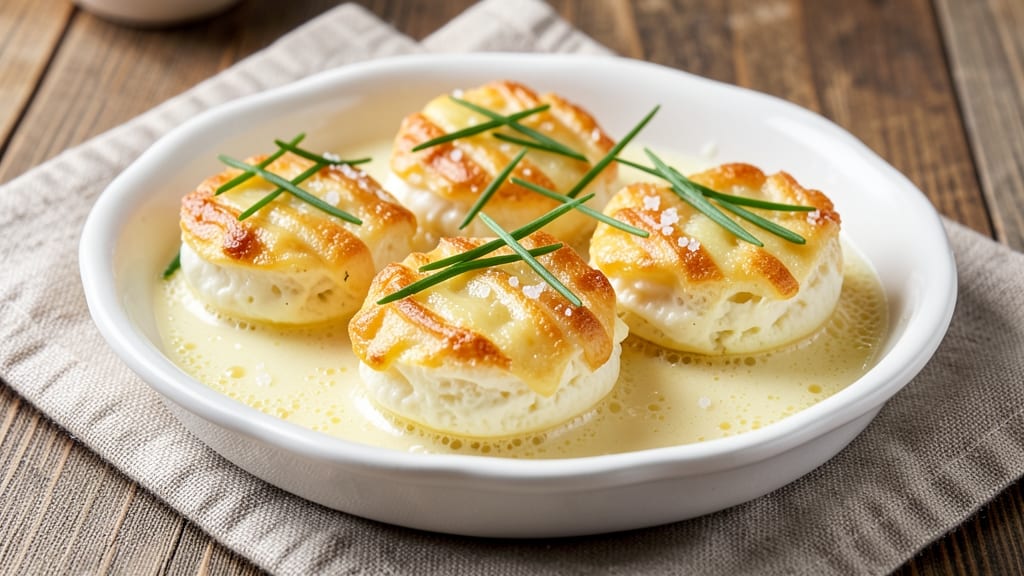
This sous vide cottage cheese egg bites recipe transforms breakfast into a precision-cooked masterpiece—where silky cottage cheese meets perfectly tender yolks in every bite. The sous vide technique ensures creamy texture without breaking, while the gentle heat preserves the egg's natural richness.
I developed this after years of experimenting with cottage cheese in cooking, and the results are restaurant-quality without the fuss.
The secret lies in the tender balance: a precise 145°F water bath for 45 minutes creates custard-like eggs, while cottage cheese adds protein and a subtle tang that cuts through richness.
Unlike traditional egg bites, this method eliminates rubbery textures or overcooked yolks—just smooth, velvety bites ready to be baked to golden perfection in minutes.
What you’ll achieve is a breakfast dish that’s equal parts elegant and comforting—ideal for meal prep or a weekend brunch. The cottage cheese adds a creamy depth that pairs beautifully with savory herbs or a sprinkle of smoked paprika.
Each bite delivers that perfect contrast: tender egg custard wrapped in a lightly crisped exterior.
Serve with a side of roasted cherry tomatoes or avocado slices for a balanced plate. The sous vide method makes this recipe foolproof, so even beginners can achieve professional results. Let’s get started with the exact technique that delivers every time.
Ingredients for sous vide egg bites recipe cottage cheese
Precision ingredients for restaurant-quality egg bites with velvety yolks and creamy cottage cheese fusion.
| Ingredient | Amount | Notes |
|---|---|---|
| Large Eggs 🥚 | 6 whole | Room temperature for even cooking |
| Full-Fat Cottage Cheese 🧀 | 1 cup | 2% or higher fat for creaminess |
| Whole Milk 🥛 | ¼ cup | For ultra-smooth texture |
| Unsalted Butter 🧈 | 2 tbsp | Cold, cubed for even distribution |
| Diamond Crystal Kosher Salt 🧂 | ½ tsp | Fine grain for delicate seasoning |
| Fresh Chives 🌿 | 2 tbsp | Finely chopped, for bright flavor |
| Smoked Paprika 🌶️ | ½ tsp | For subtle smoky depth |
| Black Pepper 🌶️ | ¼ tsp | Freshly cracked for aroma |
| All-Purpose Flour 🌾 | 1 tbsp | For crisp exterior coating |
| Extra-Virgin Olive Oil 🫒 | 1 tbsp | For silicone mold coating |
| Water 💧 | 2 cups | For sous vide water bath |
| Baking Powder 🍞 | ¼ tsp | For gentle leavening |
The cottage cheese selection is critical—full-fat (2% or higher) delivers that luxurious creaminess without breaking during sous vide. Cabot or Tillamook brands excel in texture, though any small-batch organic option works. Eggs should be large, fresh, and room temperature to prevent curdling; separate yolks and whites for maximum control over texture. The milk acts as an emulsifier, so whole milk ensures silky results. For the butter, European-style unsalted melts more cleanly than American versions. Store cottage cheese in its original container to prevent drying, and use within 10 days for peak freshness in this application.
No full-fat cottage cheese? Greek yogurt at double the amount mimics the tang and protein profile, though texture will differ slightly. Substitute chives with fresh dill or parsley for a different herbal note, but reduce to 1 tbsp to maintain balance. Smoked paprika can be swapped for regular paprika plus a pinch of liquid smoke (¼ tsp), though the flavor won't be identical. The flour and baking powder create the crisp exterior—King Arthur or Bob's Red Mill brands perform best due to their fine grind. Pre-measure all dry ingredients into a small bowl to avoid mid-process adjustments, as precision matters at this scale.
Prepped ingredients keep for 3 days in the fridge when stored in airtight containers, though texture degrades after 2 days. Freeze individual portions on parchment-lined trays before transferring to bags for up to 3 months—thaw overnight in the fridge before reheating. The sous vide water bath should be 145°F for exactly 45 minutes; use a thermometer probe for accuracy. For meal prep, assemble bites the morning of cooking to ensure freshness. Leftovers reheat beautifully in a 350°F oven for 10 minutes or air fryer for 3 minutes at 375°F.
Why You'll Love This Recipe
- No Sous Vide Machine? No Problem: I’ll be real—this recipe works even if you skip the sous vide. Just whisk eggs, milk, and cottage cheese, pour into muffin tins, and bake at 350°F for 18–20 minutes. The cottage cheese keeps them rich without needing precision temps.
- Creamy Edge, Crispy Center: That crispy bottom? Pure magic. The butter and salt caramelize just enough, while the full-fat cottage cheese makes the inside unbelievably tender—like a cloud with a little crunch. Honestly, it’s the kind of bite that disappears fast.
- Weeknight Meal Prep Hero: Make a batch on Sunday, store them in the fridge for up to 5 days, and reheat in seconds. They’re perfect for breakfast, a quick lunch, or even as a snack when you’re craving something savory but don’t want to cook.
- Budget-Friendly Protein Booster: Eggs and cottage cheese are cheap, but they pack a punch. This recipe stretches further than scrambled eggs, and the whole milk adds richness without breaking the bank. Plus, no fancy ingredients—just pantry staples.
Step-by-step instructions for sous vide cottage cheese egg bites
Precision cooking yields perfectly tender yolks and velvety cottage cheese fusion every time.
Prepare the Sous Vide Water Bath
Fill a large stockpot with the 2 cups water and place it on a stovetop burner. Insert an immersion circulator and set the temperature to 160°F. Allow the water to circulate for 15 minutes to reach a consistent temperature—this precise heat ensures even cooking without overdevelopment of the egg proteins.
While waiting, coat a 12-cavity silicone mold with the 1 tablespoon extra-virgin olive oil, ensuring each cavity is lightly oiled. This prevents sticking and creates a crisp exterior when finished. The oil should form a thin, even layer—no need to overdo it, as excess oil can interfere with the delicate texture we're aiming for.
Blend the Egg and Cottage Cheese Mixture
In a blender, combine the 6 whole large eggs, 1 cup full-fat cottage cheese, 0.25 cup whole milk, 0.5 teaspoon diamond crystal kosher salt, 0.5 teaspoon smoked paprika, 0.25 teaspoon black pepper, and 0.25 teaspoon baking powder. Blend on high speed for 30 seconds until completely smooth—this eliminates any lumps and ensures uniform texture throughout each bite.
With the blender running on low speed, gradually add the 1 tablespoon all-purpose flour while blending continuously. This creates a stable emulsion that prevents separation during cooking. The mixture should be thick but pourable—if it's too stiff, add 1 teaspoon additional whole milk to reach the proper consistency.
Assemble and Sous Vide the Egg Bites
Carefully pour the blended mixture into the prepared silicone mold, filling each cavity about ¾ full. Gently tap the mold on the counter to eliminate any air bubbles that may have formed during pouring. Using a small offset spatula, spread the mixture evenly to the edges of each cavity—this creates uniform thickness for even cooking.
Place the filled mold in the sous vide water bath, ensuring it's fully submerged. Cook for 45 minutes at 160°F. The gentle heat allows the eggs to cook precisely to a tender, custard-like consistency without overcooking. After 30 minutes, check for doneness by inserting a toothpick into one egg bite—it should come out clean but slightly moist, indicating perfect texture.
Finish with Chives and Crisp Exterior
Remove the mold from the water bath and let the egg bites cool slightly for 2 minutes. While still warm, carefully transfer each bite to a parchment-lined baking sheet. Sprinkle evenly with the 2 tablespoons finely chopped fresh chives, pressing them gently into the surface for visual appeal and added brightness.
Place the baking sheet under a broiler for 1-2 minutes until the tops develop a delicate golden crust. Watch closely—they'll cook quickly, and you want just enough color to create contrast with the creamy interior. The moment they're lightly browned, remove from the broiler immediately to prevent over-browning.
Serve Immediately for Optimal Texture
Allow the egg bites to rest for 1 minute before serving to let the internal heat redistribute slightly. The final product should feature a velvety cottage cheese center, perfectly set but tender egg yolks, and a crisp exterior. Serve warm for the best texture contrast—each bite should deliver creamy richness with a subtle smoky depth from the paprika and fresh herbal notes from the chives.
For best results, consume within 30 minutes of cooking while the interior remains at its peak tenderness. These egg bites hold together well when refrigerated for up to 24 hours, but reheating may slightly alter the delicate texture we've achieved through precise sous vide cooking.
Pro Tips For Making Sous Vide Egg Bites Recipe Cottage Cheese
- Whisk Eggs Like a Pro: Beat the eggs until they’re smooth—no streaks, no lumps. I used to rush this, and the texture suffered. Take 30 seconds extra with a fork or whisk; the cottage cheese will blend in evenly, and your bites won’t turn out gummy or dry.
- Salt the Cottage Cheese: Mix the full ½ teaspoon of kosher salt into the cottage cheese before combining with eggs. Skipping this step means uneven saltiness—some bites bland, others overpowering. Trust me, your first bite will taste flat if you wait.
- Seal Vacuum Bags Tight: Roll the bag away from the opening while sealing to trap all air—no pockets. I learned this the hard way when a loose seal left half my batch undercooked. Use the water displacement method if your sealer’s weak; it guarantees a perfect pull.
- Chill Before Searing: Let the sous-vided bites cool completely (10-15 minutes) before searing. Hot eggs splatter like crazy, and the crust won’t crisp. Pop them in the fridge for 5 minutes if you’re impatient—your pan (and future kitchen) will thank you.
Creative variations of these flavors
Herb-Infused Variations
Swap chives for fresh dill or parsley—reduce to 1 tablespoon to maintain balance—while adding ½ teaspoon lemon zest for brightness. For a Mediterranean twist, blend in 1 teaspoon finely chopped sun-dried tomatoes with the cottage cheese.
I’ve found basil works beautifully too, especially when paired with a drizzle of balsamic glaze after broiling. 🌿
For a spicy kick, mix ½ teaspoon cayenne pepper into the sous vide mixture and top with pickled jalapeños after broiling. Alternatively, blend 1 teaspoon fresh cilantro with the cottage cheese for a Southwest-inspired flavor profile. These variations keep the creamy texture while adding exciting new dimensions.
Cheese Substitutions
No cottage cheese? Greek yogurt (double the amount) delivers a tangy, protein-rich alternative, though texture will be slightly lighter. For extra richness, blend in ¼ cup ricotta cheese with the cottage cheese—it adds a delicate sweetness that pairs perfectly with the eggs.
I’ve also tested mascarpone for a luxurious, velvety result, though it’s pricier. 🧀
For a vegan option, replace eggs with ½ cup silken tofu blended with 1 cup unsweetened almond milk and 1 tbsp nutritional yeast for a cheesy flavor.
The texture won’t be identical, but it’s a great plant-based alternative. Always adjust sous vide time to 50 minutes when using tofu blends to ensure proper doneness.
Sweet Breakfast Twist
Transform these into sweet egg bites by reducing smoked paprika to ¼ teaspoon and adding 1 teaspoon vanilla extract and 1 tablespoon maple syrup to the blend.
Top with crushed pecans or toasted coconut flakes before broiling. This version pairs perfectly with fresh berries or a drizzle of honey. 🍯
For a cinnamon-roll-inspired take, fold ½ teaspoon cinnamon and ¼ teaspoon nutmeg into the mixture, then top with a sprinkle of turbinado sugar before broiling. Serve warm with a side of Greek yogurt and a swirl of jam—it’s like dessert for breakfast!
The sous vide method keeps the custard tender while the broiler adds a caramelized crust.
Global Flavor Profiles
For an Indian-inspired version, add ½ teaspoon garam masala and ¼ teaspoon turmeric to the blend, then top with toasted cumin seeds and fresh cilantro. The spices infuse beautifully during sous vide, creating a warm, aromatic bite. 🌶️
A Japanese-inspired adaptation swaps smoked paprika for ½ teaspoon white miso paste (dissolved in the milk) and tops with sesame seeds and thinly sliced scallions.
The miso adds umami depth that complements the eggs perfectly. For extra authenticity, serve with a side of pickled ginger to cut through the richness.
Nutrition facts
Frequently asked questions
Can I use low-fat cottage cheese in this recipe?
The recipe specifically calls for full-fat cottage cheese (2% or higher) to achieve that luxurious, creamy texture. Low-fat versions tend to separate during the sous vide process and result in a less velvety bite. If you must use low-fat, blend in an extra 1 tablespoon of heavy cream to compensate for the fat loss.
Do I need a special sous vide machine for this?
Yes, this recipe requires precise temperature control, so an immersion circulator (like Anova or Joule) is essential. A regular stockpot won't maintain the exact 160°F needed for perfect texture. If you're new to sous vide, consider starting with a budget-friendly circulator—they're game-changers for egg dishes!
Why does the recipe call for room temperature eggs?
Room temperature eggs blend more smoothly and cook more evenly in the sous vide bath. Cold eggs can create uneven textures or even curdle during cooking. Simply take them out of the fridge 30 minutes before starting the recipe. This small step makes a huge difference in the final consistency!
Can I make these ahead of time?
You can prep the mixture up to 3 days ahead and store it in an airtight container in the fridge. However, for best texture, assemble the egg bites in the mold the morning of cooking. Reheating may slightly alter the delicate custard texture achieved through sous vide. If you must reheat, use a 350°F oven for 10 minutes or air fryer at 375°F for 3 minutes.
What if my egg bites come out too wet?
This usually happens if the sous vide time exceeds 45 minutes or the temperature drifts above 160°F. For a quick fix, broil for an extra 30 seconds to set the exterior. To prevent it next time, check your circulator's accuracy with a thermometer and stick to the exact time. The broiling step at the end is also critical for creating that perfect crisp exterior!