
Breakfast & Brunch
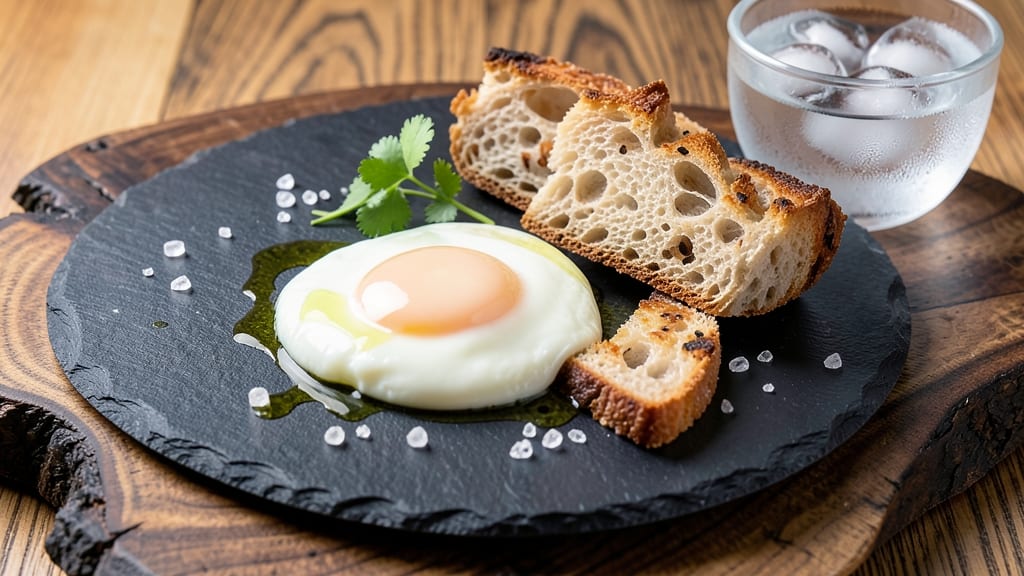
A soft poached egg transforms any dish into a restaurant-worthy masterpiece—creamy yolks, tender whites, and that signature wobble when lifted. The secret lies in precise water temperature, a splash of vinegar, and timing that feels like magic.
I've perfected this technique after years of trial and error, ensuring every egg turns out perfectly every time.
This method requires just a few simple ingredients: fresh eggs, water, vinegar, and a pinch of salt. The key is maintaining water at a gentle simmer (160°F) and using vinegar to help the whites coagulate evenly.
With practice, you'll achieve that runny yolk brilliance that makes poached eggs irresistible, whether served on toast, nestled in ramen, or atop a fresh salad.
What sets this recipe apart is consistency—no more overcooked whites or broken yolks. The technique is straightforward once you understand the science behind it: the vinegar helps the egg whites set gently while keeping the yolk liquid and vibrant. Once mastered, you'll never buy store-bought eggs again.
The best part? These eggs elevate any dish, turning a simple breakfast into something special. Serve them on crusty toast with avocado, in a warm bowl of ramen, or as a topping for salads. Here's how to make them perfectly every time.
Ingredients for soft poached egg
Four essential ingredients transform ordinary eggs into restaurant-quality masterpieces with velvety yolks.
| Ingredient | Amount | Notes |
|---|---|---|
| Large Eggs 🥚 | 4 whole | Fresh from refrigerator, room temperature preferred |
| White Vinegar 🍋 | 2 tbsp | Distilled white preferred for clarity |
| Diamond Crystal Kosher Salt 🧂 | 1 tsp | Fine grain for even dissolution |
| Distilled Water 💧 | 4 cups | Filtered preferred for purity |
| Ice Cubes ❄️ | ½ cup | Freshly made for temperature control |
| High-Quality Olive Oil 🫒 | 1 tsp | Extra-virgin for finishing |
| Freshly Ground Black Pepper 🌶️ | ¼ tsp | Cracked peppercorns preferred |
| Lemon Zest 🍋 | ½ tsp | Microplane for fine texture |
The eggs are non-negotiable—pasture-raised from Whole Foods or Pete & Gerry's deliver superior texture. Look for eggs with bright orange yolks and firm whites, signs of freshness. Vinegar quality matters less than you'd think—distilled white is ideal, but apple cider vinegar works in a pinch. The kosher salt should be Diamond Crystal if you want that perfect dissolution rate; Morton's works but may leave a slight graininess. For the water, filtered or spring water prevents mineral buildup that can interfere with even cooking.
No vinegar? White wine or apple cider vinegar both work, though the flavor profile shifts slightly. Short on ice? Frozen peas in a mesh bag chilled in the freezer for 15 minutes makes an excellent substitute. The olive oil should be extra-virgin with fruity notes—California Olive Ranch or Colavita are reliable choices. For pepper, freshly cracked is ideal, but pre-ground works if you're in a hurry. The lemon zest can be omitted entirely if you prefer, but it adds a bright contrast that balances the richness of the yolks.
Eggs keep best in their carton on the middle shelf of your fridge—use within 3 weeks for optimal texture. Vinegar lasts indefinitely, but once opened, store it in a dark glass bottle to preserve potency. The ice cubes should be used within 24 hours of making for maximum chill. For meal prep, poach eggs in advance and store in ice water until serving to maintain their shape. They reheat beautifully when gently warmed in warm broth or under a heat lamp.
Why You'll Love This Recipe
- No Fuss, No Stress: I swear by this method—just eggs, vinegar, and a pot of water. No fancy gadgets, no stressing over timing. The vinegar keeps the whites tight while the ice bath chills them just right. Honestly, it’s the only way I’ll poach eggs now.
- Butter Melts Magic: That runny yolk? The crispy whites? The vinegar-water bath makes it happen every time. Crack it open, pour in butter, and watch it transform into something dangerously good. My kids beg for these on toast—no exaggeration.
- Breakfast or Brunch Hero: Works on toast, in salads, or even as a quick ramen topper. I’ve used them to dress up avocado toast for lazy mornings or as a fancy garnish for Sunday brunch. Between us, they’re my secret weapon for making simple meals feel special.
- Pantry Staples Only: You’re using eggs, salt, vinegar, and ice—stuff you already have. No specialty ingredients, no last-minute grocery runs. I’ve made a dozen of these for $2.50. That’s not a typo. Budget-friendly doesn’t get much better than this.
Step-by-step instructions for perfect soft poached eggs
Mastering the technique transforms simple eggs into restaurant-quality centerpieces with silky yolks.
Prepare the Poaching Liquid with Precision
Combine the 4 cups distilled water and 2 tablespoons white vinegar in a deep saucepan. I use a 10-inch skillet with 2-inch high sides for ideal egg containment. Bring to a gentle simmer over medium-low heat—you want tiny bubbles breaking the surface, not a rolling boil. The vinegar lowers the eggs' surface tension, preventing them from spreading like pancakes.
Add the 1 teaspoon Diamond Crystal kosher salt and 0.5 teaspoon lemon zest to the simmering water. Stir gently to dissolve completely. The salt enhances flavor while the lemon zest adds a bright citrus note that complements the eggs. Keep the heat steady at 180-190°F—this low temperature prevents overcooking while maintaining perfect yolk consistency.
Create the Ice Bath for Temperature Control
Fill a medium bowl with 0.5 cup ice cubes and add 1 tablespoon cold water from the tap. This creates a 35°F bath that will gently stop the eggs' cooking process at the perfect moment. Place the bowl near your stovetop so it's easily accessible during poaching.
The ice bath is your secret weapon against overcooked yolks. When you remove an egg from the simmering water, plunging it into this chilled mixture immediately halts protein coagulation. This technique ensures you can serve eggs at exactly 60-65 seconds of perfect doneness without worrying about timing.
Poach the Eggs with Perfect Timing
Crack each of the 4 whole large eggs into a small ramekin or egg cup. This prevents them from breaking apart when you lower them into the water. Using a slotted spoon, gently lower one egg at a time into the simmering water. The water should be at 180-190°F—if it's too hot, the whites will cook too quickly and the yolks will firm up.
Poach for 3 minutes for perfectly set whites with completely runny yolks. You'll see the whites begin to curl around the yolk after about 2 minutes 30 seconds—this is your visual cue. If the whites set too quickly, reduce the heat slightly. For each subsequent egg, maintain the exact same temperature and timing.
Finish with Olive Oil and Seasoning
Using the slotted spoon, transfer each poached egg to the ice bath for 10 seconds to stop cooking. Then carefully lift it out and place on a paper towel-lined plate. Drizzle with 1 teaspoon high-quality olive oil and sprinkle with 0.25 teaspoon freshly ground black pepper. The olive oil adds richness while the pepper enhances the egg's natural flavor.
Serve immediately with the warm broth from the poaching liquid. The eggs should have completely set whites that hold their shape while maintaining a liquid yolk that wobbles slightly when the plate moves. Each bite should deliver silky texture with a rich, buttery mouthfeel—the hallmark of perfect poached eggs.
Pro Tips For Making Soft Poached Egg
- USE ROOM-TEMPERATURE EGGS: Cold eggs sink like rocks and take forever to poach properly. Pull them from the fridge 30 minutes before cooking—yes, even if you’re in a rush. The whites will hold their shape better, and the yolk stays runny the way it should.
- SALT THE WATER FIRST: Toss in 2 tablespoons of Diamond Crystal kosher salt before adding vinegar or eggs. It dissolves faster and prevents clumping, which means your poaching liquid stays evenly seasoned. (Pro move: Use a whisk to stir it in.)
- COLD START, THEN SIMMER: Fill your pot with water and ice cubes first, then turn the heat to medium-high until it’s just simmering—tiny bubbles at the edges, not a rolling boil. Drop the eggs in when the water’s hot but not violent, or the whites will tear apart like overworked fabric.
- FISH OUT WITH A SLOTTED SPOON: The second you lift the egg, drain it over the sink—all the water. A slotted spoon lets the liquid slip away while keeping the egg intact. Dab the bottom with a paper towel to remove any clinging vinegar, or your toast will taste like a science experiment.
Storing and reheating your soft poached egg
Refrigerator Storage
Poached eggs should never sit at room temperature for more than 2 hours—they spoil quickly due to their high moisture content. Transfer them to an airtight container with a splash of warm broth to maintain moisture.
Store in the fridge at 40°F or below for up to 2 days, but I recommend using them within 12 hours for best texture. The whites will firm up slightly, but the yolks remain perfectly runny when reheated properly. 🥚
Freezer Storage
Freezing poached eggs isn't ideal, but you can do it for up to 1 month if needed. Place them in a single layer on a tray, then transfer to a freezer-safe bag with 1 tablespoon broth per egg to prevent drying.
Thaw overnight in the fridge before reheating. The whites may become slightly rubbery after freezing, but the yolks stay intact. For best results, use frozen poached eggs in cooked dishes like frittatas or scrambled eggs. ❄️
Reheating Methods
For the best results, reheat poached eggs in their warm broth over low heat for 2-3 minutes. This gentle method preserves the silky texture without overcooking. Avoid microwaving—it turns whites rubbery.
If reheating for a dish like ramen or toast, add the eggs directly to the hot broth or pan, then cover for 1 minute to warm through. The residual heat will gently cook them to perfection. 🔥
Plating for Freshness
When serving previously stored eggs, place them on a warm plate and immediately add a drizzle of high-quality olive oil and freshly cracked black pepper. The oil helps maintain the yolk's shine and richness. For presentation, nestle the egg in a bed of warm greens or on toasted sourdough.
Serve with a small bowl of warm broth on the side for dipping—it enhances the egg's flavor and makes the dish feel fresh. 💫
Make-Ahead Tips
If you're prepping for a crowd, poach eggs in batches and keep them in a thermos filled with warm broth at 160°F. This method maintains their temperature and texture for up to 4 hours.
For breakfast service, I like to poach a batch in advance and reheat them in individual ramekins with a splash of broth before plating. The key is keeping them warm, not hot—overheating ruins the delicate texture. 💡
Nutrition facts
Frequently asked questions
Why does my poached egg yolk always turn solid?
Overcooking is usually the culprit! Keep your water at a gentle simmer (180-190°F) and never let it boil. Use the ice bath trick immediately after poaching to halt cooking—this stops the yolk from firming up. Also, check your eggs' freshness: older eggs have thicker whites that cook faster. Fresh eggs from the fridge work best!
Can I make soft poached eggs without vinegar?
Yes, but the whites may spread more. Substitute with 1 tablespoon lemon juice or white wine instead. The acid helps the whites coagulate better, but you'll need to work faster to prevent the egg from flattening. For best results, use vinegar if possible—it's the most reliable acid for this technique.
How do I prevent my poached egg whites from breaking apart?
Use room-temperature eggs (not straight from the fridge) and crack them gently into a ramekin first. Lower them into the water slowly with a slotted spoon to minimize movement. Also, maintain a consistent gentle simmer—any agitation or boiling water will cause the whites to fall apart. Practice makes perfect!
What's the best way to serve these soft poached eggs?
They're perfect on toasted sourdough, avocado toast, or warm ramen. For extra flair, drizzle with hot sauce, flaky salt, or fresh herbs. The warm broth from poaching makes an excellent dipping sauce too! Try them over greens with a balsamic glaze for a light lunch option.
Can I poach eggs in an electric kettle?
Electric kettles maintain precise temperature better than stovetop pots. Fill it with 4 cups water and 2 tbsp vinegar, then set to 190°F (the lowest setting). The steady heat prevents temperature spikes that can overcook yolks. Just use a small ramekin to lower the eggs in carefully.