
Breakfast & Brunch
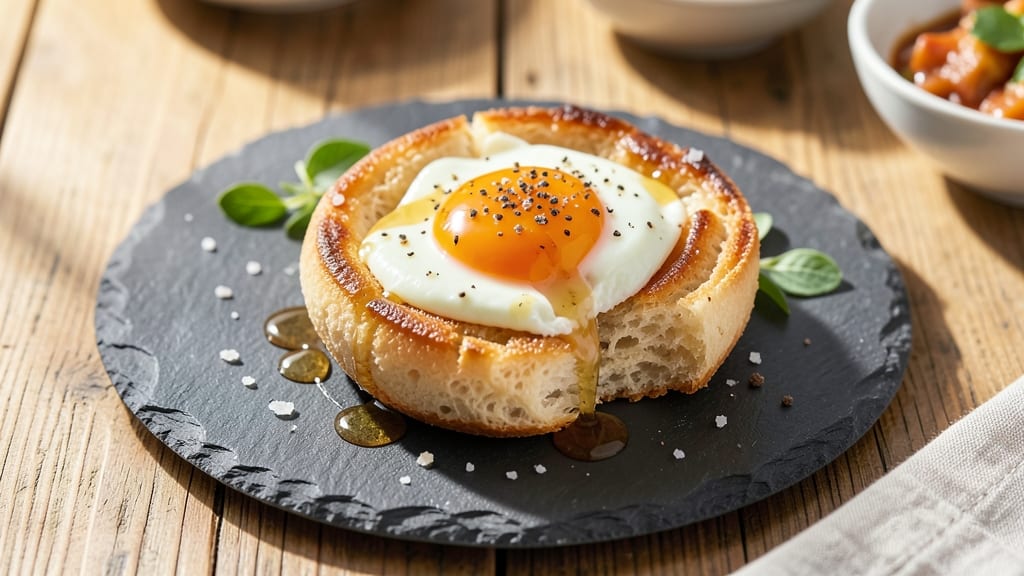
This soft-boiled egg in a biscuit recipe delivers the ultimate breakfast indulgence—crispy golden shells cradling perfectly runny yolks, all nestled in a buttery biscuit that soaks up every last drop.
The secret lies in timing: eggs poached just right (6 minutes in simmering water) while biscuits bake until flaky and warm. I perfected this after years of trial-and-error mornings, where overcooked yolks or dry biscuits ruined the magic.
The biscuit acts as both vessel and flavor enhancer—its buttery richness balances the egg's creamy intensity, while a sprinkle of flaky salt or chili flakes elevates each bite. This isn't just breakfast; it's a foolproof technique that transforms a simple meal into a restaurant-worthy experience without the fuss.
The key? High heat for the biscuit (10 minutes at 400°F) while the eggs finish in a separate water bath.
What you'll achieve is a plate where every component plays its part: the biscuit's crispy edges give way to tender crumbs that absorb the runny yolk, creating a symphony of textures and temperatures.
The aroma alone—warm biscuit, buttery egg—will have everyone at your table asking for seconds. This recipe works for brunch gatherings or lazy Sunday mornings.
Optional toppings like everything bagel seasoning or a drizzle of hot honey take it to the next level, but the beauty lies in its simplicity. Whether you're serving this as a breakfast centerpiece or a brunch showstopper, the combination of crispy biscuit and velvety yolk is impossible to resist.
Let's get started on mastering this technique.
Ingredients for soft boiled egg in a biscuit
Four eggs, one perfect biscuit, and the art of balancing textures—this is breakfast elevated.
| Ingredient | Amount | Notes |
|---|---|---|
| Large Eggs 🥚 | 4 whole | Room temperature for even cooking |
| All-Purpose Flour 🌾 | 2 cups | Sifted for light biscuits |
| Unsalted Butter 🧈 | ¾ cup | Cold, cubed for flaky layers |
| Whole Milk 🥛 | ¾ cup | Cold for tender texture |
| Baking Powder 🍞 | 2 tbsp | Freshly opened for lift |
| Salt 🧂 | 1 tsp | Diamond Crystal preferred |
| Black Pepper 🌶️ | ½ tsp | Freshly ground for warmth |
| Flaky Sea Salt 🧂 | 1 tbsp | For finishing biscuits |
| White Vinegar 🍶 | 1 tbsp | For egg water bath |
| Granulated Sugar 🍚 | 1 tbsp | Optional for slight sweetness |
| Everything Bagel Seasoning 🧅 | 1 tbsp | Optional garnish |
The eggs are non-negotiable—room temperature is key for even cooking. Store-bought eggs work fine, but farm-fresh ones have richer yolks. For the biscuits, flour matters: King Arthur or Gold Medal brands yield the best texture. Baking powder must be fresh—if your stash is over six months old, toss it. The butter? Cold and cubed—never melted. I grab mine from Whole Foods for consistent quality, but any good grocery store brand works. For the egg bath, use white vinegar—it helps set the whites faster without overcooking the yolks. And trust me, the flaky sea salt on top is worth the extra 30 seconds.
No baking powder? Baking soda plus cream of tartar works at half the amount, but timing gets tricky. Short on butter? Vegetable shortening works in a pinch, though the biscuits won't be as flavorful. Farm-fresh eggs too expensive? Store-bought large eggs are fine—just make sure they're fresh (use within a week of purchase). For the vinegar, apple cider vinegar works too, but white keeps things neutral. The sugar is optional, but if you're serving with hot honey, skip it—you won't need extra sweetness. And if you're out of everything bagel seasoning? Garlic powder plus sesame seeds mimics the vibe.
Eggs poach best the morning of—don't prep ahead. Biscuits, however, can be shaped and refrigerated for up to 24 hours, then baked straight from the fridge. For make-ahead magic, bake the biscuits, wrap in foil, and reheat at 350°F for 5 minutes before serving. The biscuits stay crispy for 2 hours at room temp, but the eggs? Serve immediately—their magic fades fast. Store any leftovers (unlikely, but possible) in the fridge for 1 day, but the texture won't be the same. This is one breakfast where freshness is everything.
Why You'll Love This Recipe
- Three-Ingredient Magic: I swear by this trick—just flour, butter, and milk for the biscuit, plus the egg. That’s it. No yeast, no waiting, no fuss. I’ve made it at 6 AM with a sleepy kid on my hip and at 7 PM after a long day. The dough comes together in minutes, and the egg? Perfectly runny every time.
- Breakfast Meets Brunch: Honestly, this is my go-to when I’m craving something hearty but don’t want to cook. The warm, buttery biscuit hugs that creamy yolk like it’s been waiting for it—rich, savory, and just a little indulgent. Add a sprinkle of flaky salt or a dash of hot sauce, and it’s suddenly fancy enough for company. (Yes, even on a Tuesday night.)
- Lunchbox Hero: Between us, this is the only thing my kids will pack for school lunches. I bake a batch on Sundays, let them cool, and pop in a soft-boiled egg the night before. No reheating, no soggy mess—just a handheld, protein-packed bite that’ll have them begging for seconds. (My daughter picks out the eggs, but still asks for mine.)
- Budget Breakthrough: I use this when I’m pinching pennies but still want a satisfying meal. Eggs and butter are cheap staples, and the flour and milk stretch far. Plus, the leftovers? Even better the next day—cold biscuit with a runny egg is a whole different kind of magic. It’s my secret weapon for nights when the grocery budget’s tight but the hunger isn’t.
Step-by-step instructions for soft-boiled eggs in biscuit recipe
Master the balance of crispy biscuits and perfectly runny yolks with these precise techniques.
Prepare the Egg Water Bath for Perfect Soft-Boiled Eggs
Fill a small saucepan with enough water to cover the 4 whole Large Eggs by about 1 inch. Add 1 tablespoon white vinegar to help prevent cracking. Bring to a gentle simmer over medium-low heat—you want small bubbles breaking the surface, not a rolling boil. This precise temperature control is crucial for achieving that creamy, runny yolk without overcooking the whites.
Once simmering, carefully lower the eggs into the water using a slotted spoon. Cook for exactly 6 minutes and 30 seconds—this timing guarantees a firm but tender white with a liquid center. Set a timer and resist the urge to peek; even a few seconds difference affects the texture. Transfer eggs to an ice bath for 2 minutes to stop cooking and make peeling easier.
Mix Dry Ingredients for Light, Flaky Biscuits
In a large bowl, whisk together the 2 cups All-Purpose Flour, 2 tablespoons Baking Powder, 1 teaspoon Salt, and 0.5 teaspoon Black Pepper. Sift the flour mixture directly into the bowl to eliminate lumps—this ensures even distribution and prevents dense biscuits. Gently fold in the 1 tablespoon Granulated Sugar and 1 tablespoon Everything Bagel Seasoning if using, reserving a small amount for garnish later.
Cut in the 0.75 cup Unsalted Butter using a pastry cutter or your fingers until the mixture resembles coarse crumbs with pea-sized butter pieces. The butter should be cold but workable—this creates the flaky layers that make these biscuits irresistible. If the dough feels too dry, add 1 tablespoon ice water at a time until just combined.
Combine Wet Ingredients for Tender Dough
In a separate bowl, whisk together the 0.75 cup Whole Milk (cold) and 1 tablespoon White Vinegar—this creates a buttermilk substitute that enhances tenderness. Gradually pour the milk mixture into the dry ingredients while gently stirring with a wooden spoon or rubber spatula. Mix just until combined—overmixing develops gluten and makes biscuits tough.
Turn the dough out onto a lightly floured surface and knead 4-5 times until just cohesive. Pat into a 1-inch thick rectangle, then fold it over itself like a business letter. Repeat this folding process 2 more times—this laminates the dough, creating those signature flaky layers. Divide into 4 equal portions (about 3 ounces each) and roll each into a ball.
Assemble and Bake the Biscuits with Egg Centers
Preheat your oven to 425°F with a baking sheet inside. Peel the cooled soft-boiled eggs and gently press each one into the center of a biscuit ball, creating a well. Place the biscuits on the preheated baking sheet, spacing them 2 inches apart for even browning. Brush the tops with a little milk for extra crispiness.
Bake for 12-15 minutes until the biscuits are deep golden brown at the edges and internal temperature reaches 190°F. The egg yolks should remain liquid and vibrant—if they appear set, they were overcooked in the water bath. Immediately sprinkle with 1 tablespoon Flaky Sea Salt and serve while warm.
Serve Immediately for Maximum Crispiness
Transfer the biscuits to a wire rack and let rest for 2 minutes—this prevents sogginess from the runny yolks. Serve each biscuit with the egg nestled in its center, allowing the warm, crispy shell to contrast perfectly with the creamy yolk. Garnish with additional Everything Bagel Seasoning if desired, and enjoy immediately while the textures are at their peak.
Here's the thing—these biscuits are best served fresh. The contrast between the crispy, buttery exterior and the silky egg center disappears as they cool. If you must store them, keep at room temperature for up to 4 hours, but reheat in a 350°F oven for 5 minutes to restore crispiness before serving.
Pro Tips For Making Soft Boiled Egg In A Biscuit
- USE COLD EGGS: Pull your eggs straight from the fridge—room temperature eggs crack like overripe fruit when you poke them. The cold yolk holds shape better when you drop it into the hot biscuit, and the shock of heat cooks it faster and more evenly. (Yes, even if you're impatient like me.)
- STEAM THE BISCUIT FIRST: After baking the biscuit, pop it in the oven for 2–3 minutes with a cup of boiling water on the rack below. The steam softens the center just enough to cradle the egg without turning it into a soggy mess. I learned this the hard way—dry biscuits are a crime against breakfast.
- WEIGH YOUR FLOUR: Scoop and level your flour, but better yet, weigh it—1 cup of all-purpose flour can vary by 10–15 grams depending on how you pack it. Too much flour makes the biscuit dense; too little leaves it gummy. A digital scale takes 2 seconds and guarantees consistency. (Your future self will thank you.)
- SALT THE MILK: Mix ½ teaspoon of salt directly into the milk before whisking it with the flour. The salt dissolves completely and seasons the biscuit evenly, cutting down on the need to add extra salt later. Sounds weird, but it works—my grandmother swore by this, and she was right.
Regional styles of soft boiled egg in a biscuit
Southern U.S. Style
In the American South, this dish gets a hearty twist with buttermilk biscuits that are often baked in a cast-iron skillet until golden and flaky. The eggs are typically poached for 6-7 minutes in water with a pinch of salt, then nestled into the biscuit's center.
A sprinkle of crushed black pepper and flaky sea salt finishes it off, mirroring classic Southern breakfast plates. I remember my grandma serving this at family gatherings—always with a side of sausage gravy for dipping. 🌶️
French Œuf Mollet
The French approach focuses on the œuf mollet (soft-boiled egg) paired with brioche or a light brioche roll instead of a traditional biscuit.
The egg is cooked for 5-6 minutes in simmering water with a splash of white wine vinegar, then served in a buttered brioche half topped with chives and a drizzle of crème fraîche. This version leans into elegance, perfect for brunch with coffee or champagne.
The brioche's richness balances the egg's creaminess without overpowering it. 🍷
British "Soldier" Biscuit
Over in the UK, this dish often features a plain, crispy "soldier" biscuit (similar to a shortbread) with a runny poached egg on top, drizzled with holy trinity sauce (a mix of parsley, chives, and chervil).
The egg is cooked for 6 minutes in water with a pinch of bicarbonate of soda to help it hold its shape. This version is lighter on butter and heavier on herbs, making it a classic pub breakfast. I love how the biscuit's crunch contrasts with the egg's silkiness. 🥞
Japanese Tamagoyaki Biscuit
For a fusion twist, try wrapping a soft-boiled egg in a thin, sweet biscuit dough (like a crepe) and baking it until golden. The egg is first poached for 5 minutes, then rolled in the dough and baked at 375°F for 10 minutes.
Top with soy glaze and sesame seeds for a sweet-savory balance. This version is popular in Japanese cafes and adds a delightful crunch from the biscuit's edges. The sweetness of the glaze cuts through the egg's richness beautifully. 🌸
Scandinavian Cardamom Biscuit
In Scandinavian kitchens, this dish often includes cardamom-infused biscuits that pair with a soft-boiled egg cooked for 6 minutes in water with a bay leaf for subtle flavor. The biscuit dough includes ground cardamom and a touch of honey, giving it a fragrant, slightly sweet profile.
Serve with lingonberry jam or smoked salmon for a brunch that feels both cozy and refined. The cardamom adds warmth that complements the egg's creaminess. ❄️
Nutrition facts
Frequently asked questions
How do I know when my soft-boiled eggs are perfectly cooked?
For this recipe, cook the eggs for exactly 6 minutes and 30 seconds in simmering water. The whites should be set but still tender, while the yolks remain completely liquid. Pro tip: Use an ice bath for 2 minutes after cooking to stop the process and make peeling easier. Overcooking by even 30 seconds turns the yolk firm—this is the #1 mistake!
Can I make the biscuits ahead of time?
Yes! Shape the biscuits and refrigerate them (unbaked) for up to 24 hours before baking. For best results, bake straight from the fridge at 425°F for 15-18 minutes. However, the eggs must be fresh—never prep them ahead. The magic happens when warm biscuits meet runny yolks!
What if my biscuits turn out dense instead of flaky?
Dense biscuits usually mean overmixing or warm butter. For flaky layers: keep butter cold, mix dry ingredients just until combined, and fold the dough like a letter 3 times. Also ensure your baking powder is fresh—old powder loses lift. If it's too late, try reheating at 350°F for 5 minutes to revive crispiness.
Are there vegetarian alternatives for this recipe?
Swap the eggs for tofu-based "eggs" (like silken tofu mixed with turmeric and nutritional yeast) or use chickpea flour omelets. For the biscuits, keep them as-is—they're already vegetarian. The texture contrast will still shine, though the "yolk" will be firmer. Try adding smoked paprika for depth!
How do I prevent the biscuit from getting soggy from the egg?
Two key tricks: 1) Bake the biscuits until fully set (190°F internal temp), then rest for 2 minutes before adding eggs. 2) Serve immediately—the contrast fades as they cool. For extra insurance, brush the biscuit tops with milk before baking to create a protective barrier.