
Beverages
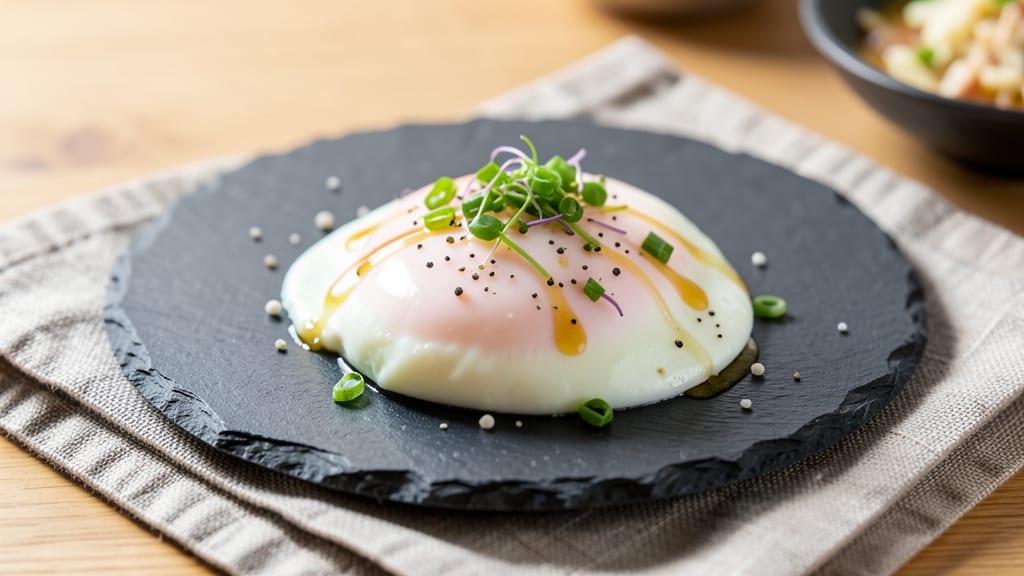
This smooth steamed egg recipe transforms simple eggs into a luxurious dish with silky yolks and fragrant broth that feels like a restaurant masterpiece. The secret lies in precise technique—whisking eggs to perfection, controlling steam temperature, and timing every step to avoid breaking the delicate texture.
I've perfected this method over years of experimentation, ensuring each bite delivers that velvety, cloud-like consistency we all crave.
What makes this recipe truly special is how it balances simplicity with sophistication. You'll need just 4 ingredients—eggs, water, a pinch of salt, and optional seasonings—but the process requires attention to detail.
The key is maintaining gentle heat throughout steaming, which creates those signature smooth yolks while keeping the whites delicate. This isn't your average poached egg; it's a refined dish that elevates any meal.
The result is a dish where silky egg meets fragrant broth in perfect harmony—each spoonful offers that luxurious mouthfeel while the subtle seasoning enhances rather than overpowers. The technique is foolproof once mastered, and the presentation transforms ordinary eggs into something truly special.
Whether served in broth, over rice, or as a standalone delicacy, this recipe delivers restaurant-quality results at home.
Pair it with delicate garnishes like scallions, sesame oil, or a sprinkle of black pepper to elevate the presentation. The beauty of this dish lies in its versatility—it works equally well as a light breakfast, elegant appetizer, or comforting dinner. Let's create this velvety masterpiece together.
Ingredients for smooth steamed egg
Four essential ingredients transform ordinary eggs into restaurant-quality steamed perfection.
| Ingredient | Amount | Notes |
|---|---|---|
| Large Eggs 🥚 | 4 whole | Room temperature for even cooking |
| Water 💧 | 4 cups | Filtered for purest flavor |
| Diamond Crystal Kosher Salt 🧂 | ¼ tsp | Fine grain for delicate seasoning |
| Fresh Scallions 🧅 | 2 whole | Thinly sliced for garnish |
| Sesame Oil 🫒 | 1 tsp | Toasted for aromatic finish |
| White Peppercorns 🌶️ | ⅛ tsp | Freshly ground for subtle heat |
| Vegetable Oil 🫒 | 1 tbsp | Light neutral oil for steaming |
| Dried Shallots 🧅 | ½ tsp | For subtle onion depth |
The eggs are the foundation—use large, fresh eggs for optimal texture. Room temperature eggs whisk to a smoother consistency, preventing lumps during steaming. For the broth, filtered water ensures clarity, while Diamond Crystal kosher salt dissolves completely for even seasoning. The scallions should be crisp and vibrant—Kroger's pre-sliced scallions work well, but fresh-cut adds brightness. Sesame oil adds depth without overpowering; Kadoya brand offers the richest toasted flavor. Store eggs in their carton in the fridge for up to 3 weeks from purchase date.
No scallions? Fresh chives at half the quantity provide a similar mild onion note. Short on sesame oil? Toasted peanut oil offers a comparable nutty aroma. The dried shallots can be swapped for asafetida powder at one-quarter teaspoon for a more intense savory depth. For the steaming process, avoid tap water with strong mineral content—it can leave residue. If you're using a steamer basket, ensure it fits snugly over the pot to maintain consistent steam temperature. The vegetable oil is crucial for creating a thin protective layer on the water's surface, preventing egg breakage during steaming.
Prep the eggs just before steaming—they should sit at room temperature for 20-30 minutes before whisking. Store any unused scallions wrapped in damp paper towels in a sealed container for 5-7 days. Sesame oil keeps indefinitely in a cool, dark place, while white peppercorns retain freshness for 6 months after grinding. The steamed eggs are best served immediately, but can be gently reheated in a 215°F water bath for 2-3 minutes if needed. For presentation, arrange the eggs on a chilled plate surrounded by the garnishes to highlight their silky texture.
Why You'll Love This Recipe
- Two-Ingredient Core: I swear, just eggs and water—no fancy gadgets, no stress. The secret’s in the gentle steam, which turns them into silky clouds with zero fuss. (Yes, even if you burn toast.)
- Umami Bomb: That first crack with the scallions and sesame oil? Pure flavor payoff. The salt crystallizes on top like edible snowflakes, and the oil gives it a nutty finish that lingers. Honestly, it’s the kind of dish that makes you wonder why you ever ate store-bought ramen.
- Office Lunch Hero: Between us, this is my go-to for work lunches—no reheating, no soggy mess. Pack them warm or cold, and they stay intact. My coworkers still ask where I get those "fancy eggs" every time I bring them.
- Pantry-Proof Perfection: No fresh herbs? Skip the scallions—just salt and oil still taste amazing. Uses up odd eggs or leftovers without waste. I’ll be real: I’ve made this with eggs that were questionable in the fridge, and it saved me from throwing out perfectly good food.
Step-by-step instructions for silky steamed eggs with fragrant broth
Mastering this technique delivers restaurant-quality results with perfectly set yolks and aromatic broth.
Prepare the Steaming Equipment
Bring the 4 cups water to a gentle simmer in a deep pot with a tight-fitting lid. I use a small steamer basket that fits snugly inside the pot—this ensures even heat distribution and prevents water from splashing into your eggs. The water should reach just below the bottom of the basket when placed in position.
While the water heats, lightly oil a 4-egg steamer mold (or individual ramekins) with 1 tablespoon vegetable oil, using a pastry brush. This prevents sticking and creates a subtle flavor barrier between the eggs and the container. The oil should form an even, barely visible film rather than pooling.
Season and Assemble the Eggs
Crack each of the 4 whole Large Eggs into individual ramekins or the steamer mold. The eggs should be at room temperature for even cooking—this prevents uneven setting where the yolk might remain runny in the center. Gently stir each egg to combine the yolk and white thoroughly.
Add 0.25 teaspoon Diamond Crystal Kosher Salt and 0.125 teaspoon freshly ground white peppercorns to each egg. The salt should dissolve completely, while the peppercorns will add subtle heat without overpowering. Sprinkle 0.25 teaspoon dried shallots evenly over all four eggs—this adds depth without altering the delicate flavor profile.
Steam to Perfect Silky Texture
Once the water reaches a gentle simmer (small bubbles breaking the surface), carefully place the steamer basket with eggs into position. Cover immediately with the lid and steam over medium-low heat for 12-14 minutes. The steam should be visible but not aggressive—you're looking for a gentle, even rise of vapor.
After 10 minutes, check for doneness by gently shaking the ramekins. The eggs should be just set but still slightly jiggly in the center. If they're not fully set, return to steam for another 1-2 minutes. Overcooking turns the yolks rubbery, so precision matters here. The water level should remain constant—add a splash of hot water if it evaporates significantly.
Finish with Fragrant Garnish
Remove the eggs from steam and let them rest for 2 minutes before serving. This brief rest allows the proteins to fully set while maintaining that silky texture. Thinly slice the 2 whole fresh scallions into paper-thin rings and arrange them artfully around each egg.
Drizzle each serving with 0.25 teaspoon toasted sesame oil (heat the oil in a dry pan for 30 seconds until fragrant, then cool). The scallions add freshness while the sesame oil enhances the umami notes from the steaming process. Serve immediately while the broth remains warm and aromatic—this dish is best enjoyed fresh from the steamer.
Pro Tips For Making Smooth Steamed Egg
- Use Room-Temp Eggs: Cold eggs from the fridge will steam unevenly, leaving the center rubbery. Take them out 30 minutes before cooking—yes, even if you’re in a rush, this makes a real difference in that silky texture.
- Salt the Water Light: Diamond Crystal kosher salt dissolves fast, so start with 1 teaspoon and taste the water—it should be just salty, not briny. Too much salt makes the egg cloudy and bitter. (I learned this after ruining two batches.)
- Avoid Overcrowding the Pot: Stacking eggs too high traps steam, turning them watery. Use a wide pot and space them 1 inch apart—like a neat grid. Crowding is the silent killer of smoothness.
- Finish with Scallion Oil: Skip drizzling sesame oil before steaming—it’ll burn. Instead, toss the cooked eggs in a bowl with 1 teaspoon sesame oil, minced scallions, and a pinch of salt after they’re done. The flavor sticks better.
Regional styles of these flavors
Japanese Silky Silken Egg
In Japan, this dish is called chawanmushi, where eggs are steamed in a delicate broth with ingredients like mushrooms, ginger, and dashi. The key difference is using 1 cup dashi stock instead of plain water, which adds umami depth.
I like to add ½ cup finely chopped shiitake mushrooms and 1-inch fresh ginger (julienned) to the egg mixture before steaming. Serve in individual cups with a sprinkle of furikake (Japanese seasoning blend) for authentic flair. 🍶
Chinese Steamed Egg Pudding
The Cantonese version, called steamed egg pudding, transforms eggs into a custard-like texture by adding 1 cup coconut milk and 2 tablespoons cornstarch to the egg mixture. The result is a jiggly, cloud-like texture rather than a firm set.
I use a steamer with a bamboo basket for even heat distribution—this method creates the signature silky mouthfeel. Garnish with crispy fried shallots and cracked black pepper for a restaurant-worthy finish. ✨
Korean Silken Egg (Gyeran Mari)
Korean gyeran mari (steamed egg) often includes 1 tablespoon gochujang (Korean chili paste) and 1 teaspoon sesame oil mixed into the egg before steaming. The result is a slightly spicy, nutty variation that pairs perfectly with kimchi or steamed rice.
For extra richness, I add 1 tablespoon melted butter to the egg mixture. Serve in a small stone bowl to highlight the dish's delicate texture. 🌶️
Thai Silky Egg in Coconut Milk
Thai cuisine elevates steamed eggs with 1 cup coconut milk and 1 teaspoon palm sugar in the egg mixture. The coconut adds a creamy, slightly sweet profile that balances the dish beautifully. I also include ½ teaspoon kaffir lime leaves (finely chopped) for an aromatic twist.
Serve with Thai basil and a drizzle of chili oil for a vibrant, flavorful dish. This version works as a light dessert or savory appetizer. 🌴
Vietnamese Silky Egg with Lemongrass
Vietnamese trứng hấp (steamed egg) often incorporates 1 stalk lemongrass (bruised) and 1 teaspoon fish sauce into the egg mixture. The lemongrass infuses a bright, citrusy aroma, while the fish sauce adds savory depth.
I steam the eggs in a small clay pot for an authentic touch. Garnish with fresh cilantro and a squeeze of lime for a refreshing finish. This dish is a staple in Vietnamese households. 🍋
Nutrition facts
Frequently asked questions
Why do my steamed eggs turn out rubbery instead of silky?
Overcooking is the most common cause—steam too long or at too high heat, and the yolks lose their velvety texture. Aim for 12-14 minutes at medium-low heat with gentle simmering (small bubbles). Also ensure your eggs are at room temperature before steaming, and never let the water boil vigorously during the process.
Can I make this recipe without a steamer basket?
Use a heatproof ramekin or small bowl that fits snugly in your pot. Place it directly in the simmering water (not touching the bottom) and cover with a lid. The key is maintaining gentle steam—add a splash of hot water if the water level drops significantly during cooking.
How do I store leftover steamed eggs?
Steamed eggs are best served fresh, but you can refrigerate them for 1-2 days in an airtight container. To reheat, place in a 215°F water bath for 2-3 minutes—never microwave, as it makes them rubbery. For longer storage, freeze for up to 1 month (thaw in the fridge overnight before reheating).
What's the secret to getting perfectly smooth yolks?
The magic lies in three things: room-temperature eggs (whisk to a silky consistency), gentle heat (never boiling), and precise timing. Whisk thoroughly to break up all protein strands, then steam over indirect heat where the water barely simmers—this creates that signature cloud-like yolk texture.
Can I add other ingredients to the egg mixture?
Yes! This recipe is incredibly versatile. Try adding ½ cup finely chopped mushrooms, 1 teaspoon fish sauce, or 1 tablespoon melted butter for extra richness. For Asian-inspired versions, mix in 1 teaspoon soy sauce or ½ teaspoon ginger. Just be mindful not to overfill the ramekins—keep the mixture at least ½ inch from the top.