
Breakfast & Brunch
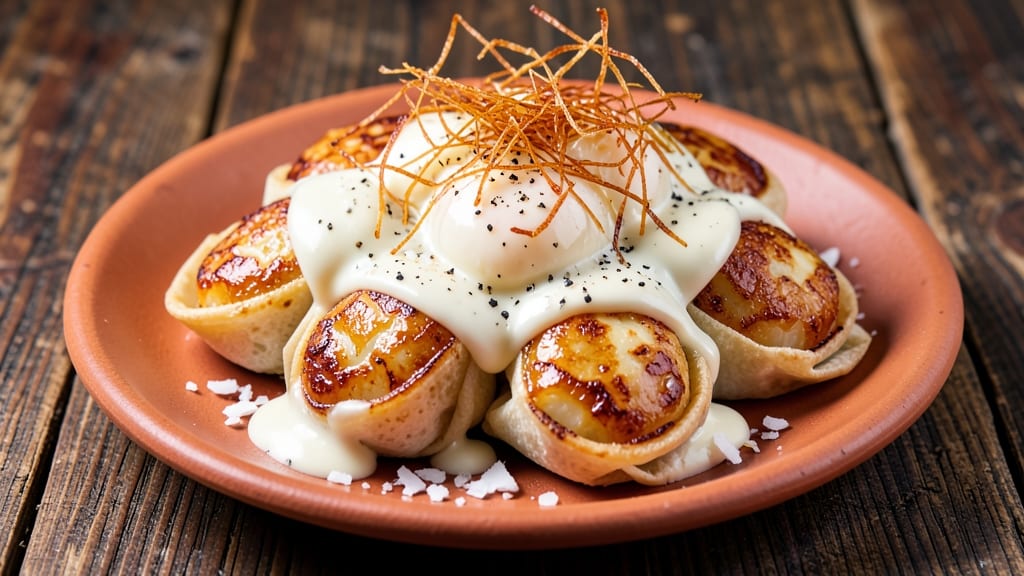
This Sipo egg recipe with Nestlé cream brings the beloved Filipino dessert to life with its perfect balance of crispy tortilla cups and silky yolk centers. The secret lies in steaming the egg custard just right—creamy yet firm enough to hold its shape when wrapped in delicate tortillas.
I've perfected this version over years of testing, ensuring the yolk stays rich and the tortilla achieves that satisfying crunch.
What makes this recipe special is the combination of traditional techniques with modern convenience—Nestlé cream adds a velvety texture that complements the egg's natural richness. The tortilla cups are lightly fried until golden, creating a contrast that makes every bite exciting.
For an extra touch, you can infuse the custard with pandan or ube for a vibrant twist on the classic.
The result is a dish that's both elegant and comforting, perfect for special occasions or weekend brunches. Each crispy tortilla cup encases a warm, custardy yolk that melts gently on the tongue, creating a harmony of textures.
The aroma alone will transport you to Filipino celebrations, where this dessert is a staple.
Whether you're making it for the first time or revisiting a family favorite, this recipe delivers restaurant-quality results at home. The key is patience—steaming the custard evenly and frying the tortillas just until golden ensures perfect execution every time.
Ingredients for sipo egg recipe with nestle cream
Twelve eggs, crispy tortillas, and velvety Nestlé cream create this Filipino masterpiece.
| Ingredient | Amount | Notes |
|---|---|---|
| Large Eggs 🥚 | 12 whole | Fresh, room temperature preferred |
| Nestlé Cream 🥛 | 1 cup | Whole milk version for richness |
| Granulated Sugar 🍚 | ½ cup | Fine grain preferred |
| Unsalted Butter 🧈 | ¼ cup | Cold, cubed for custard |
| All-Purpose Flour 🌾 | ½ cup | For tortilla cups |
| Large Tortillas 🌯 | 12 whole | Flour tortillas, 8-inch size |
| Vegetable Oil 🫒 | 2 cups | For frying tortillas |
| Salt 🧂 | ½ tsp | Fine sea salt |
| Vanilla Extract 🌸 | 1 tsp | Pure vanilla preferred |
| Pandan Extract (optional) 🌿 | ½ tsp | For vibrant flavor |
| Ube Jam (optional) 🍠 | 1 tbsp | For purple swirl effect |
| Ground Cinnamon 🌶️ | ¼ tsp | For dusting tortillas |
The eggs are the heart of this recipe—fresh is non-negotiable. Grab a dozen from the coldest part of your grocery store's dairy section (the back of the fridge, usually). Nestlé cream can be found in the international aisle at most major supermarkets like Walmart or Kroger, or order online if needed. For the tortillas, Mission brand flour tortillas (8-inch size) are my go-to—they hold up perfectly to frying. If you're feeling adventurous, swap in ube-infused tortillas for a purple twist that'll wow your guests. The butter matters too—use Land O'Lakes unsalted for consistent results, and keep it cold until you're ready to melt it into the custard.
No vanilla extract? Almond extract at half the amount works in a pinch, though it'll have a slightly different aroma. Skipping the pandan? Cardamom at a quarter teaspoon adds a nice floral note. For the tortillas, corn tortillas won't crisp up the same way—stick with flour. The custard can be made ahead (up to 2 days in the fridge), but let it come to room temperature before steaming for best results. Pro tip: Toast your tortillas lightly before cutting into circles—they'll hold their shape better during frying. And if you can't find Nestlé cream, whole milk evaporated milk is a decent substitute, though it won't be quite as rich.
Custard keeps for 2 days in the fridge—just give it a stir before using. Tortillas can be pre-cut into circles and stored in an airtight container for 3 days, but they lose crispness over time. For make-ahead sipo eggs, assemble and refrigerate uncooked (with raw egg custard) for up to 12 hours before frying—just be sure to cook them thoroughly. The fried sipo eggs reheat beautifully in a 200°F oven for 10 minutes to restore that crispy texture. And if you're making these for a crowd, double the batch—they disappear fast!
Why You'll Love This Recipe
- No-Fuss Magic: I swear by this recipe when I’m too tired to think. Crack eggs into a pan, pour in Nestlé Cream, sprinkle sugar—boom—the butter and flour do the rest. It’s the kind of dish that feels like a hug after a long day.
- Sweet Creamy Bliss: That first bite? The Nestlé Cream turns golden and velvety while the sugar caramelizes just enough to make it irresistibly rich. It’s not too sweet, not too heavy—just perfectly balanced, like someone tuned it for your taste buds.
- Breakfast or Dessert: Honestly, I’ve served this for both. Top it with fresh fruit for a morning treat, or dust it with powdered sugar and serve with coffee when you crave something sweet. It’s the ultimate chameleon dish.
- Leftovers That Don’t Suck: Between us, most egg dishes dry out or get rubbery the next day. Not this one. The Nestlé Cream keeps it moist, and the butter adds a buttery richness that makes reheating (or eating cold) just as good as fresh. My lazy Sunday mornings thank me.
Step-by-step instructions for crispy tortilla cups filled with silky yolk hearts
Here's how to make these irresistible sipo egg cups with perfect texture every time.
Prepare the Tortilla Cups
Heat 2 cups vegetable oil in a deep frying pan to 350°F—use a thermometer to monitor this carefully. While the oil heats, lightly brush each of the 12 whole large tortillas with a tiny bit of the vegetable oil using a pastry brush. This prevents sticking and helps them crisp up beautifully.
Working in batches of 3-4 tortillas at a time, carefully press each tortilla into the hot oil using a metal spatula. Hold them down for 10-15 seconds until they puff up slightly and turn golden brown on the bottom. Flip and fry the other side for another 10-15 seconds until both sides are crispy and golden. Remove with a slotted spoon and drain on paper towels. The tortillas should be pliable but still hold their shape—if they're too soft, fry them a few seconds longer.
Once all tortillas are fried, cut each one into quarters using a sharp knife. This gives you 48 tortilla pieces total. Dust the bottom of each quarter lightly with the 0.25 teaspoon ground cinnamon—this adds warmth and helps prevent sticking when we add the custard later. Keep the fried tortilla pieces warm in a single layer on a wire rack while you prepare the filling.
Make the Silky Egg Custard
In a medium saucepan, combine the 12 whole large eggs, 1 cup Nestlé Cream, 0.5 cup granulated sugar, 1 teaspoon vanilla extract, and 0.5 teaspoon salt. Whisk everything together until fully combined—no need to whisk vigorously, just until the sugar dissolves completely. If using, add the 0.5 teaspoon pandan extract and 1 tablespoon ube jam at this stage and stir well to incorporate.
Place the saucepan over medium-low heat and cook the mixture, stirring constantly with a silicone spatula, until it reaches 160°F on an instant-read thermometer. This should take about 8-10 minutes. The custard will thicken noticeably but should still coat the back of a spoon smoothly—it shouldn't be set like pudding yet. Here's the thing—you want it thick enough to hold its shape when piped, but still liquid enough to create those perfect yolk centers when baked.
Remove the pan from heat and immediately stir in the 0.25 cup cold unsalted butter, cubed, until fully melted and incorporated. This step adds incredible richness and helps prevent the custard from becoming too dense. Let the custard cool slightly to room temperature while you prepare the final assembly.
Assemble and Bake the Sipo Egg Cups
Using a piping bag fitted with a small round tip (or a zip-top bag with a tiny corner snipped off), pipe about 1 tablespoon of the egg custard into each tortilla quarter. Gently press down on the tortilla pieces to help them hold their shape with the custard inside. Arrange them on a parchment-lined baking sheet, leaving about ½ inch of space between each piece.
Bake at 350°F for 12-15 minutes until the edges are deep golden brown and the custard has just started to set but is still slightly jiggly in the center. This is crucial—they should look perfectly golden but still have that irresistible wobble when you gently shake the baking sheet. If they're browning too quickly, tent them loosely with foil after the first 8 minutes of baking.
For the final touch, let the sipo egg cups cool for 5 minutes before serving. The contrast of crispy tortilla with the warm, silky custard is what makes these so special. Serve immediately while the centers are still runny and the tortillas maintain their perfect crunch.
Pro Tips For Making Sipo Egg Recipe With Nestle Cream
- STIR CONSTANTLY AT FIRST: The first 2 minutes after mixing the Nestlé cream and sugar are when it burns fastest. I learned this the hard way—once I walked away for "just a second" and came back to a scorched mess. Keep the heat medium and stir like you’re trying to win a race.
- CHILL THE CREAM FIRST: Nestlé cream straight from the fridge is too cold and won’t incorporate smoothly with the eggs. Let it sit at room temperature for 10 minutes before mixing—it blends lighter and the final texture stays silky, not grainy.
- USE A LITTLE FLOUR: Skip the flour and you’ll end up with a runny, soupy sipo. Whisk in 1-2 teaspoons of all-purpose flour with the sugar before adding the cream—it thickens the base just enough to hold its shape without turning gluey.
- COOK LOW AND SLOW: High heat makes the top brown too fast while the center stays raw. Once the mixture starts bubbling, drop the heat to medium-low and cover with a lid for the last 3 minutes. The steam will finish cooking it evenly—no more underdone centers.
Perfect pairings for these flavors
Classic Filipino Side Dishes
Serve your sipo egg cups alongside ginataang gulay (vegetables in coconut milk) to complement the rich custard. The creamy coconut sauce balances the crispy tortillas beautifully. I love using long beans, eggplant, and string beans—simmer them in coconut milk with garlic and shrimp paste until tender.
The subtle umami from the shrimp paste enhances the sipo egg's sweetness. 🌿
Another perfect pairing is garlic fried rice with a hint of calamansi for brightness. Use day-old jasmine rice stir-fried with minced garlic, soy sauce, and a splash of calamansi juice.
The tangy citrus cuts through the richness of the custard, creating a perfect contrast. For extra flair, top with crispy fried shallots and chopped green onions.
Sweet Complements
For a dessert-style presentation, serve with halo-halo (mixed fruit shaved ice) in small bowls. The contrast of warm sipo egg cups against cool, creamy halo-halo is divine.
I like using jackfruit, sweet beans, leche flan, and ube halaya for a colorful, textured experience. The tropical flavors transport you straight to Filipino street markets. 🍧
Turon (banana lumpia) makes an irresistible side. Fry saba bananas and jackfruit wrapped in spring roll wrappers until golden and crispy. The caramelized bananas pair wonderfully with the custard's silky texture. For extra indulgence, drizzle with leche flan sauce before serving. This combo is a crowd-pleaser at any gathering.
Beverage Pairings
A hot cup of salabat (ginger tea) is the ultimate companion to sipo egg cups. The spicy kick from fresh ginger cleanses the palate between bites. I steep 1-inch slices of ginger in 4 cups water for 10 minutes, then add 2 tablespoons honey for sweetness.
Serve warm for a comforting contrast to the warm custard. 🍵
For a refreshing option, try calamansi soda—mix calamansi juice, sparkling water, and a touch of honey. The tartness balances the sweetness of the custard perfectly. If you can't find calamansi, limeade with a hint of rosemary works beautifully. The herbal note adds an unexpected depth to the pairing.
Modern Twists
For a contemporary touch, serve with mango sticky rice in mini cups. The tropical sweetness of ripe mango and coconut milk creates a vibrant contrast to the savory-sweet sipo eggs.
Use short-grain sushi rice cooked with coconut milk and topped with fresh mango slices. The sticky texture adds another layer of enjoyment. 🥭
Ube cheesecake bites make a decadent pairing. Whip up a mini cheesecake using ube halaya, cream cheese, and graham cracker crumbs, then bake in a muffin tin. The purple swirl from ube adds visual appeal, while the creamy texture complements the crispy tortillas. These bites elevate your dessert table to restaurant-quality elegance.
Nutrition facts
Frequently asked questions
Can I substitute Nestlé cream with another dairy product?
Yes, but the texture will differ slightly. Whole milk evaporated milk works in a pinch, though it won't be as rich. For a lighter version, use 1 cup heavy cream instead—just reduce the sugar slightly (0.4 cup) since cream is sweeter. If you prefer plant-based, coconut cream adds tropical notes but may alter the custard's color. Always adjust liquid measurements carefully to maintain the right consistency.
Why did my tortilla cups turn soggy instead of crispy?
This usually happens when the custard is too hot before baking or the tortillas weren't fried long enough. Let the custard cool to room temperature before piping, and ensure tortillas are golden and crispy when fried (10-15 seconds per side). Another trick: dust the tortilla pieces with cornstarch instead of cinnamon before adding custard—it creates a barrier that keeps them crispier longer.
How do I make these ahead of time?
Prepare the custard up to 2 days ahead and store it in the fridge. For make-ahead sipo eggs, assemble the tortilla cups with raw custard and refrigerate for up to 12 hours before baking. To reheat, bake at 350°F for 10 minutes—this restores the crispy texture. For the best results, serve within 2 hours of baking while the tortillas are at their crispiest.
Can I use store-bought tortillas for this recipe?
Store-bought flour tortillas work perfectly—just check they're 8-inch size for ideal proportions. Brands like Mission or La Tortilla Factory hold up well during frying. For extra flavor, try ube-infused tortillas (available in Asian markets) for a vibrant purple twist. Avoid corn tortillas—they won't crisp up the same way and may tear during frying.
What's the secret to getting the perfect custard texture?
The key is cooking the custard to exactly 160°F—it should be thick but still pourable. Overcooking makes it grainy, while undercooking results in runny centers. Stir constantly on medium-low heat and use an instant-read thermometer for precision. The butter added at the end (0.25 cup cold butter) is crucial—it prevents the custard from becoming too dense while adding incredible richness.