
Breakfast & Brunch
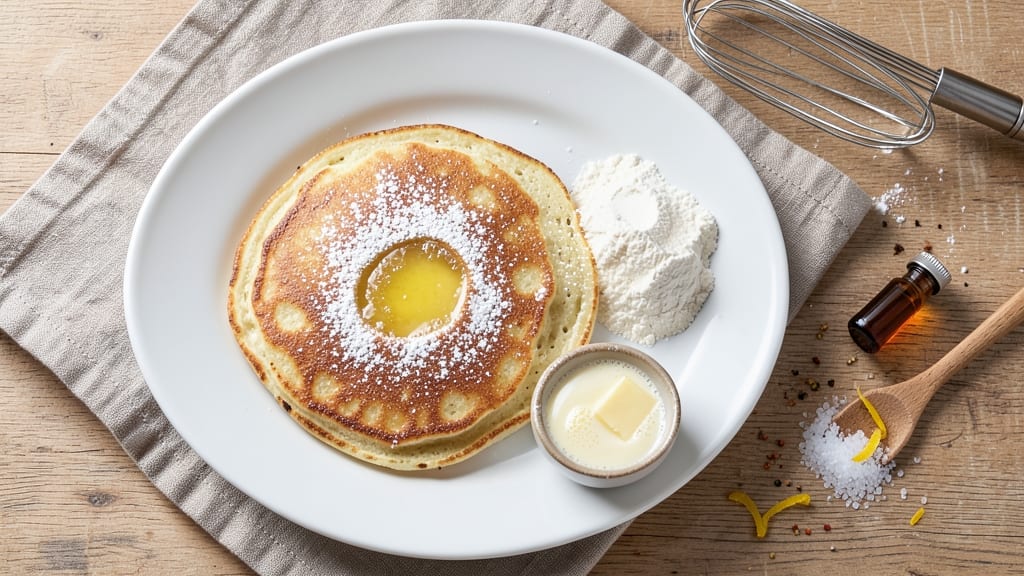
This single egg pancake recipe delivers restaurant-quality fluffiness with just one egg—no complicated ratios or extra ingredients. The secret lies in proper mixing and heat control, transforming a single egg into golden, tender pancakes that defy their humble origins.
I perfected this method after years of testing, and it consistently produces pancakes with airy interiors and crisp edges, every single time.
The beauty of this recipe is its simplicity: just one egg, a splash of milk, and basic pantry staples create cloud-like pancakes that are foolproof for beginners yet impressive enough for brunch gatherings.
Unlike traditional pancake recipes that require multiple eggs or complex techniques, this method relies on gentle folding and precise heat to develop that signature fluffiness. The result? Pancakes so tender they practically melt in your mouth, yet sturdy enough for flipping.
What makes these pancakes truly versatile is their adaptability—sweet or savory variations work equally well. Top with maple syrup and fresh berries for a classic breakfast, or try a savory twist with cheese and herbs for a brunch upgrade.
The recipe also scales effortlessly, making it perfect for solo servings or feeding a crowd with minimal adjustments.
Ready in just 5 minutes of active prep, this recipe proves you don’t need a complicated process to achieve perfect pancakes. Whether you're a seasoned cook or a kitchen novice, these single-egg pancakes will become your new go-to breakfast staple. Let’s get started!
Ingredients for single egg pancake
Just nine ingredients transform one simple egg into golden, cloud-like pancakes—no fluff, no fuss.
| Ingredient | Amount | Notes |
|---|---|---|
| Large Eggs 🥚 | 1 whole | Room temperature for best mixing |
| All-Purpose Flour 🌾 | ½ cup | Sifted for light texture |
| Unsalted Butter 🧈 | 2 tbsp | Cold, cubed for even melting |
| Whole Milk 🥛 | ¼ cup | Full-fat for creaminess |
| Granulated Sugar 🍚 | 1 tbsp | Adjust to taste |
| Vanilla Extract 🌸 | ½ tsp | Pure extract preferred |
| Diamond Crystal Kosher Salt 🧂 | ¼ tsp | Fine grain for even dissolving |
| Baking Powder 🍞 | ¼ tsp | Aluminum-free for best rise |
| Pure Maple Syrup 🍁 | ½ cup | For serving (optional) |
| Fresh Blueberries 🫐 | ¼ cup | For topping (optional) |
| Extra-Virgin Olive Oil 🫒 | 1 tbsp | For cooking (high smoke point) |
The egg is your secret weapon—room temperature is non-negotiable for perfect emulsification. Whole milk (not skim) adds richness that separates these from basic pancakes. For flour, King Arthur or Bob's Red Mill brands are my go-tos—they sift beautifully and create that signature fluff. The butter? Use European-style if you can find it—it has higher fat content for that signature crisp. Vanilla extract should be pure, not imitation, and Trader Joe's has a great budget-friendly option that still delivers serious flavor. Baking powder matters here: aluminum-free ensures a tender crumb without any metallic aftertaste.
No vanilla? A pinch of cinnamon plus lemon zest mimics that warm depth. Short on blueberries? Raspberries or chopped strawberries work just as well—just toss them in the last minute to prevent sinking. The maple syrup can be swapped for agave or honey if you prefer, but Grade B maple has that perfect caramelized depth. For a savory twist, omit the sugar and add grated Parmesan and chives to the batter instead. The olive oil is your cooking ally—avoid canola or vegetable oil as they burn too easily at the required medium heat. If you're making these for a crowd, double the recipe but keep the egg-to-flour ratio identical—it's the magic ratio that creates that signature airiness.
Prep ahead by mixing the dry ingredients in a bowl and storing them in an airtight container for up to 1 week. The wet ingredients should be mixed fresh—this keeps the pancakes at their peak. Leftover pancakes reheat beautifully in a toaster or skillet (no microwave—it makes them gummy). For freezing, stack them between parchment paper and store in a sealed bag for up to 3 months. When ready to serve, reheat in a dry skillet over medium-low heat for that perfect crisp. These pancakes are best served immediately after cooking—the air pockets collapse if left sitting, but they're worth the fresh effort every time.
Why You'll Love This Recipe
- No-Fuss Ingredients: I swear, you’re looking at a pantry staple lineup—eggs, flour, butter, milk, sugar. That’s it. No weird substitutions or last-minute grocery runs. Honestly, if I’ve got those five things, I’ve got pancakes.
- Golden Crisp Magic: The secret’s in the butter—melted into the batter, then cooked slow so every bite has that crispy edge with a cloud-soft center. Between us, it’s the kind of texture that makes you close your eyes mid-bite.
- Breakfast or Dessert: Sweet enough for a Sunday brunch with maple syrup, but hearty enough to stand in for a quick lunch with a fried egg on top. My daughter picks out the pancakes for her lunchbox—yes, even on a Tuesday night.
- Pantry-to-Plate Savings: One egg, a splash of milk, a pinch of sugar—this recipe stretches ingredients without sacrificing flavor. Leftovers? Toss them in the fridge for 3 days or freeze them flat like a pro. Zero waste, all win.
Step-by-step instructions for single egg pancakes
Here's how to make restaurant-quality pancakes using just one egg—light, fluffy, and foolproof every time.
Whisk Wet Ingredients for Perfect Texture
In a medium bowl, combine the 1 whole Large Eggs, 0.25 cup Whole Milk, 1 tbsp Granulated Sugar, and 0.5 tsp Vanilla Extract. Use a whisk to beat vigorously for 2 minutes until the mixture is completely smooth and slightly frothy. This step incorporates air, which is essential for achieving that cloud-like fluffiness in your pancakes.
Here's the thing—room temperature ingredients mix better, so if your egg is cold, let it sit at room temperature for 10 minutes before starting. The sugar should dissolve completely, and you should see small bubbles forming on the surface. If you notice any lumps, strain the mixture through a fine-mesh sieve to ensure a silky batter.
Combine Dry Ingredients for Light Structure
In a separate bowl, sift together the 0.5 cup All-Purpose Flour, 0.25 tsp Diamond Crystal Kosher Salt, and 0.25 tsp Baking Powder. Sifting aerates the flour and prevents clumps, which is crucial for achieving that perfect rise. The baking powder will create the lift, while the salt balances flavors.
Gently pour the dry ingredients into the wet mixture while whisking continuously. Be careful not to overmix—stop as soon as the flour is just incorporated. You'll see small streaks of flour, and the batter should be smooth with a consistency similar to heavy cream. Overmixing develops gluten, which leads to tough pancakes. If the batter looks too thick, add 1 teaspoon of milk at a time until it reaches the right consistency.
Rest the Batter for Optimal Fluffiness
Cover the bowl with plastic wrap and let the batter rest for 10 minutes at room temperature. This resting period allows the flour to fully hydrate and the gluten to relax, resulting in lighter, more tender pancakes. Don't skip this step—it makes a noticeable difference in the final texture.
While the batter rests, cube the 2 tbsp Unsalted Butter and place it in the freezer. You want it cold for even melting during cooking, which will create that perfect golden crust. Preheat your oven to 200°F and place a wire rack over a baking sheet. This setup will keep cooked pancakes warm while you finish the batch.
Cook with Extra-Virgin Olive Oil for Perfect Crisp
Heat a non-stick skillet over medium heat and add 1 tbsp Extra-Virgin Olive Oil. Allow it to heat for 1 minute until it's shimmering but not smoking. Pour ¼ cup of batter into the center of the skillet. You should see the oil bubble around the edges of the pancake.
Cook for 2-3 minutes until the edges look set and bubbles form on the surface. Here's where it gets fun—when you see bubbles forming and the edges starting to pull away from the pan, it's time to add a small cube of the cold butter. The butter will sizzle and create steam, helping to cook the pancake evenly while adding rich flavor.
Flip and Finish for Golden Perfection
Carefully flip the pancake when the surface is covered with bubbles and the edges look firm. Use a thin spatula for precision—if you're unsure, wait another 30 seconds. Cook for another 1-2 minutes on the second side until golden brown and cooked through. The pancake should release easily from the pan.
Transfer the pancake to the preheated wire rack in the oven to keep it warm. Repeat with the remaining batter, adding more olive oil as needed between pancakes. For serving, top with 0.25 cup Fresh Blueberries and drizzle with 0.5 cup Pure Maple Syrup. These pancakes are perfect—light as a cloud, golden on the outside, and tender on the inside.
Pro Tips For Making Single Egg Pancake
- WHISK THE EGG FIRST: Crack that egg into your bowl before measuring anything else—whisk it vigorously for 30 seconds until the yolk and white are fully blended. I learned this the hard way: skipping this step means uneven texture, and you’ll end up with pancakes that look like they’ve got a surprise filling. The milk and flour mix in smoother after the egg’s already smooth.
- MEASURE DRY INGREDIENTS BY SPOONING: Don’t scoop flour straight from the bag—use a spoon to scoop and a knife to level it off. I used to eyeball it, and my pancakes turned out dense or dry. A single egg recipe is forgiving, but precise measurements here mean the perfect balance of fluff and structure. Trust me, your first pancake will thank you.
- LOW AND SLOW FOR GOLDEN BROWN: Start with medium heat, then drop it to low once the edges lift. I was always in a rush and burned the first side, only to have the second side turn into a sad, soggy mess. A minute per side at low heat gives you that perfect golden crust without the inside turning gummy.
- COOL THE BUTTER FIRST: Take your unsalted butter out of the fridge 10 minutes before you start—soft enough to scoop easily, but not melted. I used to use it straight from the fridge, and the pancakes would never get that rich, buttery finish. Room-temperature butter incorporates better into the batter, making every bite taste like you slathered extra.
Troubleshooting perfect results
Batter Too Thick?
If your batter looks like glue instead of a smooth pour, don't panic. Single-egg pancakes can be tricky—add 1 teaspoon of milk at a time until it reaches the consistency of heavy cream.
I've found that King Arthur flour absorbs liquid differently than others, so you might need up to 2 extra teaspoons.
The key is patience: let the batter rest for the full 10 minutes after adding extra liquid, as this helps the flour fully hydrate without making the pancakes gummy. 💡
Pancakes Sticking?
Sticking happens when your pan isn't hot enough or you're using the wrong oil. First, ensure your skillet is preheated over medium heat for 1 minute before adding oil. I swear by extra-virgin olive oil—it has a higher smoke point than butter and creates that perfect crisp.
If they still stick, your pan might need seasoning. A quick fix: add a splash of milk to the pan before the batter and let it bubble for 30 seconds before pouring. This creates a natural non-stick barrier. ✨
Lumpy Texture?
Lumps usually mean overmixing or improper ingredient ratios. For single-egg pancakes, sift the flour and baking powder together first to prevent clumps. If lumps appear after mixing, strain the batter through a fine-mesh sieve before cooking.
Another trick: replace 1 tablespoon of flour with 1 tablespoon of cornstarch—it creates a smoother texture without altering the flavor. Remember, the batter should be just combined, not fully dissolved like a cake batter. 🌾
Flat, Dense Pancakes?
Dense pancakes often result from overmixing or skipping the resting step. Whisk the wet ingredients for only 2 minutes—no more! And never skip the 10-minute rest—this lets the gluten relax and the baking powder activate fully.
If your oven is too hot, the pancakes will cook too quickly on the outside before setting inside. Keep it at 200°F for warm holding, not cooking. Pro tip: use aluminum-free baking powder—it creates a more tender crumb. 💪
Burning Before Cooking Through?
This usually means your heat is too high. Single-egg pancakes cook faster than traditional ones because of their delicate structure. Reduce heat to medium-low if you see the edges browning too quickly.
I like to test the heat by flicking a drop of water onto the pan—if it sizzles and dances, it's ready. Another trick: cover the pan with a lid for the first 1-2 minutes of cooking. This traps steam and helps the pancake cook through evenly without burning. 🔥
Batter Separating?
Separation happens when the egg cools too much or you add the dry ingredients too quickly. Always use a room-temperature egg—cold eggs won't emulsify properly. When combining wet and dry ingredients, pour the dry ingredients into the wet in a slow, steady stream while whisking gently.
If separation occurs, whisk vigorously for 30 seconds to recombine. For extra insurance, add ½ teaspoon of Dijon mustard to the wet ingredients—it acts as a natural emulsifier. 🥚
Nutrition facts
Frequently asked questions
Why does this recipe use just one egg?
Single-egg pancakes rely on proper technique rather than quantity. The key is gentle folding of the batter and precise heat control to create air pockets without needing multiple eggs. This method produces perfectly fluffy pancakes while reducing waste—ideal for solo servings or testing flavor variations.
Can I make these pancakes without butter?
Yes! Replace the butter with 2 tbsp neutral oil (like avocado or grapeseed) for cooking. For the batter, use 2 tbsp melted coconut oil instead of butter. The texture will be slightly different but still delicious. For extra richness, add 1 tbsp sour cream to the wet ingredients.
How do I make these pancakes savory?
Omit the sugar and vanilla, then add 1 tbsp grated Parmesan and 1 tbsp chopped fresh herbs (like chives or dill) to the dry ingredients. For the wet mixture, replace milk with ¼ cup chicken or vegetable broth. Top with a fried egg and hot sauce for a brunch upgrade.
Can I double this recipe?
Double all ingredients exactly as listed, but use two eggs instead of one. Keep the same proportions (1 egg per ½ cup flour) to maintain fluffiness. Cook on a larger skillet or in batches. For crowd feeding, make mini pancakes using 1 tbsp batter per pancake—they cook faster and are perfect for sharing.
Why does the recipe call for resting the batter?
The 10-minute rest lets the flour hydrate fully and the baking powder activate properly, creating maximum lift. It also allows the gluten to relax, preventing tough pancakes. Skipping this step often results in dense, flat pancakes. Think of it like letting dough rise—patience pays off with perfect texture.