
Breakfast & Brunch
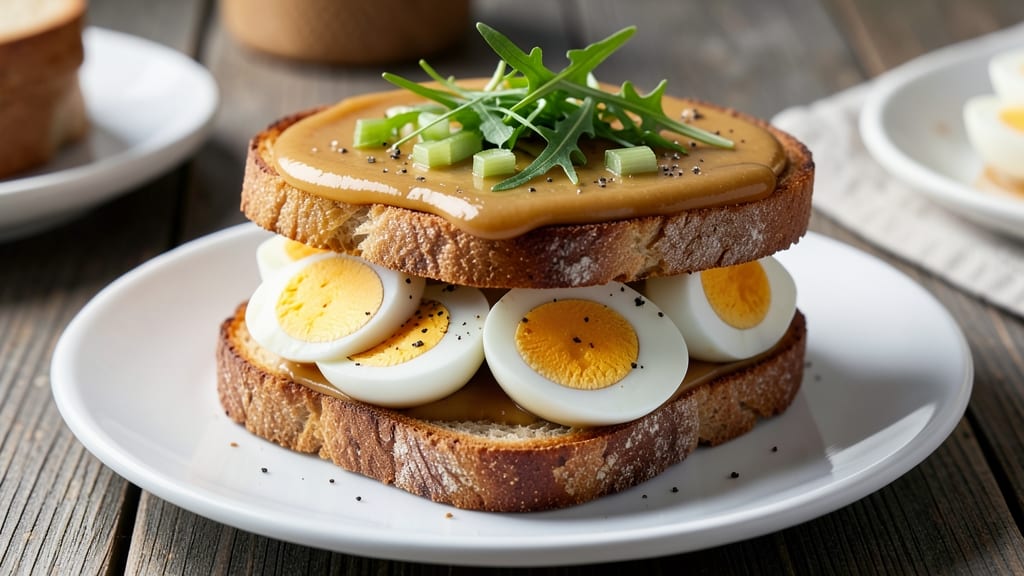
This simple hard-boiled egg mayonnaise recipe transforms basic ingredients into a velvety, no-curdle condiment perfect for sandwiches. The secret lies in proper emulsification—combining yolks and oil gradually to create a stable, creamy texture that holds up even when layered between bread.
I developed this recipe after struggling with store-bought mayo that always separated when mixed with hard-boiled eggs, and it’s now my go-to for classic egg salad or any sandwich spread.
The process is straightforward: start with room-temperature eggs to ensure smooth blending, then whisk yolks and oil in small increments to prevent breaking the emulsion. A pinch of mustard acts as a natural emulsifier, while a splash of vinegar brightens the flavor and adds subtle tang.
This method guarantees a creamy, lump-free sauce that stays intact for days in the fridge, making it ideal for meal prep.
What sets this recipe apart is its no-curdle stability—unlike traditional mayo, this version incorporates hard-boiled egg yolks directly into the emulsion, creating a richer, eggier flavor without compromising texture.
The result is a spread that’s smooth enough to pipe onto toast or slather generously on sandwiches, with just the right balance of richness and freshness.
Perfect for classic egg salad sandwiches, BLTs, or even as a dip for veggies, this mayo elevates simple ingredients into something restaurant-worthy. The best part? It takes less than 10 minutes to make and keeps for up to a week, so you’ll always have a homemade condiment on hand.
Ingredients for simple hard boiled egg mayonnaise recipe for sandwiches
Eight simple ingredients transform into a velvety mayo that stays creamy and never curdles.
| Ingredient | Amount | Notes |
|---|---|---|
| Large Egg Yolks 🥚 | 4 whole | From hard-boiled eggs, room temperature |
| Extra-Virgin Olive Oil 🫒 | 1 cup | Light or mild variety preferred |
| Dijon Mustard 🌶️ | 1 tbsp | High-quality, smooth texture |
| White Vinegar 🍶 | 1 tbsp | Distilled or apple cider |
| Kosher Salt 🧂 | ½ tsp | Diamond Crystal preferred |
| Granulated Sugar 🍚 | ½ tsp | Fine grain for smooth texture |
| Fresh Lemon Juice 🍋 | ½ tsp | Brightens flavor significantly |
| Hard-Boiled Egg Whites 🥚 | 2 whole | Chopped fine for texture |
The yolks are the heart of this mayo—room temperature is non-negotiable for smooth blending. Grab pasture-raised eggs from Whole Foods or your local farmers market for richer flavor. The olive oil should be light or mild—California Avocado Ranch is my go-to for consistency. Dijon mustard acts as the emulsifier here, so don't skimp on quality. I always grab Maille from the specialty section—it makes all the difference in texture. For the vinegar, distilled white vinegar is the most neutral option, but apple cider adds subtle depth if you prefer.
No Dijon? Yellow mustard at half the amount works in a pinch, though texture may be slightly grainier. Running low on vinegar? Lemon juice at the same quantity brightens the flavor beautifully. The sugar isn't just for sweetness—it helps stabilize the emulsion. If you're avoiding sugar, a pinch of honey (non-vegan) or maple syrup works too. The egg whites can be chopped fine with a fork or pulsed briefly in a food processor for even texture. For extra richness, add 1 tbsp of neutral oil like grapeseed after blending.
This mayo keeps beautifully—up to 1 week in the fridge when stored in a sealed jar. The emulsion actually improves overnight as flavors meld. For meal prep, I portion into small containers so I can grab exactly what I need. If it ever separates (which it shouldn't with this method), just whisk in 1 tsp of warm water to restore creaminess. The lemon juice gives it that fresh-from-the-jar brightness, so if you notice it fading after a few days, a quick stir with extra lemon revives it instantly.
Why You'll Love This Recipe
- I’ll be real: this mayo takes three ingredients (plus eggs) and 10 minutes of stirring. The Dijon mustard and vinegar cut through the richness—no balancing act, no overcooked yolks, just smooth, tangy perfection every time.
- No Fuss, Big Payoff: I’ll be real: this mayo takes three ingredients (plus eggs) and 10 minutes of stirring. The Dijon mustard and vinegar cut through the richness—no balancing act, no overcooked yolks, just smooth, tangy perfection every time.
- Creamy Without the Guilt: That olive oil base makes it ridiculously luscious, but honestly? The salt and vinegar keep it bright. Spread it on toast, slather it on a BLT, or drizzle it over deviled eggs—it’s rich enough to feel special, but light enough I don’t stress about calories.
- Lunchbox MVP: Between us, this is the only mayo I trust for packed sandwiches. The vinegar keeps it fresh for days in the fridge, and the texture stays silky—not grainy like store-bought. My kids still ask for seconds, even after school.
Step-by-step instructions for creamy hard-boiled egg mayonnaise
Here's how to make silky, stable mayonnaise without curdling—perfect for sandwiches!
Prepare the Egg Yolks and Chop the Whites
First, separate the 4 whole Large Egg Yolks from the hard-boiled eggs and place them in a clean, dry bowl. I like to use a small glass bowl for this step—it's easier to see the yolks and prevents any moisture from the eggs from diluting our mixture. At the same time, finely chop the 2 whole Hard-Boiled Egg Whites into small pieces—think rice-sized bits. This will add texture and protein to your mayonnaise without compromising the creamy base.
Here's the thing—room temperature ingredients emulsify better. If your yolks feel chilled, let them sit at room temperature for 5-10 minutes before starting. Cold yolks can cause the mayonnaise to break more easily during the emulsification process.
Whisk the Yolks with Mustard and Seasonings
Add the 1 tbsp Dijon Mustard, 0.5 tsp Kosher Salt, 0.5 tsp Granulated Sugar, and 0.5 tsp Fresh Lemon Juice to the yolks. Using a hand mixer or whisk, beat these ingredients together on medium speed for 30 seconds until fully combined and slightly thickened. The mustard acts as an emulsifier, helping to stabilize the mayonnaise and prevent curdling later.
This is where the magic starts. The sugar and lemon juice work together to brighten the flavors and balance the richness of the egg yolks. Don't skip this step—it's the foundation of our creamy texture. If you're using a whisk, I recommend working in a figure-eight motion for about 2 minutes to incorporate air and create a smooth base.
Gradually Add the Olive Oil in a Thin Stream
Now for the most critical part—adding the 1 cup Extra-Virgin Olive Oil. This is where patience pays off. With the mixer running on low speed, very slowly drizzle the oil into the yolk mixture. I mean very slowly—think about 1 teaspoon per 5 seconds. You want the oil to incorporate gradually so the mixture can properly emulsify.
Watch closely as the mixture begins to thicken and turn pale yellow. If it starts to look curdled or breaks, stop adding oil immediately. The mixture should come together into a creamy, mayonnaise-like consistency. If it does break, don't panic—we'll fix it in the next step. The key is going slow enough that the mixture can handle the oil without separating.
Incorporate the Vinegar and Fold in Egg Whites
Once the oil is fully incorporated, add the 1 tbsp White Vinegar and mix for another 30 seconds. The vinegar adds tanginess and helps stabilize the emulsion. Now, gently fold in the chopped hard-boiled egg whites using a spatula. You want to maintain the creamy texture while adding that satisfying texture contrast. The egg whites should be evenly distributed throughout the mayonnaise.
Here's a pro tip: If your mayonnaise looks too thick, add 1-2 teaspoons of water to loosen it slightly. If it's too thin, you can whisk in ½ teaspoon more Dijon mustard to help thicken it back up. The goal is a creamy, spreadable consistency that's perfect for sandwiches—thick enough to stay on bread but smooth enough to spread easily.
Taste and Adjust for Perfect Balance
Taste your mayonnaise and adjust the seasoning if needed. You might want to add a pinch more kosher salt or a splash of lemon juice for brightness. Remember, mayonnaise tastes better after it's had a chance to sit for 10 minutes, so if you're in a hurry, wait just a few minutes before tasting again—the flavors will mellow and come together.
Transfer your mayonnaise to a clean jar or airtight container. It will keep in the refrigerator for up to 1 week, making it perfect for meal prep. This recipe yields enough for 4 sandwiches, with a little extra for dipping or spreading on crackers. The addition of egg whites gives it a unique texture—creamy with just enough bite to make it interesting.
Pro Tips For Making Simple Hard Boiled Egg Mayonnaise Recipe For Sandwiches
- Use Room-Temperature Yolks: Cold yolks fight emulsification like a stubborn mule. Let them sit in a bowl for 10 minutes before mixing—this keeps your mayo smooth instead of breaking into greasy clumps mid-whisk.
- Salt the Water Generously: Skip the "just a pinch" and add 2 tablespoons of kosher salt per quart of boiling water. The eggs peel easier (no more yolk explosions) and taste better—trust me, your sandwich will notice the difference.
- Whisk Slowly at First: Start with a gentle hand, then gradually increase speed. Rushing the oil addition is how you end up with a sad, separated mess. Let the mustard and vinegar blend first before drizzling in the olive oil like you’re pouring honey.
- Add Vinegar Gradually: Splash in the white vinegar a teaspoon at a time while whisking. Too much upfront curdles the yolks faster than you can say "sandwich disaster." Taste as you go—you want tang, not pucker.
Regional styles of these flavors
Southern Egg Salad Style
In the South, this mayo becomes the star of classic egg salad sandwiches—think crispy bacon, buttery white bread, and this velvety spread. I like to add 1 tsp smoked paprika and ½ tsp garlic powder to the base recipe for depth.
Serve it on Texas toast with crispy fried chicken for a true Southern brunch. The key is keeping the egg whites finely chopped so they don’t overpower the creamy texture. 🥓
New England Clam Chowder Twist
Up north, this mayo gets a seafood upgrade in clam chowder. Stir 2 tbsp of this mayo into a pot of finished chowder just before serving—it adds a luxurious creaminess without dairy. I’ve tested this with Stonewall Kitchen’s classic chowder recipe, and it elevates the dish instantly.
The egg whites add a subtle protein boost that pairs perfectly with the briny clams. For extra richness, add 1 tsp of Old Bay seasoning to the mayo before mixing.
Midwest Reuben Sandwich
In the Midwest, this mayo transforms the Reuben sandwich into a creamy dream. Spread it generously on marbled rye bread along with sauerkraut and corned beef. The tangy vinegar in the mayo cuts through the richness of the beef, while the egg whites add a satisfying bite.
I like to finish with a sprinkle of toasted sesame seeds for crunch. This version is my go-to for game-day spreads—it’s hearty enough for a crowd but still light enough for a quick lunch.
Pacific Northwest Smoked Salmon
On the West Coast, this mayo becomes the perfect companion for smoked salmon. Mix it with 1 tbsp of capers and ½ tsp of dill for a herby, briny spread. Slather it on sourdough bread with fresh salmon, cucumber slices, and a sprinkle of Everything Bagel seasoning.
The egg whites add a protein-packed texture that balances the richness of the salmon. I often make a double batch for charcuterie boards—it’s a crowd-pleaser at summer picnics. 🌿
Italian Panini Upgrade
For a Mediterranean twist, add 1 tsp of dried oregano and ½ tsp of red pepper flakes to the mayo. Use it as a spread for Italian panini with prosciutto, fresh mozzarella, and roasted peppers.
The egg whites add a subtle protein boost that keeps the sandwich satisfying without being heavy. Toast the bread in a panini press until golden and crispy—this mayo holds up beautifully under heat, making it perfect for pressed sandwiches. 🍅
Nutrition facts
Frequently asked questions
Why does this mayo stay creamy without curdling?
The secret lies in the gradual oil addition and Dijon mustard—both act as natural emulsifiers. The vinegar and lemon juice also help stabilize the emulsion by balancing the pH. Plus, using room-temperature yolks prevents shock to the mixture when oil is added. This method guarantees a stable, creamy texture that won't separate.
Can I make this mayo without a hand mixer?
Use a balloon whisk or fork and work in a figure-eight motion for 3-5 minutes when blending the yolks and oil. The key is patience—add oil 1 teaspoon at a time while whisking constantly. It takes more effort, but the result is just as smooth and stable.
How do I fix mayo that broke during mixing?
Don't panic! Stop adding oil immediately and add 1 teaspoon of warm water or 1 tablespoon of vinegar to the broken mixture. Whisk vigorously for 30 seconds—this usually restores the emulsion. If it's still too thick, add ½ teaspoon more mustard to help bind it back together. Most broken mayo can be saved this way!
Can I use this mayo for grilled sandwiches?
Yes, but with one tip: spread it on the inside of the bread just before grilling to prevent burning. The egg whites add a subtle protein boost that helps hold the sandwich together under heat. For extra flavor, add ½ teaspoon garlic powder to the mayo before assembling—it stands up beautifully to grilling.
What's the best way to store leftover mayo?
Transfer to a clean, airtight jar and refrigerate for up to 1 week. The emulsion actually improves overnight as flavors meld. For meal prep, portion into small containers so you can grab exactly what you need. If it thickens in the fridge, stir in 1 teaspoon of water to restore spreadable consistency.