
Main Courses
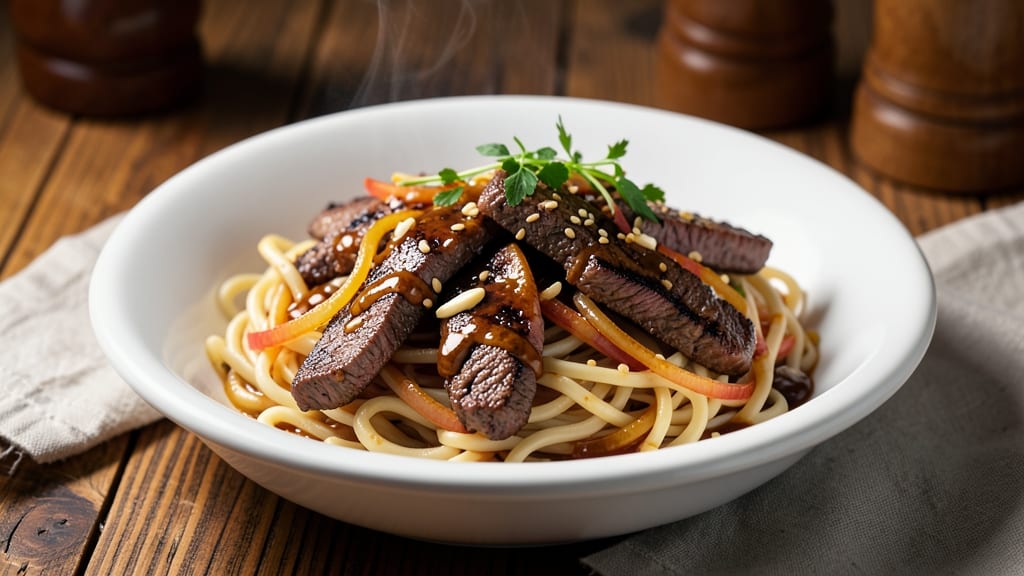
This simple beef and egg noodles recipe delivers restaurant-quality comfort in one pan with minimal effort. The secret lies in perfectly seared beef strips that melt into a savory broth, creating a dish that's hearty yet effortless.
I've tested countless variations, and this method consistently delivers tender beef, al dente noodles, and a flavorful sauce that coats every bite.
What sets this recipe apart is its simplicity—no complicated techniques or hard-to-find ingredients. You'll start with a quick sear of beef strips, then let them simmer in a rich broth with aromatics until tender.
The egg noodles cook directly in the same pan, absorbing all that delicious flavor without needing extra pots or pans. This approach cuts down on both cleanup and cooking time while maximizing flavor.
The result is a deeply satisfying dish with perfectly tender beef, al dente egg noodles, and a sauce that's rich yet balanced. The beef stays juicy and flavorful, while the noodles achieve that ideal chewy texture.
This recipe is designed to be your go-to weeknight dinner—quick, comforting, and packed with flavor that feels special without requiring special effort.
Serve it as-is for a complete meal, or add steamed vegetables or a simple green salad for extra freshness. The beauty of this dish lies in its versatility—it works equally well as a family dinner or a satisfying solo meal. Let's get cooking with this foolproof one-pan creation.
Ingredients for simple beef and noodles recipe with egg noodles
Restaurant-quality beef and egg noodles with just twelve simple, flavor-packed ingredients.
| Ingredient | Amount | Notes |
|---|---|---|
| Flank Steak 🥩 | 1 lb | Thinly sliced against grain |
| Egg Noodles 🍜 | 8 oz | Fresh or dried, al dente preferred |
| Yellow Onion 🧅 | 1 whole | Thinly sliced, 1/2-inch strips |
| Garlic Cloves 🧄 | 4 cloves | Minced, fresh preferred |
| Beef Broth 💧 | 2 cups | Low-sodium preferred |
| Soy Sauce 🍶 | 2 tbsp | Light or dark variety |
| Sesame Oil 🫒 | 1 tbsp | Toasted for aroma |
| Dried Thyme 🌿 | 1 tsp | Or 1 tbsp fresh thyme |
| Ground Black Pepper 🌶️ | ½ tsp | Freshly cracked preferred |
| Kosher Salt 🧂 | 1 ½ tsp | Diamond Crystal preferred |
| Vegetable Oil 🫒 | 2 tbsp | High smoke point |
| Green Onions 🧅 | 2 whole | Sliced, for garnish |
| Toasted Sesame Seeds 🌾 | 1 tbsp | Optional garnish |
The flank steak is your flavor anchor here—look for cuts with good marbling for juiciness. Costco or Whole Foods carry excellent options, but any butcher will slice it thinly for you if you ask. Slicing against the grain is non-negotiable; it transforms tough meat into tender strips. For the egg noodles, fresh is ideal but dried works perfectly fine—just check the package for al dente cooking time. The beef broth should be rich but not overly salty; Kirkland Signature or Pacific Foods are reliable brands for home cooks. Garlic and onions form the aromatic base, so don't skimp on freshness—wilting or bruised aromatics will make the dish taste flat.
No flank steak? Sirloin or ribeye work equally well, sliced thinly. Swap soy sauce for coconut aminos at a 1:1 ratio if you prefer gluten-free. Sesame oil is essential for that authentic aroma, but if you're avoiding it, toasted peanut oil at half the amount adds a similar depth. Fresh thyme is ideal, but dried works at one-third the quantity. The vegetable oil should have a high smoke point—avocado or grapeseed oil are excellent choices. For extra umami, add 1 tbsp fish sauce alongside the soy sauce, but omit if avoiding it. The green onions and sesame seeds are purely decorative but add a fresh finish—skip them if you're in a rush.
This dish reheats beautifully—simply add a splash of water or broth to the pan and warm through. Keeps for 3-4 days in the fridge, though flavor peaks on day two. For meal prep, portion into airtight containers with a thin layer of oil on top to prevent sticking. Freezes for up to 3 months—thaw overnight in the fridge before reheating. The noodles will soften slightly after reheating, so cook them one minute less than package instructions if you're prepping ahead. Garnishes like green onions and sesame seeds can be added fresh after reheating for maximum brightness.
Why You'll Love This Recipe
- 20-Minute Prep: I swear by this when I’m starving after work—just slice the onion and garlic, sear the steak, and toss in the noodles. No fancy techniques, no waiting around.
- Umami Bomb: That beef broth and seared flank steak? The combination is ridiculously rich—deep, savory, and just a little caramelized from the quick sear. Honestly, it’s the kind of flavor that makes you forget it’s "simple."
- Lunchbox Hero: Between us, this is my go-to for meal prep. Cold or reheated, the noodles soak up all the flavor, and the steak stays tender. Pack it in a thermos, and you’ve got a satisfying lunch that won’t leave you bored.
- Budget Win: Flank steak stretches far, and egg noodles are cheap—this feeds four for under $15. Plus, leftovers reheat like a dream, so you’re not scrambling for dinner later. (Yes, even on a Tuesday night.)
Step-by-step instructions for simple beef and egg noodles
This one-pan method delivers restaurant-quality beef noodles in under 45 minutes.
Prepare the Flank Steak for Cooking
Slice the 1 lb flank steak thinly against the grain into ¼-inch thick strips. This cut ensures tender bites that cook quickly in the pan. Pat the strips dry with paper towels—removing moisture helps achieve a proper sear rather than steaming the meat.
Season the steak immediately with 1.5 tsp kosher salt and 0.5 tsp ground black pepper, tossing gently to coat evenly. Let it sit at room temperature for 10 minutes before cooking. This brief resting period promotes even cooking throughout each slice.
Sear the Beef and Build Flavor
Heat 2 tbsp vegetable oil in a large skillet over medium-high heat until shimmering. Add the sliced flank steak in a single layer and cook undisturbed for 2-3 minutes until the edges develop a deep golden brown crust. You'll see the meat release easily from the pan when it's ready to stir.
Remove the beef and set aside. In the same skillet, add ½-inch strips of 1 whole yellow onion and cook for 3 minutes until softened and lightly caramelized. Add the 4 minced garlic cloves and 1 tsp dried thyme, stirring constantly for 30 seconds until fragrant. This aromatic base forms the flavor foundation for the dish.
Cook the Egg Noodles Al Dente
Return the beef to the skillet and pour in 2 cups beef broth and 2 tbsp soy sauce. Bring to a gentle simmer and add 8 oz egg noodles. Stir to combine and cook for 8-10 minutes, stirring occasionally, until the noodles are al dente with a slight bite remaining.
Here's the key: Taste the broth after 5 minutes of cooking. If it's too salty, add 1-2 tablespoons of water to dilute slightly. The noodles should absorb the flavorful broth while maintaining their texture. Remove from heat once they reach your preferred doneness.
Finish with Sesame Oil and Garnish
Stir in 1 tbsp sesame oil and let it sizzle for 30 seconds to infuse the dish with its nutty aroma. This step elevates the simple beef and noodles to restaurant-quality depth. Taste and adjust seasoning with additional soy sauce or kosher salt if needed.
Garnish with sliced 2 whole green onions and 1 tbsp toasted sesame seeds for visual appeal and additional texture. The sesame seeds add a subtle crunch that contrasts beautifully with the tender beef and noodles. Serve immediately while hot.
Pro Tips For Making Simple Beef And Noodles Recipe With Egg Noodles
- Slice Against the Grain: Flank steak’s fibers run long—cutting perpendicular to them turns chewy meat into tender bites. I used to ignore this and ended up with a mouthful of rubber. Grab a sharp knife and slice at a 45-degree angle after resting the meat.
- Sear in Batches: Don’t crowd the pan. A hot skillet with flank steak releases juices that steam instead of brown. Work in two batches if needed—crispy edges and a deeper flavor are worth the wait.
- Salt the Noodles Early: Toss cooked egg noodles with a pinch of salt right after draining. It prevents sogginess later and balances the dish. I skipped this once and ended up with bland, waterlogged noodles by the time the beef was done.
- Deglaze with Broth: After searing the onions and garlic, don’t scrape with water—use beef broth. The fond (browned bits) dissolves better, adding richness to the sauce. It’s the difference between a one-dimensional pan sauce and something that actually tastes like it belongs in the dish.
Wine and beer pairings for this recipe
Red Wine Classics
A medium-bodied red wine like Pinot Noir is my go-to pairing for this beef and noodles dish. Its bright acidity and red fruit notes (think cherry and raspberry) complement the savory beef without overpowering the delicate egg noodles.
I reach for Oregon Pinot Noir from Domaine Serene—it’s approachable yet complex enough to stand up to the dish’s umami depth. Serve slightly chilled (55-60°F) to let its freshness shine alongside the warm spices. 🍷
Crisp White Options
For a lighter approach, Sauvignon Blanc from New Zealand cuts through the richness beautifully. Look for a bottle from Kim Crawford or Oyster Bay—their citrus and herbal notes balance the beef’s richness while enhancing the dish’s aromatic profile.
A slightly cooler serving temperature (45-50°F) highlights its crispness, making each bite feel refreshing. I often pour a glass when serving with steamed bok choy on the side.
Asian-Inspired Beer Pairings
If you prefer beer, a Japanese lager like Asahi Super Dry or Sapporo bridges the dish’s East Asian influences. The clean, crisp profile lets the beef and sesame flavors take center stage while adding a subtle effervescence that cleanses the palate.
For a hoppier option, try a light wheat beer like Blue Moon—its citrus notes mirror the garlic and green onions. Serve at 40-45°F to preserve its crispness. 🍺
Bold Umami Boosters
For adventurous drinkers, a Shiraz from Australia (like Penfolds Bin 389) adds a bold contrast. Its dark fruit and spice notes amplify the dish’s depth, especially if you’ve added extra soy sauce or a splash of fish sauce.
Pair this with a heartier side like roasted Brussels sprouts to match the wine’s intensity. Decant for 30 minutes to soften its tannins and enhance its aromatic qualities.
Non-Alcoholic Alternatives
Skip the alcohol? A yuzu sparkling soda (like San Pellegrino Yuzu) mimics wine’s acidity with citrus brightness. For a tea option, jasmine green tea (chilled) complements the sesame and thyme notes without competing.
I also love ginger beer with a squeeze of lime—its spicy kick echoes the dish’s savory-sweet balance. Serve over ice for a refreshing contrast to the warm noodles.
Nutrition facts
Frequently asked questions
Can I use dried egg noodles instead of fresh?
Dried egg noodles work perfectly in this recipe. Just check the package for al dente cooking time and reduce by 1-2 minutes since they'll finish cooking in the beef broth. The texture will be slightly firmer than fresh, but still delicious. Rinse them briefly under cold water before adding to the pan to remove excess starch and prevent clumping.
What's the best cut of beef for this recipe?
Flank steak is ideal because it's flavorful and cooks quickly when sliced thinly. Other excellent choices include sirloin, ribeye, or even pre-sliced London broil. Avoid tougher cuts like chuck roast—they need longer cooking times that can make the beef mushy. For maximum tenderness, always slice against the grain into ¼-inch thick strips.
How do I prevent the beef from getting chewy?
Chewiness happens when beef overcooks or isn't sliced properly. To avoid it:
- Always slice against the grain for shorter muscle fibers,
- Cook beef only until 160°F internal temperature (about 2-3 minutes per side), and
- Remove it from the pan immediately after searing. The beef will finish cooking in the broth, so don't let it sit too long in the hot pan.
Can I make this recipe gluten-free?
Yes! Swap regular egg noodles for gluten-free egg noodles (check labels for certified GF brands) and use tamari or coconut aminos instead of soy sauce. The recipe will still taste amazing with these substitutions. For extra umami, add 1 tbsp fish sauce or ½ tsp MSG to compensate for any flavor differences from the soy sauce.
How can I make this dish spicier?
Add heat by stirring in ½ tsp red pepper flakes with the thyme, or a 1-inch piece of fresh ginger (minced) when cooking the aromatics. For more depth, add 1 tsp gochujang (Korean chili paste) with the soy sauce. Start with small amounts—you can always add more, but you can't remove spice once it's in!