
Breakfast & Brunch
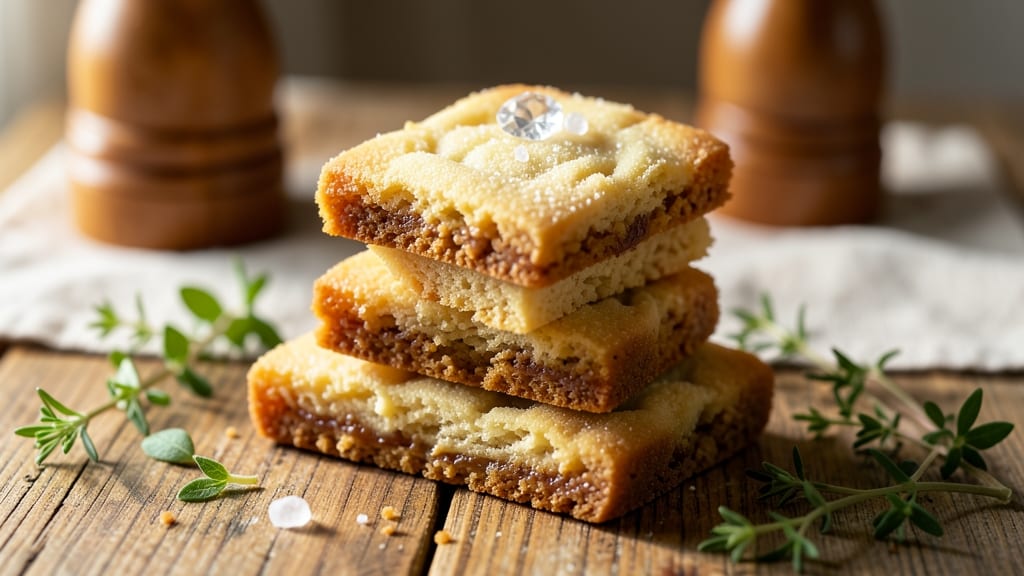
This shortbread cookie recipe with egg yolk delivers the perfect balance of buttery crunch and tender golden centers that melt in your mouth. The secret lies in the egg yolk, which adds richness and structure while keeping the texture impossibly delicate.
I've perfected this recipe over years of baking, ensuring every bite is crisp at the edges and velvety inside.
The magic happens with a simple dough made from just five ingredients: flour, butter, sugar, and that crucial egg yolk. The butter must be cold but workable, creating flaky layers that bake into crisp edges.
Shaping the dough gently prevents toughness, while baking at a precise temperature ensures even golden browning without burning.
What you'll end up with is a batch of shortbread cookies that are elegant enough for holiday gifts but simple enough for a weeknight treat. The egg yolk contributes a subtle richness that makes these cookies stand out from basic buttery shortbread.
They stay fresh for days in an airtight container, making them perfect for baking ahead.
These cookies shine as a sophisticated tea-time accompaniment or elegant dessert. The buttery aroma alone will have everyone asking for the recipe. Let's get baking—your kitchen will smell like holiday magic in just 15 minutes of prep time.
Ingredients for shortbread cookie recipe with egg yolk
Five simple ingredients transform into delicate shortbread cookies with golden centers.
| Ingredient | Amount | Notes |
|---|---|---|
| All-Purpose Flour 🌾 | 2 cups | Sifted for light texture |
| Unsalted Butter 🧈 | 1 cup | Cold but workable temperature |
| Granulated Sugar 🍚 | ½ cup | Superfine preferred for smoothness |
| Large Egg Yolk 🥚 | 1 whole | Freshly separated from white |
| Diamond Crystal Kosher Salt 🧂 | ½ tsp | Fine grain preferred |
The butter is non-negotiable here—European-style or Plugrá brands melt beautifully for flaky layers. Grab it from the refrigerated section at Whole Foods or any high-quality grocery store. Keep it cold until ready to mix, but not rock-hard. The flour should be sifted before measuring to avoid dense cookies. I always use King Arthur flour for its consistent quality, but any all-purpose works. The sugar matters too—superfine dissolves better, but regular granulated is fine if you pulse it briefly in a food processor.
No egg separator? Freeze the egg whole, then crack it—the white will stay in the shell. Short on butter? Vegetable shortening works in a pinch, but the flavor won't be as rich. The salt is crucial—Diamond Crystal is my go-to because it dissolves completely. If you only have table salt, use half the amount. For a festive touch, add 1 tsp vanilla extract or zest of 1 lemon to the dough. The dough should hold together when pressed but not be sticky—if it's too dry, add 1 tsp cold water.
Wrap the dough in plastic wrap and chill for at least 1 hour—this prevents spreading during baking. Portion into 1-inch balls and flatten slightly with your palm. Bake at 325°F for 12-15 minutes until edges are golden. Cool on the baking sheet for 5 minutes before transferring—they'll firm up as they cool. Store in an airtight container for up to 5 days or freeze for 3 months. Reheat briefly in the oven to restore crispness.
Why You'll Love This Recipe
- Butter-Soft Magic: The egg yolk here? That’s the secret weapon—it keeps them tender without being greasy, and the butter stays just firm enough to cut cleanly. No chilling dough for hours; I press mine into a pan, bake, and they’re ready in 20 minutes.
- Pantry Staple Luxury: Honestly, these taste like you slaved over them, but it’s all flour, sugar, and butter with a little salt. The sugar caramelizes into that signature golden crust, while the yolk adds this subtle richness that makes them irresistible. (Yes, even on a Tuesday night.)
- Holiday or Snack Attack: I’ve used these for Christmas gifts, tea pairings, or just because I wanted something crunchy with my coffee. Cut into squares, dip in chocolate, or leave them whole—they’re equally at home on a fancy platter or a kid’s lunchbox.
- No-Waste Win: Between us, this recipe uses the whole egg yolk (no waste!) and makes a batch that lasts. Store them in an airtight container, and they’ll stay fresh for days. Plus, the leftovers? Perfect for crushing into pie crusts or ice cream toppings.
Step-by-step instructions for shortbread cookies with egg yolk
Here's the precise method for achieving that signature buttery crunch with tender centers.
Cream Cold Butter and Sugar Together
Place the 1 cup unsalted butter in a stand mixer fitted with the paddle attachment. I like to use cold butter that's still workable—it should hold its shape but yield slightly when pressed. Add the 0.5 cup granulated sugar and mix on low speed for 2-3 minutes until the mixture becomes light and fluffy.
The butter should turn pale and nearly double in volume. This creaming process incorporates air, which creates those signature pockets in shortbread that melt into silky centers. If your butter is too soft, chill the bowl for 10 minutes before continuing—this prevents the dough from spreading too much in the oven.
Add Egg Yolk and Salt for Binding
Add the 1 whole large egg yolk and 0.5 teaspoon diamond crystal kosher salt to the butter-sugar mixture. Mix on low speed for 1-2 minutes until fully combined. The yolk acts as a binder, helping the dough hold together while adding richness that complements the buttery flavor.
At this stage, the mixture should look like wet sand—cohesive but still crumbly. If it appears too dry, you can add 1-2 teaspoons of ice water to help the dough come together. Avoid overmixing; you want to maintain that tender texture that defines perfect shortbread.
Gradually Incorporate the Flour
With the mixer running on low speed, gradually add the 2 cups all-purpose flour through the feed tube. Mix just until the dough comes together—about 30 seconds to 1 minute. The dough should be smooth, slightly crumbly, and hold its shape when pressed.
This is where precision matters. Overmixing develops gluten, which can make the cookies tough. Instead, use a light touch and stop as soon as the flour is fully incorporated. The dough should be cool to the touch—if it feels warm, chill it for 15 minutes before proceeding.
Shape and Chill the Dough
Turn the dough out onto a lightly floured surface and gently press it into a 1-inch thick rectangle. Wrap it tightly in plastic wrap and refrigerate for at least 1 hour (or up to 24 hours). Chilling firms up the butter, which prevents excessive spreading in the oven and ensures clean edges.
This resting period also allows the flour to fully hydrate, resulting in a more tender cookie. I like to press the dough into a uniform shape before chilling—this makes slicing easier later. If you're short on time, you can freeze the dough for 30 minutes instead, but chilling in the fridge yields the best texture.
Bake to Golden Perfection
Preheat your oven to 325°F and line a baking sheet with parchment paper. Using a sharp knife or bench scraper, cut the chilled dough into ½-inch thick slices. Arrange the slices 1 inch apart on the prepared baking sheet—they won't spread much, but this spacing ensures even baking.
Bake for 20-25 minutes until the edges are golden brown and the centers look slightly underbaked. The cookies should feel firm to the touch but still soft in the middle. Rotate the baking sheet halfway through for even browning. Let the cookies cool on the baking sheet for 10 minutes before transferring to a wire rack to cool completely.
The result should be cookies with a crisp, buttery exterior and a tender, crumbly interior. Serve them warm for the best texture, or store in an airtight container for up to 5 days. These shortbread cookies pair beautifully with tea or coffee, delivering that classic buttery crunch with every bite.
Pro Tips For Making Shortbread Cookie Recipe With Egg Yolk
- Chill the Dough First: I learned this the hard way—skipping the fridge means cookies that spread like pancakes. Wrap the dough in plastic and stash it for at least 30 minutes (or up to 48 hours if you're prepping ahead). The cold butter stays firm, and your cookies hold their shape better. Trust me, the extra wait makes all the difference.
- Use Room-Temp Butter: Cold butter from the fridge won’t cream properly, and you’ll end up with a gritty texture. Let that block sit out for 30-45 minutes until it’s soft enough to dent with a finger but not greasy. If you’re in a rush, microwave it for 10 seconds—just don’t overdo it, or your cookies turn out greasy.
- Don’t Overmix the Dough: Once the butter and sugar are creamy, toss in the flour and salt in one go. Stir just until combined—overmixing develops gluten, and your shortbread turns out dense instead of tender. A few lumps are fine; they’ll disappear when baked. I’ve ruined batches by treating this like bread dough.
- Cut Butter Blocks Precisely: Measure your butter by volume (cups) first, then cut it into even ½-inch slices for accurate weight. Uneven chunks throw off the butter-to-flour ratio, and your cookies can turn out greasy or dry. I use a bench scraper to slice mine—clean cuts every time, no guesswork.
Health benefits of shortbread cookie recipe with egg yolk
Rich Butter Benefits
The 1 cup unsalted butter in this recipe provides healthy fats that support brain function and energy levels. Butter contains vitamin A, which supports vision and immune health, and vitamin E, a powerful antioxidant.
The European-style butter (like Plugrá) used here has a higher fat content, which enhances the cookie's melt-in-your-mouth texture while delivering 105 calories per tablespoon of concentrated energy. 💪
Egg Yolk Nutrition
The 1 large egg yolk adds not just flavor but also cholesterol-free protein and essential nutrients like vitamin D and B vitamins. Egg yolks are packed with lutein and zeaxanthin, antioxidants that support eye health.
The yolk’s natural lecithin helps create a tender crumb, while its fat content contributes to the cookie’s rich mouthfeel. A single yolk provides 6% of your daily iron, supporting energy and oxygen transport in your body.
Whole Grain Advantage
While this recipe uses all-purpose flour, swapping in ½ cup whole wheat flour boosts fiber content by 3 grams per serving, aiding digestion and keeping you full longer. Whole wheat flour also adds B vitamins and magnesium, which help regulate blood sugar.
For a lighter texture, I recommend mixing 1 cup all-purpose with 1 cup cake flour—this reduces gluten development while keeping the cookies tender. 🌾
Moderate Sugar Balance
The ½ cup granulated sugar provides quick energy without overpowering the buttery flavor. Unlike refined sugars, this amount fits within the American Heart Association’s recommendation of 25 grams (6 tsp) per day for women and 36 grams (9 tsp) for men.
For a lower-sugar option, reduce to ¼ cup and add 1 tsp vanilla extract to enhance sweetness naturally. The sugar also helps create the Maillard reaction during baking, giving the edges that signature golden crunch.
Salt for Balance
The ½ teaspoon Diamond Crystal kosher salt isn’t just for flavor—it enhances the buttery taste and balances sweetness. Kosher salt’s coarse grains dissolve evenly, preventing clumping. This small amount also supports electrolyte balance in your body, which is crucial for muscle function and hydration.
For a low-sodium version, reduce to ¼ teaspoon—just be mindful that the flavor may be slightly milder. 🧂
Nutrition facts
Frequently asked questions
Why does this recipe use only egg yolk instead of whole eggs?
The egg yolk creates a richer, more tender texture while avoiding a chewy consistency that whole eggs can introduce. The yolk's natural fats and emulsifiers help bind the butter and flour without adding moisture from the egg white, which keeps the cookies crisp at the edges and crumbly inside. This is a classic shortbread technique that dates back to Scottish baking traditions.
Can I make these cookies without a stand mixer?
Use a fork or your hands to cream the cold butter and sugar in a bowl. Work quickly and press the butter with the back of the fork until it becomes light and fluffy. For the flour, gently fold it in with a rubber spatula until just combined. The key is to keep everything cold and work efficiently to avoid overmixing.
How do I prevent my shortbread from spreading too much?
Chilling the dough for at least 1 hour is critical—this firms up the butter and prevents excessive spreading. Use a sharp knife to cut the dough into slices and place them on the baking sheet with 1 inch of space between each. Bake at 325°F for 20-25 minutes until just golden—underbaking slightly helps maintain shape.
What's the best way to store these cookies?
Keep them in an airtight container at room temperature for up to 5 days, or freeze for 3 months for maximum freshness. To restore crispness, warm in a 300°F oven for 3-5 minutes. The egg yolk helps them stay tender longer, but they're best enjoyed fresh from the oven.
Can I add flavorings like vanilla or citrus zest?
Yes! Add 1 teaspoon vanilla extract or zest of 1 lemon when mixing the dough for a subtle flavor boost. For stronger flavors, reduce the sugar slightly to ¼ cup to balance. The egg yolk's richness pairs beautifully with these additions, creating a more complex flavor profile while maintaining the classic shortbread texture.