
Breakfast & Brunch
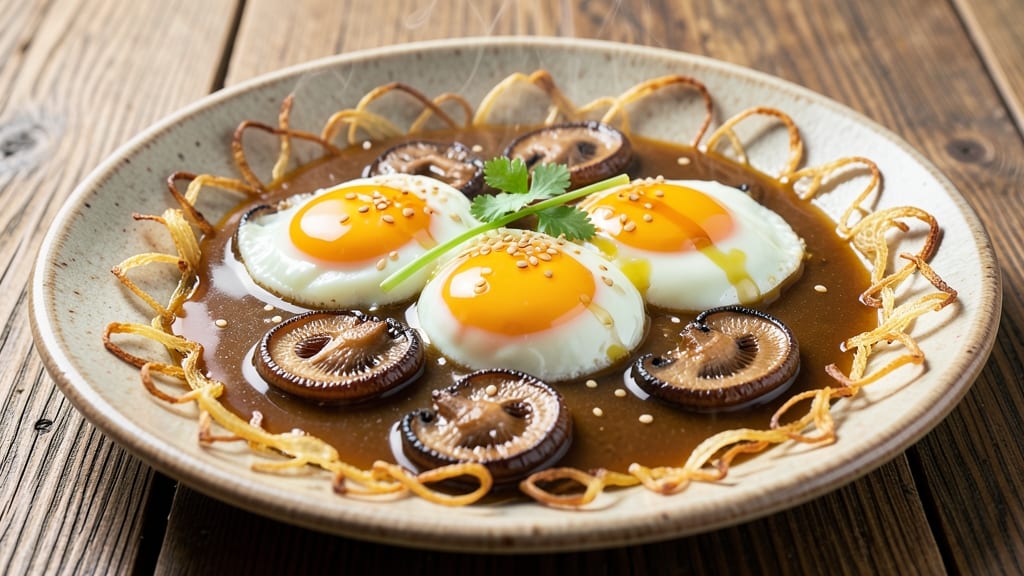
This shiitake mushroom egg recipe transforms a simple breakfast into a savory masterpiece with just 10 minutes of active time. The secret lies in properly prepping shiitake mushrooms—slicing them thin and sautéing until their umami essence intensifies—before combining them with eggs for a dish that's both restaurant-worthy and effortlessly homemade.
I developed this recipe after realizing how often breakfast gets overlooked for flavor, and this solution delivers depth without complexity.
The technique is straightforward but critical: cook the mushrooms until deeply caramelized, then set them aside while you scramble eggs with a touch of soy sauce and sesame oil. When combined, the mushrooms release their earthy richness into the eggs, creating a texture that's creamy yet substantial.
This isn't your typical fluffy scramble—it's a savory, protein-packed meal that holds its own against any brunch spread.
What makes this dish truly special is how versatile it is. Serve it as a hearty breakfast with toasted sourdough and pickled vegetables, or let it shine as a light lunch with a side of steamed jasmine rice.
The umami from the shiitake mushrooms elevates the eggs, making every bite more satisfying than the last. The best part? It comes together faster than most coffee orders, proving that gourmet breakfasts don't require gourmet time.
For those who love customization, this recipe adapts beautifully—add a sprinkle of scallions, a dash of chili flakes, or a handful of baby spinach for extra freshness. The key is balancing the flavors so the mushrooms remain the star while still complementing the eggs perfectly.
Let's get cooking with a breakfast that feels like a celebration, not a chore.
Ingredients for shiitake mushroom egg
Transform ordinary eggs into umami-rich perfection with these 13 thoughtfully chosen ingredients.
| Ingredient | Amount | Notes |
|---|---|---|
| Fresh Shiitake Mushrooms 🍄 | 8 oz | Stems removed, sliced thin |
| Large Eggs 🥚 | 6 whole | Room temperature preferred |
| Extra-Virgin Olive Oil 🫒 | 2 tbsp | For high-heat sautéing |
| Vegetable Stock 💧 | ¼ cup | Low-sodium preferred |
| Tamari or Soy Sauce 🍶 | 1 tbsp | Gluten-free tamari for GF option |
| Sesame Oil 🫒 | ½ tbsp | Toasted sesame preferred |
| Fresh Garlic 🧄 | 3 cloves | Minced for aromatic base |
| Green Onions 🧅 | 3 whole | Sliced, for garnish |
| Diamond Crystal Kosher Salt 🧂 | ½ tsp | Adjust to taste |
| Freshly Ground Black Pepper 🌶️ | ¼ tsp | Cracked peppercorns preferred |
| Toasted Sesame Seeds 🌾 | 1 tsp | For finishing touch |
| Fresh Ginger 🌿 | 1 tsp | Grated, optional for depth |
| Sourdough Bread 🍞 | 4 slices | For serving, optional |
The shiitake mushrooms are the heart of this dish—fresh, organic varieties from Whole Foods Market or local farmers markets deliver the deepest umami flavor. Look for mushrooms with tightly closed caps and minimal stem exposure, as these are the most tender and flavorful. If using dried shiitake, rehydrate them first in warm water for 20 minutes, then pat dry before slicing. The extra-virgin olive oil should be cold-pressed and have a fruity aroma; California Olive Ranch or Colavita are excellent choices for high-heat sautéing without burning. For the garlic, freshly minced just before cooking preserves its pungent, aromatic qualities—never pre-minced from a jar.
No tamari on hand? Regular soy sauce works in a pinch, though it may have a slightly different depth of flavor. Substitute the sesame oil with toasted sesame oil from Trader Joe's for that nutty aroma, but avoid the lighter, less flavorful varieties. The vegetable stock can be swapped for white wine or dry sherry if you prefer a more complex base, though the umami from the mushrooms will still shine. For extra richness, add 1 tbsp of nutritional yeast when combining the eggs and mushrooms. If you're short on time, pre-sliced shiitake mushrooms from the refrigerated section at Kroger or Publix work perfectly—just ensure they're fresh and firm to the touch.
Shiitake mushrooms keep best in a paper bag in the refrigerator for up to 5 days, but their flavor peaks within the first 24 hours. The freshly cracked black pepper should be stored in an airtight container away from light, while the sesame seeds and sesame oil last for 6-12 months in a cool, dark pantry. Prep the mushrooms and garlic ahead of time—they can sit in the fridge for 1 day before cooking without losing flavor. For meal prep, store the cooked egg mixture in glass containers with a thin layer of olive oil on top to preserve freshness for 3-4 days. Reheat gently in a skillet over low heat to maintain texture.
Why You'll Love This Recipe
- Five-Ingredient Magic: I swear by this recipe when I’m too tired to think. Sauté shiitakes in olive oil until they’re golden, crack eggs right into the pan, and let the tamari do its savory thing—no measuring cups, no stress.
- Umami Bomb: That first bite? The mushrooms soak up the stock and tamari, turning the eggs into little flavor bombs—earthy, salty, with a crispy edge that’s impossible to resist. (Yes, even on a Tuesday night.)
- Lunchbox Hero: Between us, these eggs reheat like a dream. Pack them cold for work or toss them in a thermos for a warm, satisfying lunch—no sad office salad here.
- Budget Flex: Fresh shiitakes might sound fancy, but they stretch further than you’d think. A handful goes a long way, and the eggs? The cheapest protein around. My wallet thanks me every time.
Step-by-step instructions for shiitake mushroom egg dish
Here's how to transform umami-rich shiitake mushrooms into a savory breakfast masterpiece in minutes.
Sauté Shiitake Mushrooms Until Golden
Heat the 2 tablespoons extra-virgin olive oil in a large non-stick skillet over medium-high heat until shimmering. Add the 8 ounces sliced shiitake mushrooms (stems removed) and cook for 5-6 minutes, stirring occasionally, until they release their moisture and develop deep golden brown spots along the edges.
This initial cooking step draws out the mushrooms' natural umami compounds while creating that essential caramelized flavor base. I like to press down gently on the mushrooms with a spatula during the first 2 minutes—this prevents them from curling and ensures even contact with the pan. If the mushrooms release too much liquid, reduce heat briefly to medium and let it evaporate before continuing.
Build the Savory Base with Aromatics
Add the 3 cloves minced fresh garlic and 1 teaspoon grated fresh ginger to the skillet, stirring constantly for 30 seconds until fragrant. Immediately pour in the 1 tablespoon tamari or soy sauce and 0.25 cup vegetable stock, scraping up any browned bits from the bottom of the pan with a wooden spoon.
This deglazing technique captures all the concentrated mushroom flavor that would otherwise stick to the pan. Let the mixture simmer gently for 2-3 minutes until reduced by about half, creating a rich, glossy sauce. The sauce should coat the back of a spoon—if it's too thick, add 1 tablespoon water to achieve the right consistency.
Prepare the Egg Mixture
In a medium bowl, whisk together the 6 whole large eggs until the yolks and whites are fully combined and the mixture is uniform in color. Season with 0.5 teaspoon diamond crystal kosher salt and 0.25 teaspoon freshly ground black pepper. I prefer to crack the eggs directly into the bowl rather than using a separate container to minimize air incorporation that could make the eggs too fluffy.
Here's the thing—don't overmix the eggs. Just combine them until they're uniform. Overwhisking develops gluten and creates tougher eggs. The mixture should be smooth but still slightly thick. If using the optional 1 teaspoon toasted sesame seeds, sprinkle them lightly over the egg mixture now—they'll add texture and nutty depth when finished.
Cook the Eggs to Perfect Doneness
Reduce the heat to medium-low and pour the egg mixture evenly over the mushroom sauce in the skillet. Let the eggs cook undisturbed for 2-3 minutes until the edges begin to set but the centers remain slightly runny. This gentle cooking method creates that signature silky texture we want in our finished dish.
Real talk: don't walk away during this step. The eggs cook quickly and can go from perfect to overcooked in seconds. You'll know it's ready when the top is just set enough to hold its shape when gently shaken, but still slightly wobbly in the center. For extra richness, drizzle the 0.5 tablespoon sesame oil over the eggs just before they're done, tilting the pan to distribute it evenly.
Finish and Serve Immediately
Remove the skillet from heat and let the eggs rest for 1 minute to set slightly. Then sprinkle with the 3 whole sliced green onions and 1 teaspoon toasted sesame seeds. Serve immediately with the 4 slices sourdough bread on the side for dipping or as a base for the egg mixture.
This dish delivers maximum umami impact from the mushrooms while maintaining that delicate egg texture. The sourdough bread adds a perfect contrast with its tangy crumb structure. For best results, serve while the eggs are still slightly warm—this ensures that perfect balance between set edges and creamy centers that makes this dish so satisfying.
Pro Tips For Making Shiitake Mushroom Egg
- Sear Mushrooms First: Fresh shiitakes release their deep umami when browned—don’t skip this step. Hit them with medium-high heat in olive oil for 4-5 minutes until the edges crisp slightly before adding liquid, or they’ll turn soggy later.
- Trim the Stems Right: Those thick stems are tough and bitter—slice them off with a knife, then finely mince them for the stock. Toss them into the pan with the caps early; they’ll melt into the sauce and add extra depth without overpowering.
- Don’t Overcrowd the Pan: I learned this the hard way—piling too many eggs in the skillet at once steams them instead of searing. Cook 2-3 at a time, spaced apart, so they develop a golden crust and stay tender inside.
- Use Cold Stock: Pouring room-temperature vegetable stock into the pan makes the eggs curdle. Keep it chilled until the very end, then add it in a thin stream while stirring—this keeps the sauce silky and the eggs intact.
Common mistakes when making your shiitake mushroom egg
Overcooking Mushrooms
Don’t let those shiitake mushrooms turn to mush! Cooking them for more than 6-7 minutes at medium-high heat will break down their delicate texture into a watery sludge. The key is to remove them from the pan when they’re just golden-brown and still holding their shape.
I’ve learned this the hard way—overcooked mushrooms ruin the entire dish’s texture. 🍄
Skipping the Deglaze
That browned mushroom fond at the bottom of your pan? Don’t ignore it! Scraping up those flavor-packed bits with 1 tbsp tamari and ¼ cup vegetable stock builds the dish’s depth.
I’ve made this mistake, and the result was a bland, one-dimensional flavor profile. Always deglaze—it’s the secret to restaurant-quality taste at home.
Overmixing the Eggs
Whisking eggs until they’re frothy and stiff creates tough, rubbery scrambled eggs. Instead, just combine them until they’re uniform—no more than 10-15 strokes with a fork. I’ve ruined perfectly good eggs by overworking them, and it’s a texture disaster. Keep it gentle for that silky, creamy finish.
Using Cold Eggs
Room-temperature eggs cook more evenly and create a smoother texture. If you crack cold eggs straight from the fridge, they’ll cook unevenly—some parts will be underdone while others get rubbery.
Let them sit out for 15-20 minutes before whipping. Trust me, this small step makes a huge difference in the final result. 🥚
Ignoring the Resting Time
Letting the eggs rest for 1 minute after cooking might seem trivial, but it’s what transforms a good dish into a great one. Skipping this step means the eggs will be too loose and runny when you serve them.
That final minute allows the proteins to set just enough to hold their shape beautifully.
Wrong Heat Level
Medium-high heat is crucial for the mushrooms, but switching to high heat when cooking the eggs will scramble them too quickly. Use medium-low heat for the eggs to achieve that perfect creamy texture.
I’ve seen eggs go from silky to dry in seconds when the heat was too aggressive—always keep it gentle for the eggs.
Nutrition facts
Frequently asked questions
Can I use dried shiitake mushrooms instead of fresh?
Rehydrate 2-3 dried shiitake mushrooms in warm water for 20 minutes before slicing. Dried mushrooms have a more concentrated umami flavor, so you may want to reduce the tamari to ½ tablespoon to balance the taste. Just be sure to pat them completely dry before cooking to avoid excess moisture in your dish.
How do I make this recipe gluten-free?
Swap the tamari for coconut aminos (1 tbsp) and use gluten-free vegetable stock. Also check your sesame oil label—some brands process in shared facilities. For extra safety, toast your own sesame seeds in a dry pan for 1-2 minutes to ensure no cross-contamination. This keeps all the umami while making it fully gluten-free.
What's the best way to reheat leftovers?
Reheat gently in a non-stick skillet over low heat for 2-3 minutes, stirring constantly, until warmed through. Microwaving can make the eggs rubbery. For best texture, add 1 teaspoon water or vegetable stock to the pan to help maintain moisture. Leftovers keep well in the fridge for 3-4 days when stored in an airtight container.
Can I add other vegetables to this dish?
Yes! Finely chopped baby spinach or shredded carrots work beautifully—they'll wilt down quickly in the pan. For more texture, try thinly sliced bell peppers or red onion. Just add them with the mushrooms during the initial sautéing so they soften properly. Keep portions small (about ½ cup total) so the mushrooms remain the star.
Why does my dish taste bland?
Most likely, you skipped the deglazing step or didn't cook the mushrooms long enough. The browned bits in the pan contain concentrated umami flavors—always scrape them up with tamari and stock. Also, be sure to use fresh shiitake mushrooms (not pre-sliced from the store) and cook them until deeply golden. For extra depth, add ½ teaspoon fish sauce or an extra pinch of salt.