
Breakfast & Brunch
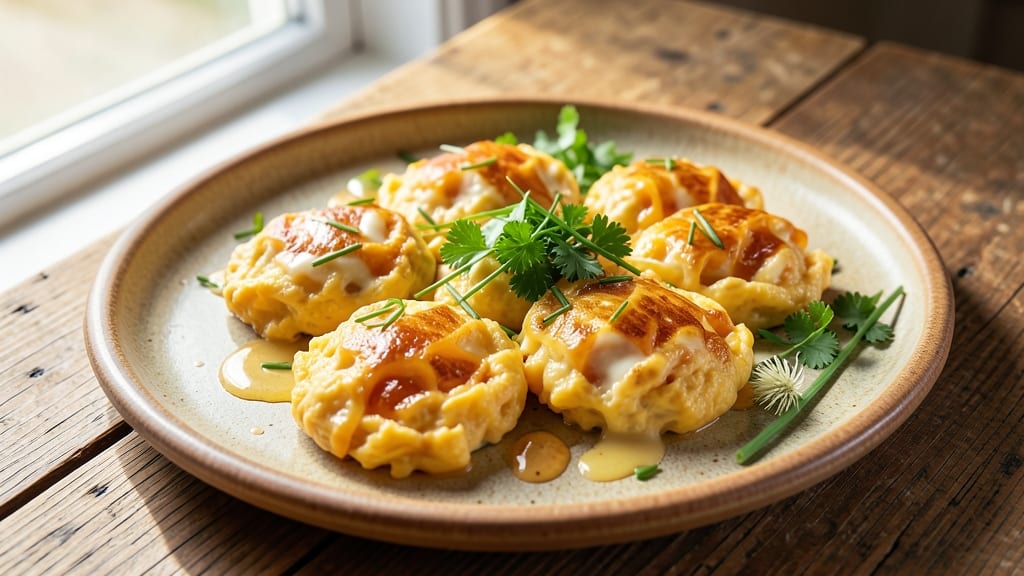
This seasoned scrambled egg recipe transforms simple eggs into a restaurant-worthy dish with just seven minutes of active time. The secret lies in slow cooking over low heat—creating tender, creamy ribbons rather than dry, rubbery curds.
I’ve perfected this method after years of trial and error, and the difference is night and day compared to the standard overcooked version.
What sets these eggs apart is the layered seasoning: sharp cheddar cheese melts into the yolks for richness, while fresh herbs like chives or parsley add bright, fresh notes.
A pinch of black pepper and a sprinkle of salt balance the flavors perfectly, ensuring every bite is both savory and satisfying. The key technique? Constant gentle stirring and removing the pan from heat just before the eggs are fully set.
By the time you’re done, you’ll have eggs that are silky-smooth with just the right amount of texture—creamy in the center, lightly set at the edges, and infused with bold seasonings. These aren’t just scrambled eggs; they’re a foolproof way to elevate your breakfast game without sacrificing simplicity.
Serve them on toast with avocado or as part of a brunch spread for a dish that feels special yet takes minimal effort.
For those who love variations, try adding a dash of hot sauce for a spicy kick or swapping cheddar for feta for a tangy twist. The beauty of this recipe is its flexibility—once you master the base technique, the possibilities are endless. Here’s how to make them perfectly every time.
Ingredients for seasoned scrambled egg
Eight simple ingredients transform ordinary eggs into restaurant-style ribbons with rich cheddar and fresh herbs.
| Ingredient | Amount | Notes |
|---|---|---|
| Large Eggs 🥚 | 8 whole | Room temperature preferred |
| Sharp Cheddar Cheese 🧀 | ½ cup | Freshly grated, sharp flavor |
| Fresh Chives 🌿 | ¼ cup | Finely chopped, mild onion flavor |
| Fresh Parsley 🌿 | ¼ cup | Finely chopped, bright green |
| Unsalted Butter 🧈 | 2 tbsp | Full-fat for best flavor |
| Kosher Salt 🧂 | ½ tsp | Fine grain preferred |
| Freshly Ground Black Pepper 🌶️ | ¼ tsp | Cracked peppercorns preferred |
| Heavy Cream 🥛 | 1 tbsp | Optional for extra creaminess |
| Extra-Virgin Olive Oil 🫒 | 1 tsp | For nonstick coating |
The eggs are the star, but the cheese and herbs make it special. Sharp cheddar melts beautifully into the yolks—avoid pre-shredded (it gets clumpy). I grab mine at Whole Foods or the deli counter at Kroger for the freshest flavor. Fresh herbs like chives and parsley add brightness, but dried works in a pinch (use half the amount). For the butter, Land O'Lakes is my go-to—full-fat gives the best texture. If you're watching calories, swap the heavy cream for an extra tablespoon of butter or skip it entirely.
No sharp cheddar? Parmesan or feta work too—just adjust the amount to taste. Running low on chives? Green onion tops or extra parsley do the trick. The olive oil is optional but helps prevent sticking if your pan isn't nonstick. For a spicy kick, add a pinch of red pepper flakes or a dash of hot sauce at the end. The eggs should be room temperature—cold eggs scramble unevenly. If you're in a rush, crack them into a bowl first and let them sit for 5 minutes.
These eggs taste best fresh but reheat beautifully—just add a splash of water or milk and warm gently. Store leftovers in an airtight container for up to 3 days in the fridge. For meal prep, make a double batch and freeze portions in 1-minute steamer bags—microwave for 45 seconds when ready. The cheese and herbs keep best in the fridge, but the eggs? Use them within 2 weeks for peak freshness. Trust me, the difference is worth it.
Why You'll Love This Recipe
- Five-Minute Scramble: I swear, this takes less time than debating what to eat for breakfast. Just crack eggs, melt butter, fold in cheese—no flipping, no stress.
- Cheese-Packed Magic: That sharp cheddar melts into gooey pockets while the chives and parsley add a bright, herby finish. It’s like a hug in every bite.
- Breakfast for Any Day: Make a big batch on Sunday and reheat for lazy mornings or a quick lunch. Toss it in wraps, salads, or just eat it straight from the pan.
- Budget Breakfast Win: Eggs and cheese stretch to feed the whole family without breaking the bank. Plus, leftovers reheat perfectly—no sad rubbery eggs here.
Step-by-step instructions for perfect seasoned scrambled eggs
Here's how to make silky, peppery scrambled eggs with herby ribbons—no overcooking, no rubbery texture.
🍳 Step 1: Whisk Eggs and Seasonings Until Fully Combined
Crack all 8 whole large eggs into a medium bowl and add the 1 tablespoon heavy cream. Whisk vigorously for 30 seconds until the yolks and whites are fully blended. This creates a smoother texture. Add the 0.5 teaspoon kosher salt and 0.25 teaspoon freshly ground black pepper, then whisk again for another 15 seconds until evenly distributed.
Next, fold in the 0.5 cup freshly grated sharp cheddar cheese using a rubber spatula. The cheese should be evenly dispersed throughout the egg mixture—this ensures every bite has that perfect tangy, melty flavor. Let the mixture sit for 2 minutes at room temperature while you prepare the pan. This resting time helps the eggs cook more evenly and prevents them from curdling too quickly.
🔥 Step 2: Heat the Pan and Melt Butter Until Foamy
Place an 8-inch nonstick skillet over medium-low heat. Add the 2 tablespoons unsalted butter and let it melt completely, swirling the pan to coat the bottom evenly. The butter should foam and bubble gently—this takes about 1 minute. If the butter starts to brown too quickly, reduce the heat slightly. You want the butter to create a smooth, velvety base for your eggs, not a crispy crust.
Once the butter is fully melted and foamy, remove the pan from heat for 30 seconds to let it cool slightly. This step is crucial—it prevents the eggs from cooking too fast on contact, which leads to dry, rubbery scrambled eggs. Return the pan to medium-low heat and add 1 teaspoon extra-virgin olive oil. The oil helps create a nonstick surface and adds a subtle fruity note to the eggs.
👨🍳 Step 3: Cook Eggs Low and Slow Until Just Set
Pour the egg mixture into the skillet and let it sit undisturbed for 20 seconds. You'll see the edges start to set while the center remains slightly runny. This is where the magic happens—patience is key. Use a heatproof silicone spatula to gently push the eggs from one side of the pan to the other, letting the uncooked egg flow to the empty space. Repeat this motion for 30-45 seconds, folding the eggs into soft, delicate ribbons.
Keep the heat at medium-low throughout this process. If the eggs start to brown too quickly, reduce the heat slightly. The goal is to create eggs that are creamy and slightly underdone in the center—they'll finish cooking from residual heat as you plate them. Avoid stirring vigorously, as this incorporates too much air and can make the eggs dry. Instead, focus on gentle folds to maintain that luscious, silky texture.
🥘 Step 4: Finish with Herbs and Serve Immediately
When the eggs are 80% cooked—still slightly moist in the center—remove the skillet from heat. Sprinkle the 0.25 cup finely chopped fresh chives and 0.25 cup finely chopped fresh parsley evenly over the top. The herbs add a bright, fresh contrast to the rich, cheesy eggs. Give the eggs one final gentle fold with the spatula to distribute the herbs evenly.
Serve the scrambled eggs immediately while they're still warm and creamy. The residual heat will finish cooking them to perfection on the plate. For extra flavor, you can top with an additional sprinkle of black pepper or a drizzle of hot sauce. These eggs are best enjoyed right away—they lose their silky texture as they cool. Pair them with toasted sourdough or avocado slices for a complete breakfast.
Pro Tips For Making Seasoned Scrambled Egg
- STOP WHISKING LIKE INSANE: Crack the eggs directly into the pan with the butter—no pre-whisking needed. I used to over-whisk, and the eggs would turn rubbery. Let the heat and gentle folding do the work; the butter’s fat will naturally emulsify them into silky strands.
- GRATE CHEESE FINE: Use a microplane or fine grater for the cheddar—big chunks melt unevenly and make the eggs greasy. I learned this the hard way when I grabbed the box grater and ended up with a sad, lumpy mess. Aim for powder-fine texture so it melts into the eggs like a dream.
- LOW AND SLOW AFTER FIRST CRUST: Let the eggs form a crust on the bottom for 20 seconds on medium-high, then immediately drop the heat to low. Rushing keeps them wet; letting them set at the start prevents a gummy center. It’s the thing that actually changes the outcome from sad to showstopper.
- CHOP HERBS LAST, KEEP THEM BRIGHT: Save the chives and parsley for the very end—toss them in just as you remove the pan from heat. Overcooking wilts them into oblivion, and nobody wants sad, limp herbs in their eggs. A quick snip with kitchen shears works best; no need to overcomplicate it.
Health benefits of seasoned scrambled egg
Protein-Packed Start
These scrambled eggs deliver a whopping 24 grams of complete protein per serving, making them an ideal breakfast to keep you full and energized. The combination of eggs and cheese provides all nine essential amino acids your body needs for muscle repair and growth.
I always make a double batch on busy mornings—it’s my go-to for post-workout recovery when I need to refuel quickly. 💪
Healthy Fats for Energy
The unsalted butter and extra-virgin olive oil add beneficial fats that support brain function and keep you satisfied longer. Butter contains vitamin K2 (important for bone health), while olive oil provides heart-healthy monounsaturated fats.
I swap in avocado oil sometimes for a higher smoke point when cooking at slightly higher temperatures. These fats also help your body absorb fat-soluble vitamins like A, D, E, and K from the eggs.
Vitamin Boost
Each serving packs vitamin B12 (critical for nerve function), vitamin D (for bone health), and choline (important for brain development). The sharp cheddar cheese adds calcium and phosphorus, while the fresh herbs contribute vitamin K and vitamin C from parsley.
I keep a small container of these eggs in my fridge for busy days—they’re like a vitamin shot in disguise! 🌟
Low-Carb Flexibility
This recipe naturally fits into low-carb and keto diets with just 2 grams of net carbs per serving (thanks to the cheese and herbs). The heavy cream adds a touch of richness without significant carbs.
For an even lower-carb option, I omit the toast and serve with cucumber slices or sugar-free hot sauce. It’s one of my favorite meals when I’m tracking macros—delicious without the guilt.
Antioxidant Herbs
The fresh chives and parsley aren’t just for flavor—they’re packed with antioxidants like quercetin and luteolin, which help reduce inflammation. Parsley also contains vitamin A (great for vision) and iron (for energy).
I always keep fresh herbs on hand because they elevate the dish while adding serious nutritional benefits. A sprinkle of red pepper flakes would add capsaicin, another anti-inflammatory compound! ✨
Nutrition facts
Frequently asked questions
Can I make this recipe with just eggs and butter?
The base technique works with just eggs and butter, but the cheese and herbs create that restaurant-quality flavor. For simplicity, use 1 tablespoon butter per 2 eggs and season with ½ teaspoon salt and ¼ teaspoon pepper. Cook over low heat and fold gently for creamy results. The key is patience—don’t rush the process!
Why do my scrambled eggs turn out rubbery?
Rubbery eggs usually happen from overcooking or too much stirring. Keep heat on medium-low and remove the pan just before eggs are fully set. Stir gently only when necessary—folding creates ribbons instead of breaking the curds. Also, avoid cold eggs (use room temp) and don’t overcrowd the pan. A nonstick skillet helps too!
What’s the best way to reheat leftovers?
Reheat in a dry skillet over low heat for 1-2 minutes, stirring gently. For microwave safety, add 1 teaspoon water or milk and cover with a damp paper towel. Microwave on low power (30% max) for 15-20 seconds. The steam prevents drying out. Never reheat to high temps—just warm through!
Can I use dairy-free cheese?
Yes! Swap cheddar for nutritional yeast (for cheesy flavor) or dairy-free shreds like Violife. For meltiness, add ½ teaspoon cornstarch to the cheese to help it bind. The texture will differ slightly, but the technique remains the same. Just reduce the heavy cream to ½ tablespoon to balance richness.
How do I adjust this for 2 people?
Halve all ingredients: 4 eggs, ¼ cup cheese, 1 tbsp butter, and ½ tbsp heavy cream. Use a 6-inch skillet and reduce heat to low to maintain creamy texture. Cook time stays the same (7 minutes total). Perfect for a quick breakfast for two!