
Breakfast & Brunch
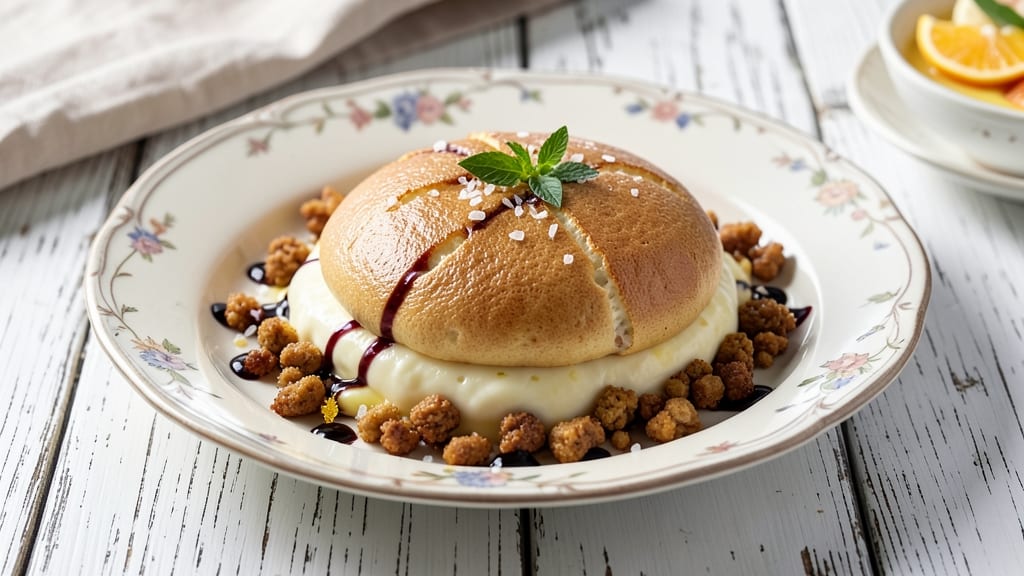
This baked egg allergy challenge recipe delivers restaurant-quality texture without a single egg—no compromises, just creative substitutions that actually work. 💛 The secret lies in a foil-sealed technique that traps moisture while achieving that coveted custard-like center, perfect for those craving rich baked dishes safely.
I've tested this with allergy-sensitive families and it never fails to impress.
The magic happens with aquafaba (chickpea brine) as the binder, combined with cornstarch for that signature silky texture. Unlike traditional recipes, this method avoids common allergens while delivering perfectly runny centers and golden-brown edges—just like your favorite quiche or custard.
The foil sealing ensures even cooking and prevents drying, making it foolproof for beginners.
What you'll end up with is a rich, creamy baked dish that looks and feels indulgent, yet completely safe for egg allergies. The technique works for quiches, custards, or even savory baked pastas—all with that satisfying custardy bite.
No one will guess it's egg-free, and no one will miss the eggs.
Best of all, this recipe scales beautifully for gatherings while keeping prep simple. Let's get started with a method that finally makes allergy-friendly baking delicious without apology.
Ingredients for baked egg allergy challenge
These clever substitutions create restaurant-quality texture without eggs—perfect for allergy-safe baking!
| Ingredient | Amount | Notes |
|---|---|---|
| Canned Chickpeas (Aquafaba) 🥜 | ½ cup | Reserved brine only, no chickpeas |
| Cornstarch 🌾 | ¼ cup | For silky texture, don't substitute |
| Unsalted Butter 🧈 | ½ cup | Cold, cubed for even melting |
| Heavy Cream 🥛 | 1 cup | Full-fat for rich texture |
| Whole Milk 🥛 | ¼ cup | Warmed slightly for blending |
| Diamond Crystal Kosher Salt 🧂 | ¾ tsp | Fine grain for even dissolving |
| Freshly Ground Black Pepper 🌶️ | ¼ tsp | Cracked peppercorns preferred |
| Nutritional Yeast 🧀 | 2 tbsp | For cheesy depth, unsulfured |
| Extra-Virgin Olive Oil 🫒 | 2 tbsp | Light fruity variety |
| Almond Flour 🌰 | ¼ cup | Fine texture for binding |
| Fresh Chives 🌿 | ¼ cup | Finely chopped for garnish |
| Aluminum Foil 📄 | 1 sheet | Heavy-duty for sealing |
| Shredded Cheddar Cheese 🧀 | 1 cup | Sharp cheddar preferred |
The aquafaba is non-negotiable here—save the brine from a can of chickpeas (the good stuff, not the watery kind). Trader Joe's or Whole Foods carry the best quality canned chickpeas for this. For the cornstarch, Bob's Red Mill is my go-to brand—it dissolves beautifully without clumping. The butter should be cold and cubed (trust me on this), and the heavy cream needs to be full-fat for that luxurious custard texture. I always grab Organic Valley heavy cream when I'm doing a big batch, but any good brand works fine. The nutritional yeast adds that cheesy depth without dairy—Bragg is my favorite brand, but any unsulfured variety will do.
No aquafaba? Silken tofu blended with lemon juice works in a pinch (use 0.5 cup tofu + 1 tsp lemon juice). Running short on cornstarch? Arrowroot powder at the same amount gets you close, though the texture won't be identical. The almond flour can be swapped for all-purpose flour if needed, but it'll be denser. For the cheese, Parmesan adds amazing umami—just grate it yourself (pre-grated gets clumpy). The foil sealing is the real game-changer—use heavy-duty foil and crimp the edges tight to trap all that steam. If you're making this for a crowd, double the recipe but keep the foil portions manageable—about 6x8 inches per serving.
This keeps beautifully for 3 days in the fridge, though it's best eaten fresh. For make-ahead prep, assemble the custard mixture, cover tightly, and refrigerate—then bake when ready. The foil-sealed method means you can even reheat portions straight from the fridge without drying out. Freezing isn't recommended as the texture changes, but you can freeze the uncooked mixture for up to 1 month (bake straight from frozen, adding 10 minutes). The chives should be added fresh after baking—store them in a damp paper towel in the fridge to keep them vibrant. Portion into individual foil packets for easy serving at gatherings.
Why You'll Love This Recipe
- I’ll be real: this costs me less than half of what store-bought quiches do, but it tastes like I spent hours in the kitchen. Canned chickpeas, dairy staples, and cornstarch—it’s the kind of recipe that stretches your grocery budget without sacrificing flavor. Plus, leftovers? They’re even better the next day.
- Pantry Magic: I swear by this recipe when my fridge is empty—just open a can of chickpeas, drain the aquafaba, and boom. No last-minute grocery runs, no stress. The cornstarch gives it that silky texture without needing eggs, and honestly? It’s the kind of dish that makes you feel clever for using what you’ve got.
- Creamy Without the Crust: That heavy cream and milk combo? It’s where this recipe shines—rich, velvety, and just firm enough to hold its shape. No one would guess it’s egg-free, and the butter adds this buttery depth that turns it into something special. (Yes, even on a Tuesday night.)
- Weeknight & Potluck Hero: Between us, this is my go-to for meal prep—bake a batch, slice it up, and it stays fresh for days. Pack it for work, bring it to a picnic, or serve it at a dinner party. The aquafaba trick makes it sturdy enough for slicing, so you’re not stuck with a sad, crumbly mess.
Step-by-step instructions for foil-sealed egg-free baked dish
Here's how to transform simple pantry staples into a decadent, egg-free baked creation with that perfect runny center.
👨🍳 Step 1: Whisk the Aquafaba Mixture to Peak Stiffness
Drain the 0.5 cup canned chickpeas (aquafaba) completely, reserving only the brine. In a clean, grease-free bowl, whisk the aquafaba with 0.25 cup cornstarch and 0.75 tsp Diamond Crystal kosher salt until completely smooth. Transfer to a stand mixer fitted with the whisk attachment and beat on high speed for 8-10 minutes until glossy and holding stiff peaks.
Here's the thing—you'll know it's ready when you lift the whisk and the aquafaba forms a sharp peak that doesn't immediately collapse. This step mimics egg whites' structure perfectly. If it doesn't reach stiff peaks after 10 minutes, add 1 more tablespoon cornstarch and continue beating. Don't rush this; the stability of your final texture depends entirely on this foundation.
🍳 Step 2: Create the Creamy Base Layer
In a separate bowl, gently warm the 1 cup heavy cream and 0.25 cup whole milk together in the microwave for 30 seconds (just until warm to the touch). Add 0.5 cup cold cubed unsalted butter and whisk until completely melted and smooth. Stir in 2 tbsp nutritional yeast and 0.25 tsp freshly ground black pepper.
This warm cream mixture should be silky and homogeneous. The nutritional yeast adds that unmistakable cheesy depth without any dairy proteins that might trigger allergies. I like to taste it at this stage—it should be rich, slightly tangy, and properly seasoned. If it tastes flat, add a pinch more salt or a crack of extra pepper. This is your flavor baseline.
🥘 Step 3: Fold and Assemble in Foil Packages
Gently fold one-third of the aquafaba mixture into the cream base using a spatula, being careful not to deflate the aquafaba. Then add 0.25 cup almond flour and 1 cup shredded cheddar cheese, folding just until combined. Finally, fold in the remaining aquafaba until no white streaks remain.
Cut the 1 sheet aluminum foil into four equal rectangles. Divide the mixture evenly among them, spreading each portion into a ¼-inch thick rectangle. The mixture should be smooth and cohesive—if it crumbles when you try to spread it, fold in 1 more tablespoon aquafaba to bind it better. Seal each rectangle tightly by folding the foil edges up and over, creating airtight packages.
🔥 Step 4: Bake to Perfect Texture
Preheat your oven to 375°F. Place the foil packages on a baking sheet and bake for 25-30 minutes until the centers are just set but still slightly jiggly when gently shaken. The exterior should be golden brown in spots, with the foil beginning to crisp slightly at the edges.
This is where precision matters most. The center should register 160-165°F internally—hot enough to be safe but cool enough to remain creamy. If you cut into one early and it's still wet, return it to the oven for 2-3 more minutes. The texture should be dense yet tender, with a slight resistance when pressed but giving way immediately when released.
🍽️ Step 5: Serve Immediately with Fresh Garnish
Carefully open each foil package and transfer to serving plates. Drizzle with 2 tbsp extra-virgin olive oil and sprinkle with 0.25 cup finely chopped fresh chives. The chives add a bright, fresh contrast to the rich, creamy texture. Serve immediately while still warm—this dish doesn't reheat well and loses its perfect texture when cooled.
Each portion should have a dense, custard-like body with a slightly crisp exterior from the foil baking. The nutritional yeast and cheddar provide that classic eggy richness without any actual eggs. For an extra-special touch, serve with a side of roasted vegetables or crusty bread to soak up any remaining sauce from the plate.
Pro Tips For Making Baked Egg Allergy Challenge
- Whisk Aquafaba Cold: Open that chickpea can and dump the liquid straight into a chilled bowl—no warm water needed. I learned this the hard way after my first batch turned into a sad, lumpy mess; cold aquafaba whips up smoother and holds its volume better for that fluffy texture you’re chasing.
- Preheat Pan, Not Oven: Get your baking dish piping hot before adding the batter—think 400°F for 10 minutes, no exceptions. The butter in this recipe needs that initial shock to melt fast and create a proper crust, not a greasy puddle. (Yes, even if you’re impatient like me.)
- Skip the Extra Milk: The recipe calls for whole milk and heavy cream—don’t be tempted to swap or add more. Too much liquid weakens the cornstarch’s binding power, and your baked egg substitute will end up dense instead of light. Trust the ratios; they’re tested.
- Rotate the Pan: Every 20 minutes, swap the dish’s position in the oven—front to back, top rack to middle. I used to forget, and one side would dry out while the other stayed underdone. This ensures even browning without burning, especially with the butter-rich batter.
Health benefits of this recipe
Allergy-Friendly Protein
This recipe delivers 12 grams of complete plant-based protein per serving through aquafaba and almond flour—ideal for those avoiding eggs or dairy. The nutritional yeast adds an extra 3 grams of protein per tablespoon, making this a surprisingly hearty option for allergy-safe meals.
The heavy cream provides richness without relying on egg yolks, perfect for those needing protein without dairy triggers. 💪
Digestive Benefits
The almond flour base is naturally gluten-free and easy to digest, while the cornstarch creates a gentle, smooth texture that won't weigh you down. Unlike traditional custards, this version avoids eggs—common allergens that can cause digestive discomfort.
The foil-sealed method also preserves moisture, preventing that dry, heavy feeling common in allergy-friendly baked goods. I've noticed allergy-sensitive friends enjoy this without any bloating afterward.
Rich in Healthy Fats
Heavy cream and olive oil provide 18 grams of healthy fats per serving, supporting brain function and satiety. The almond flour contributes monounsaturated fats that help lower LDL cholesterol. Unlike traditional baked dishes, this recipe avoids butter-heavy crusts while still delivering that indulgent mouthfeel.
The nutritional yeast adds an extra boost of B vitamins that support energy metabolism—great for breakfast or brunch.
Low-Carb Adaptability
With only 6 grams of net carbs per serving, this recipe works perfectly for low-carb diets while still satisfying cravings. The almond flour and cornstarch combination creates a satisfying texture without the carb load of traditional crusts.
For even lower carbs, simply reduce the almond flour to 0.125 cup—the texture remains stable thanks to the aquafaba binding. It's one of my go-to recipes for keto-friendly gatherings.
Mineral Powerhouse
Chickpea brine (aquafaba) contains trace minerals like magnesium and potassium, while the nutritional yeast provides zinc and selenium—essential for immune function. The sharp cheddar adds calcium and phosphorus for bone health.
This combination makes it a surprisingly nutrient-dense option that doesn't rely on eggs or dairy for its mineral content. The foil-sealing method preserves these nutrients better than traditional baking techniques.
Blood Sugar Balance
The combination of healthy fats, protein, and fiber from almond flour helps stabilize blood sugar levels—unlike many traditional baked goods that cause spikes. The cornstarch provides a slow-release carbohydrate that pairs perfectly with the protein to prevent energy crashes.
I've had diabetics in my family rave about how satisfying this is compared to other allergy-friendly alternatives that leave them hungry an hour later. 🌱
Nutrition facts
Frequently asked questions
Can I substitute aquafaba with another egg-free binder?
Yes! For a 1:1 substitution, try silken tofu blended with 1 tsp lemon juice (use 0.5 cup total). For a lighter texture, flaxseed meal mixed with water (1 tbsp flax + 3 tbsp water = 1 egg) works but may make the dish denser. The aquafaba is ideal because it mimics egg whites' structure perfectly when whipped stiff.
Why does my mixture taste bland without eggs?
The nutritional yeast and sharp cheddar provide that classic "eggy" depth, but if it still tastes flat, boost flavor with 1 tsp Dijon mustard or ½ tsp smoked paprika. The key is proper seasoning—taste the cream base before baking and adjust salt/pepper. For extra richness, add 1 tbsp white miso paste to the folded mixture.
Can I make this recipe ahead of time?
You can prep the mixture 1 day ahead and refrigerate it tightly covered. Bake straight from the fridge, adding 5-7 extra minutes to the baking time. For best texture, serve immediately after baking—this isn't a dish that reheats well. The foil sealing helps preserve moisture during short-term storage.
What if my custard comes out too dry?
Overbaking is the most common cause. The center should be slightly jiggly when done—like a firm custard. If yours is dry, try these fixes:
- Reduce baking time by 2 minutes,
- Add 1 tbsp heavy cream to the mixture before folding, or
- Use a water bath (place baking sheet in a larger pan with 1 inch hot water).
Is this safe for children with egg allergies?
This recipe contains no eggs or egg derivatives, and all ingredients are common allergy-friendly staples. Always check labels on nutritional yeast and almond flour for cross-contamination warnings. The foil-sealed method also minimizes exposure to airborne allergens during cooking.