
Breakfast & Brunch
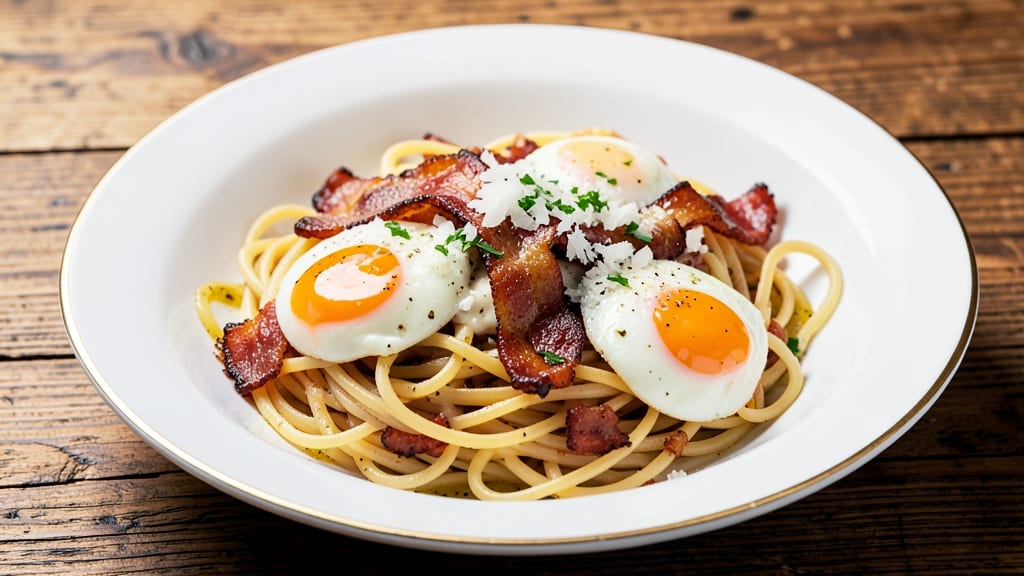
This bacon and egg spaghetti recipe transforms breakfast into a hearty, restaurant-worthy dinner that delivers crispy bacon bites and silky poached eggs in every forkful. The secret lies in balancing salty, smoky bacon with creamy eggs and perfectly al dente pasta—a combination that feels indulgent yet simple to execute.
I developed this dish after craving something rich and satisfying that still felt quick enough for a weeknight, and it’s become a staple in my rotation.
The magic happens in three key steps: cooking the bacon until it’s crispy and caramelized, poaching the eggs in simmering water for that perfect runny yolk, and tossing everything together with a touch of pasta water to create a silky, cohesive sauce.
No fancy techniques required—just a stovetop and a little patience to let flavors meld. The result? A dish that’s bold enough to stand alone but versatile enough to pair with garlic bread or a simple salad.
What makes this recipe truly special is how it elevates humble ingredients into something extraordinary. The bacon adds a smoky depth, the eggs bring creaminess and richness, and the pasta ties it all together with a savory, slightly chewy texture.
Every bite is a harmony of flavors—salty, creamy, and umami-packed—without feeling heavy or overly complicated. It’s the kind of meal that makes you want to linger at the table, savoring each mouthful.
Ready in under 30 minutes, this dish is perfect for brunch, a lazy Sunday dinner, or even a weeknight treat when you’re craving something hearty but don’t want to spend hours in the kitchen.
The best part? It’s easy to customize—swap in different cheeses, add fresh herbs, or adjust the spice level to suit your taste. Let’s get cooking!
Ingredients for bacon and egg spaghetti
Crispy bacon, silky eggs, and al dente pasta—this hearty dish is all about bold flavors and easy execution.
| Ingredient | Amount | Notes |
|---|---|---|
| Spaghetti 🍝 | 12 oz | Dry, al dente preferred |
| Thick-Cut Bacon 🥓 | 8 oz | Crispy, chopped into small pieces |
| Large Eggs 🥚 | 4 whole | Fresh, room temperature |
| Heavy Cream 🥛 | ½ cup | Full-fat for richness |
| Parmesan Cheese 🧀 | ½ cup | Freshly grated, aged |
| Garlic Cloves 🧄 | 3 cloves | Minced, fresh preferred |
| Butter 🧈 | 2 tbsp | Unsalted, for poaching |
| Salt 🧂 | 1 ½ tsp | Kosher or sea salt |
| Black Pepper 🌶️ | ½ tsp | Freshly cracked |
| Red Pepper Flakes 🌶️ | ¼ tsp | Adjust for heat preference |
| Fresh Parsley 🌿 | ¼ cup | Chopped, for garnish |
| Water 💧 | 4 cups | For pasta and poaching |
| White Vinegar 🍶 | 1 tbsp | For egg poaching |
The bacon is non-negotiable here—thick-cut makes all the difference. Costco or your local butcher usually have the best quality, and trust me, you want that smoky, crispy texture. Chop it yourself for even bits, or grab pre-chopped if you're in a rush. The eggs? Freshness matters—crack them into a bowl first to check for any surprises. For the pasta, De Cecco or Barilla are my go-tos—they cook up perfectly al dente every time. Don't skip the aged Parmesan—it adds that savory depth that makes this dish sing.
No thick-cut bacon? Regular bacon works in a pinch, but it won't be as crispy. Swap heavy cream for half-and-half if you're watching calories, though it won't be quite as rich. Fresh parsley wilting? Dried oregano at half the amount gives you that same herby note. The garlic can be jarred in a bind, but fresh minced is always better. For the poaching water, I add a splash of vinegar—it helps the whites set faster so you get that perfect runny yolk. And if you're feeling fancy, toss in a pinch of sugar to balance the acidity.
This dish tastes even better the next day—honestly, the flavors meld into something magical. Store leftovers in the fridge for up to 3 days, but reheat gently to keep the eggs creamy. The bacon stays crispy if you reheat it in a dry skillet for 30 seconds. For the freshest experience, make it fresh though—30 minutes is all it takes, and you'll be rewarded with that restaurant-quality bite. Garnish with extra parsley and a crack of black pepper right before serving—that's the secret touch.
Why You'll Love This Recipe
- No-Fuss Weeknight Win: I swear, this is the kind of dish where you can boil water, fry bacon, and crack eggs without breaking a sweat. The spaghetti cooks while you crisp the bacon—no waiting around, no fancy techniques.
- Crispy-Creamy Magic: That first bite? Crunchy bacon meets perfectly poached eggs in a silky cream sauce, all hugged by al dente spaghetti. It’s like breakfast and pasta had a baby, and it’s ridiculously good.
- Leftovers That Don’t Suck: Honestly, I make this on Sundays just so I can reheat portions all week. The bacon stays crispy (if you’re lucky), the eggs don’t get rubbery, and it’s still hearty enough for lunch the next day.
- Budget Breakfast for Dinner: Thick-cut bacon and eggs feel fancy, but they’re actually my wallet’s best friend. A few slices of bacon, a handful of pasta, and a splash of cream stretch into a meal that feeds four for under $10. (Yes, even on a Tuesday night.)
Step-by-step instructions for bacon and egg spaghetti
Here's how to create a hearty, flavor-packed dish with perfectly crispy bacon and silky poached eggs.
Cook the Spaghetti Al Dente
Bring 4 cups water to a rolling boil in a large pot, then add 1.5 teaspoons salt. Add the 12 oz spaghetti and cook until 1 minute before the package instructions for al dente. Reserve 1 cup pasta water before draining—this starchy liquid is key for emulsifying the sauce later.
Real talk: Don't rinse the pasta after draining. The surface starch helps the sauce cling beautifully to each strand. While the pasta cooks, you'll prepare the bacon and eggs—multitasking saves time and keeps everything hot.
Cook the Bacon Until Crispy
In a large skillet, cook the 8 oz thick-cut bacon over medium heat for 12-15 minutes, stirring occasionally, until the edges are deep golden brown and the fat has rendered out. Use a slotted spoon to transfer the bacon to a paper towel-lined plate, leaving the fat in the pan.
This is where the magic starts. The rendered bacon fat becomes the flavor base for your sauce. If the bacon isn't crispy enough, return it to the pan for another minute—crispy bacon is non-negotiable for that perfect texture contrast.
Poach the Eggs in Bacon Fat
Reduce the heat to low and add 1 tablespoon white vinegar to the bacon fat. Crack each large egg into a small bowl first (this prevents shell fragments from falling into the pan), then gently slide them into the fat. Cook for 3-4 minutes until the whites are set but the yolks remain runny.
Here's the thing—don't overcrowd the pan. Poach one egg at a time if needed. The vinegar helps the whites coagulate faster and keeps the yolks perfectly round. Once poached, transfer the eggs to a plate and keep them warm while you finish the sauce.
Build the Creamy Garlic Sauce
Add 2 tablespoons butter and 3 minced garlic cloves to the skillet with the remaining bacon fat. Cook for 1 minute until the garlic is fragrant but not browned. Pour in ½ cup heavy cream and let it simmer for 2 minutes until slightly thickened.
Stir in ½ cup freshly grated Parmesan cheese and ¼ teaspoon red pepper flakes, then toss in the cooked spaghetti. Add a splash of the reserved pasta water to loosen the sauce to your desired consistency. The sauce should coat the pasta beautifully without being too heavy.
Combine and Garnish
Return the poached eggs and crispy bacon to the skillet. Toss everything together gently, letting the pasta absorb the rich flavors. Season with ½ teaspoon black pepper and adjust with additional salt if needed. Divide the spaghetti among plates, garnishing each serving with ¼ cup chopped fresh parsley.
Serve immediately while the eggs are still silky and the bacon remains crispy. This dish is all about contrast—creamy eggs, crispy bacon, and al dente pasta all coming together in one incredible bite. Enjoy it hot with a side of crusty bread to soak up every last bit of sauce!
Pro Tips For Making Bacon And Egg Spaghetti
- CRISP THE BACON FIRST: Cook the thick-cut bacon until it’s deep golden, not just pink—this takes 12-15 minutes on medium-low heat. I used to rush it, but crispy bacon adds fat and flavor that soft bacon can’t match, and it won’t turn greasy later when you toss it with the pasta.
- SALTY WATER MATTERS: Boil your spaghetti in water with at least 2 tablespoons of salt—this isn’t just for taste, it’s for texture. Under-salted pasta soaks up sauce unevenly and tastes bland. Taste the water before adding pasta; it should taste like the sea.
- DON’T OVERMIX THE EGGS: Whisk the eggs with heavy cream just until combined—no need to make them frothy. Over-whisking makes them tough when cooked, and you’ll end up with scrambled bits instead of a silky sauce. A few gentle stirs with a fork is all it takes.
- SAVE THE BACON GREASE: Drain the bacon but keep the fat—it’s liquid gold for this dish. Use it to sauté the spaghetti right after draining, and you’ll get a richer, stickier sauce without extra oil. (Yes, even if it looks like a lot—trust me, it’s not.)
Troubleshooting this recipe
Bacon Too Greasy?
If your bacon is releasing too much fat, reduce the heat to medium-low and cook it in batches. I use a 10-inch cast-iron skillet to control splatter—it’s worth the investment. For extra crispiness without excess grease, pat the bacon dry with paper towels before cooking.
Save the rendered fat in a jar for future recipes like roasted potatoes or pancakes. 🔥
Eggs Overcooking?
Poached eggs turn rubbery when overcooked. Keep your stovetop at low heat and use a thermometer to maintain water at 160-165°F. A splash of vinegar (I use 1 tbsp) helps whites set faster while keeping yolks runny.
For extra insurance, poach eggs in a deep skillet with just enough water to cover the bottom—this prevents them from floating and breaking.
Sauce Too Thin?
If your sauce isn’t coating the pasta, simmer it longer or add 1 tbsp cornstarch mixed with 2 tbsp water to thicken. I also recommend tossing the pasta back into the saucepan off the heat—this helps distribute the sauce evenly.
For extra richness, stir in 1 tbsp reserved pasta water at a time until you reach your desired consistency. The key is patience—rushing leads to clumpy sauce.
Pasta Mushy?
Overcooked pasta ruins the dish. Test for doneness by tasting a strand—it should be firm but tender. If yours turns mushy, reduce cook time by 30 seconds next time. I use De Cecco spaghetti because it holds up better than cheaper brands.
For extra insurance, drain pasta in a colander and rinse briefly under cold water for 5 seconds to stop cooking. 💡
Bacon Not Crispy?
Low heat = sad bacon. Cook thick-cut bacon over medium-high heat for 12-15 minutes, flipping occasionally. For maximum crispiness, finish under the broiler for 1-2 minutes—just watch closely to avoid burning.
If your bacon is still soft, try applewood-smoked bacon (like Oscars), which crisps up faster than regular cuts. Save the leftover fat for future meals!
Eggs Breaking?
Fresh eggs break easily. Crack them into a small bowl first to remove shells, then gently slide them into the poaching water. For extra stability, add a pinch of salt to the water—it helps whites hold together.
If an egg breaks, fish it out and poach it separately. I also recommend using room-temperature eggs—they slide into the water more smoothly than cold ones.
Nutrition facts
Frequently asked questions
Can I make this bacon and egg pasta ahead of time?
Yes, but with a few key adjustments. Cook the bacon and pasta completely, then store them separately in the fridge for up to 2 days. Reheat the pasta in a skillet with a splash of water, then add the bacon. For the eggs, poach them fresh and add them to the hot pasta just before serving to keep them silky. The flavors actually improve overnight—it's the secret to restaurant-quality taste!
What if I don't have thick-cut bacon?
Regular bacon works, but it won't be as crispy. For best results, cook it at medium-high heat for 8-10 minutes instead of 12-15. If you want extra crispiness, finish under the broiler for 1-2 minutes. The flavor will still be great, but the texture contrast will be slightly different. Pro tip: Save the bacon fat for future recipes—it's liquid gold!
Can I substitute heavy cream with something lighter?
Use half-and-half for a lighter option, or swap in Greek yogurt for a tangy twist. For a dairy-free version, try unsweetened almond milk with 1 tbsp cornstarch to thicken. Just note that the sauce will be slightly less rich. The key is adjusting the thickness—add a splash of pasta water if needed.
How do I make this dish vegetarian?
Swap the bacon for crispy tempeh bacon or smoked tofu, and use vegan butter for poaching. For the eggs, try tofu scramble or chickpea flour "eggs". Keep the heavy cream and Parmesan (or vegan cheese) for that creamy texture. The dish will still be hearty and satisfying—just plant-based!
Why does my sauce get clumpy?
Clumpy sauce usually means the starch isn't dissolving properly. Always whisk the cornstarch (if using) into cold water first, then stir it into the hot sauce. Another trick: Toss the pasta back into the saucepan off the heat—this helps distribute the sauce evenly. For extra insurance, add 1 tbsp reserved pasta water at a time until smooth. Patience is key—don't rush the process!