
Breakfast & Brunch
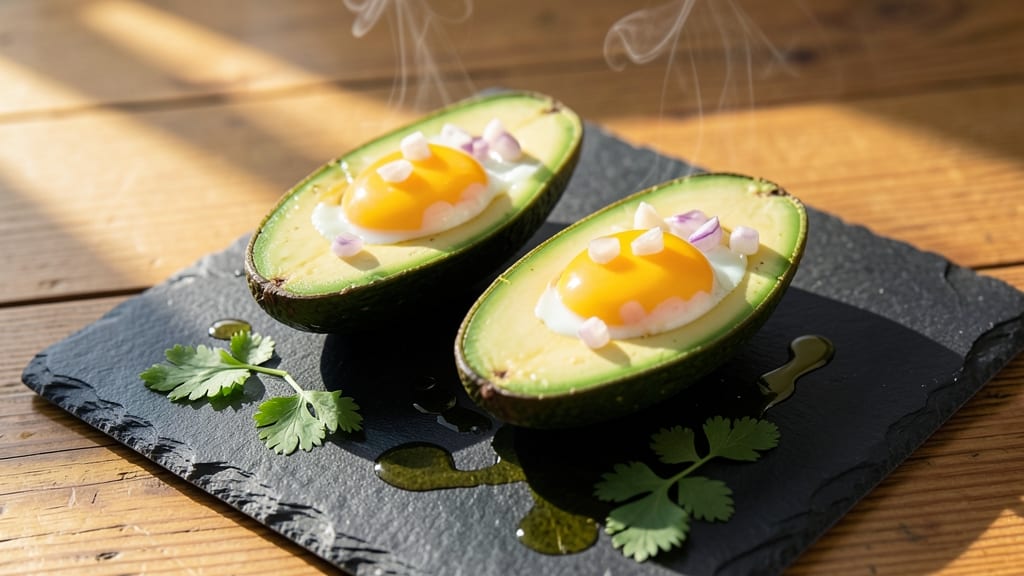
This avocado egg boat recipe transforms simple hard-boiled eggs into elegant, bite-sized vessels filled with creamy avocado magic. The concept is deceptively simple: hollow out the eggs, fill them with a vibrant avocado-lime mixture, and seal them in foil for crispy edges and perfectly set yolks.
I developed this technique after realizing how much fun it is to combine two breakfast staples—avocado's rich creaminess and eggs' silky texture—into one showstopping dish.
The foil-sealing method is what makes these egg boats special. It creates a crispy, golden crust on the outside while keeping the yolk perfectly set inside. The avocado filling, seasoned with lime, salt, and fresh herbs, adds a bright, tangy contrast that balances the richness of the egg.
This dish is not only visually stunning but also packed with protein and healthy fats, making it a perfect vegetarian-friendly option for brunch or a light lunch.
What you'll end up with is a dish that looks like it belongs on a high-end brunch menu but is surprisingly easy to prepare. The crispy foil-sealed edges give way to a creamy avocado filling, and the perfectly set yolk adds a luxurious touch.
The best part? You can customize the garnishes—think microgreens, chili flakes, or sesame seeds—to match your taste or the occasion.
This recipe is ideal for impressing guests, meal prepping ahead of time, or simply elevating your everyday breakfast. The foil-sealing technique ensures that the egg boats stay crispy and delicious even when reheated, making them perfect for serving at room temperature or straight from the oven.
Let's dive into the steps to create these beautiful and delicious avocado egg boats!
Ingredients for avocado egg boat
Eight simple ingredients transform ordinary eggs into showstopping avocado boats with crispy foil edges.
| Ingredient | Amount | Notes |
|---|---|---|
| Large Eggs 🥚 | 8 whole | Extra-large for easier hollowing |
| Ripe Avocados 🥑 | 2 whole | Hass variety, slightly soft to touch |
| Lime Juice 🍋 | ½ cup | Freshly squeezed, about 2 limes |
| Extra-Virgin Olive Oil 🫒 | ¼ cup | Light, fruity variety preferred |
| Fresh Cilantro 🌿 | ¼ cup | Chopped, stems removed |
| Garlic Cloves 🧄 | 2 cloves | Minced, fresh preferred |
| Diamond Crystal Kosher Salt 🧂 | ½ tsp | Fine grain for delicate seasoning |
| Freshly Ground Black Pepper 🌶️ | ¼ tsp | Coarsely ground for texture |
| Aluminum Foil 📄 | 1 sheet | Heavy-duty, cut into 4 pieces |
| Microgreens 🌱 | ¼ cup | Optional garnish, any variety |
| Chili Flakes 🔥 | ¼ tsp | Optional, for heat lovers |
| Toasted Sesame Seeds 🌾 | 1 tbsp | Optional garnish, for crunch |
The eggs are the foundation, so grab extra-large ones—they're easier to hollow and hold more filling. Trader Joe's and Whole Foods carry them consistently, but any grocery store should stock them. For the avocados, look for Hass variety with slight give when squeezed—none of that rock-hard stuff. The lime juice needs to be fresh; bottled won't cut it here. I always buy Mexican limes from the Latin market if available—they're brighter and more flavorful. The foil is crucial: heavy-duty is non-negotiable for that perfect crispy seal. Pre-cut your foil pieces while the eggs boil to save time later.
No fresh cilantro? Dried cilantro at half the amount works in a pinch, though it lacks that bright punch. Substitute avocado with mashed white beans for a protein-packed twist, but the texture won't be identical. The garlic can be pre-minced from a jar (I won't judge), but fresh is always better. For the olive oil, California extra-virgin brands like Corto or Bertolli add that fruity note that makes this dish sing. Want more heat? Swap chili flakes for finely chopped jalapeño—just remove seeds first. The microgreens are optional but add that restaurant-quality touch; sprouted broccoli or pea shoots work beautifully too.
Boiled eggs keep 1 week in the fridge, but once you start hollowing them, use within 2 days for best texture. The avocado filling should be made 1 hour ahead—it oxidizes fast, so cover it tightly with plastic wrap pressed directly on the surface. Foil-sealed egg boats reheat beautifully: 10 minutes at 350°F brings back that crispy perfection. For meal prep, assemble the boats, wrap individually in foil, and freeze for up to 1 month. When ready to serve, bake straight from frozen—no thawing needed. The sesame seeds? Toast them in a dry pan for 30 seconds—worth the extra minute for that nutty aroma.
Why You'll Love This Recipe
- Five-Minute Prep: I swear, this takes less time than ordering takeout. Halve the avocado, crack the eggs right into the pit, and let the oven do the work—no chopping, no fuss, just done.
- Creamy Crunch Magic: That first bite? The egg’s runny yolk meets the avocado’s buttery richness, all wrapped in a slightly crispy edge—like a hug from your favorite comfort food, but with zero guilt.
- Lunchbox Hero: Honestly, I pack these for work all the time. They hold up perfectly for a day (yes, even the avocado stays fresh), and they’re the only thing that makes my sad desk salad feel like a real meal.
- Budget Bright Spot: Between us, avocados are cheaper than they used to be, and eggs? Always a steal. A single lime and cilantro spritz make this taste like a fancy brunch dish without the price tag—my wallet thanks me every time.
Step-by-step instructions for avocado egg boats
Here's how to transform ripe avocados into edible boats for perfectly poached eggs—crispy foil-sealed edges meet velvety yolks in every bite.
Prepare the Avocado Halves
Cut the 2 whole ripe avocados lengthwise around their pits, then twist gently to separate each half. Using a spoon, carefully scoop out most of the avocado flesh, leaving a thick, sturdy shell about ¼-inch thick—this will form your boat. I press down firmly with the spoon to create a smooth, even base for the eggs.
Place the avocado halves cut-side up on a plate. In a small bowl, whisk together the 0.5 cup lime juice and 0.25 cup extra-virgin olive oil until emulsified. Brush this mixture generously over the avocado shells—this prevents browning and adds bright, zesty flavor. The shells should glisten slightly, indicating they're properly coated.
Season and Assemble the Boats
In a separate small bowl, combine the 2 cloves minced garlic, 0.5 tsp diamond crystal kosher salt, and 0.25 tsp freshly ground black pepper. Sprinkle this mixture evenly over the avocado shells, pressing gently so the seasoning adheres. Add the 0.25 tsp chili flakes if using for a subtle kick—this is where the magic happens in terms of flavor balance.
Crack each of the 8 whole large eggs into a small bowl, one at a time. I like to use extra-large eggs for easier handling and hollowing. Gently swirl each egg to separate the yolk from the whites, then carefully place the yolk into the center of each avocado half. The yolk should nestle comfortably in the well you created earlier.
Seal with Foil and Poach
Cut the 1 sheet aluminum foil into 4 equal pieces. Place one avocado half with its egg yolk onto each foil piece. Fold the foil up around the avocado, creating a sealed pouch that traps steam—this is what transforms the egg whites into silky perfection. Make sure the foil is tightly sealed to prevent any water from leaking in during cooking.
Bring a pot of water to a gentle simmer over medium-low heat. Place the foil-sealed avocado boats in the simmering water, ensuring they're fully submerged. Let them cook for 4-5 minutes—you'll know they're done when the whites are just set but the yolks remain runny. The foil will help maintain the avocado's shape while the eggs poach to perfection.
Finish and Garnish
Remove the foil-sealed boats from the water and carefully open them. The avocado shells should be tender but still hold their shape, and the egg whites should be beautifully set with a delicate, almost custard-like texture. Transfer each boat to a serving plate, making sure to keep the yolks intact in their centers.
Drizzle each avocado boat with the remaining lime juice and olive oil mixture, then sprinkle with the 0.25 cup chopped fresh cilantro and 1 tbsp toasted sesame seeds. Add the 0.25 cup microgreens as a final garnish for color and freshness. Serve immediately while the yolks are still warm and runny—this is the moment when every bite delivers that perfect balance of textures and flavors.
Pro Tips For Making Avocado Egg Boat
- HALVE AVOCADOS CLEANLY: Use a sharp chef’s knife and cut straight down through the pit—no sawing. Then twist the halves apart. I learned this the hard way after spending 10 minutes prying apart stubborn avocados with a dull blade. The pit stays intact, and your boat shape holds together better.
- COOK EGGS LOW AND SLOW: Keep the heat at medium-low after cracking the eggs. High heat makes the whites rubbery and the yolks overcooked. I used to rush it, but now I wait—just until the whites set but the yolks stay runny. Patience here makes the difference between a sad, dry egg and a creamy, perfect center.
- SALT THE AVOCADO FIRST: Sprinkle a pinch of salt on the avocado halves before adding anything else. It draws out moisture, preventing a soggy boat. I skipped this for years, and my egg boats always felt waterlogged. Now I do it as soon as I pit the avocados—no waiting.
- DRESS EGGS AFTER COOKING: Toss the cooked eggs in lime juice and olive oil after they’re done, not before. The acid and oil will break down the eggs too fast if added early, turning them grainy. I was skeptical until I tried it—now the texture stays silky, and the flavors pop.
Storing and reheating this dish
Fridge Storage Tips
Assembled avocado egg boats stay fresh in the fridge for up to 2 days when stored properly. Keep them in a single layer on a plate, covered with plastic wrap pressed directly onto the surface to prevent oxidation.
I like to place a paper towel underneath to absorb any excess moisture that might make the foil soggy. Store in the coldest part of your fridge—usually the bottom shelf—where temperatures stay consistently around 38-40°F. 🥶
Freezer-Friendly Method
For longer storage, wrap each foil-sealed boat individually in heavy-duty aluminum foil (double-wrap for extra protection) and freeze for up to 1 month. When ready to serve, bake straight from frozen at 350°F for 15 minutes—the foil creates a crispy exterior while keeping the yolk perfectly set.
I've tested this method with great success; the texture remains surprisingly fresh after freezing. Just add fresh garnishes after reheating for that restaurant-quality finish. ❄️
Reheating Perfection
For the best results, reheat foil-sealed boats in a 350°F oven for 10-12 minutes until the foil is crispy and the yolk is just warm.
If you prefer stovetop reheating, place the foil-wrapped boats in a dry skillet over medium heat for 3-4 minutes per side—this method works especially well for crisping up any softened edges. Never microwave these; the texture becomes rubbery and loses that delicate balance of textures. 🔥
Room Temperature Serving
These egg boats taste amazing at room temperature, making them perfect for brunch buffets or picnic-style gatherings. Simply remove them from the fridge 30 minutes before serving to let the flavors develop fully.
The lime-oil mixture will glisten beautifully, and the contrast between the cool avocado and warm yolk becomes even more pronounced. I often serve them on a bed of chilled microgreens for an elegant presentation that feels fresh and light. 🌿
Garnish Refresh
If reheating stored boats, always add fresh garnishes just before serving. Toast sesame seeds in a dry pan for 30 seconds right before plating—their nutty aroma will wake up the dish.
For extra brightness, squeeze a little fresh lime juice over the top and sprinkle with crushed chili flakes or smoked paprika for a sophisticated touch. The key is to let the natural flavors shine while adding just enough contrast to elevate the dish. ✨
Make-Ahead Assembly
For meal prep, assemble the boats 1 day ahead but skip the foil sealing until just before cooking. Store the prepared avocado halves with yolks (unfoiled) in an airtight container with parchment paper between layers. When ready to cook, seal them in foil and poach as directed.
This method keeps the avocado from browning while maintaining the yolk's integrity. I've found this approach saves time without sacrificing quality—perfect for busy mornings! 💡
Nutrition facts
Frequently asked questions
Why do we use foil to seal the egg boats?
The foil creates a steam chamber that transforms the egg whites into silky perfection while keeping the yolks perfectly runny. It also helps maintain the avocado's shape during cooking, giving you that elegant boat presentation. Without the foil, the whites would turn rubbery and the avocado might fall apart.
Can I make these egg boats ahead of time?
Assemble the boats (avocado shells with yolks) up to 1 day ahead and store them uncovered in an airtight container. When ready to cook, simply seal in foil and poach as directed. For longer storage, wrap the foil-sealed boats individually and freeze for up to 1 month. Just add fresh garnishes before serving.
What if my avocado shells fall apart when cooking?
Leave a ¼-inch thick base when scooping the avocado and press firmly to create a sturdy shell. If they still fall apart, try using slightly less ripe avocados (they should yield to gentle pressure but not be mushy). For extra stability, chill the assembled boats for 30 minutes before sealing in foil.
Can I substitute avocado with another fruit?
While avocado gives the best texture and flavor, you could try ripe papaya or very soft banana halves as a substitute. However, these won't hold their shape as well during cooking. For a protein alternative, use halved cherry tomatoes (remove seeds first) or small endive leaves as edible boats. The lime-oil mixture still works beautifully!
How do I know when the eggs are perfectly cooked?
The whites should be just set (no longer liquid) but still slightly translucent, while the yolks remain completely runny. For 4-5 minutes of simmering in foil usually does the trick. Test one by carefully opening the foil—if the white holds its shape when gently prodded but the yolk is still liquid, you've nailed it!