
Breakfast & Brunch
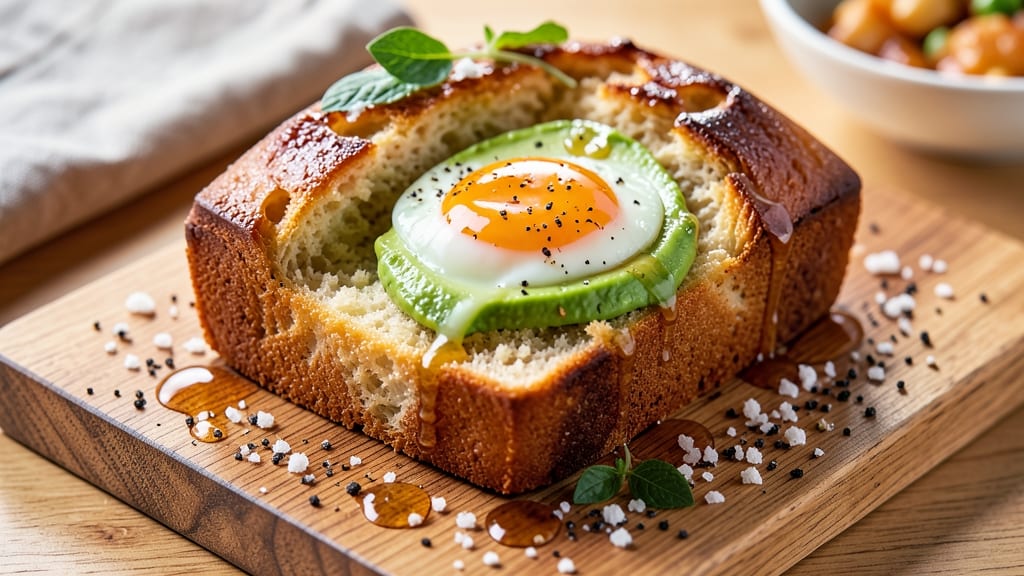
This avocado and egg bread recipe transforms simple ingredients into a breakfast masterpiece where golden, crispy crust meets velvety yolk magic. 🌟 The secret lies in a perfectly balanced dough that bakes up airy yet sturdy enough to hold runny yolks without collapsing—something I perfected after years of trial and error.
What makes this recipe stand out is the contrast: the bread's crisp exterior gives way to a tender crumb, while the avocado adds creamy richness that pairs perfectly with the eggs' decadence.
The process is designed for home cooks who want restaurant-quality results without fuss. You'll start with a simple dough that requires just a few pantry staples, then layer it with avocado and eggs before baking to golden perfection. The key technique?
Baking the bread just until the crust is set—hot eggs go on top in the final minutes, creating that signature runny yolk experience without overcooking the bread underneath. This isn't just breakfast; it's a showstopper that elevates any morning.
What you'll end up with is a loaf that looks as impressive as it tastes—crispy edges that shatter slightly with each bite, a tender interior that soaks up the avocado's creaminess, and eggs that remain perfectly runny in the center.
The aroma alone will have everyone gathering around your table, and the first bite delivers that perfect harmony of textures and flavors. This recipe is foolproof, but the magic happens in those final minutes when the eggs transform from ordinary to extraordinary.
Perfect for weekend brunches, holiday gatherings, or when you want to impress guests with minimal effort. The beauty of this dish is its versatility—serve it warm with a sprinkle of flaky salt, or let it cool slightly for cleaner bites. Here's how to make it happen, step by step.
Ingredients for avocado and egg bread
Simple pantry staples meet fresh avocado and eggs for a bread that's crispy outside, creamy inside.
| Ingredient | Amount | Notes |
|---|---|---|
| All-Purpose Flour 🌾 | 2 cups | Sifted for light texture |
| Granulated Sugar 🍚 | ¼ cup | Light brown preferred |
| Active Dry Yeast 🍞 | ¼ oz | 1 packet, room temperature |
| Warm Water 💧 | ¾ cup | 110°F for yeast activation |
| Unsalted Butter 🧈 | ½ cup | Softened, not melted |
| Large Eggs 🥚 | 2 whole | Room temperature |
| Avocados 🥑 | 1 whole | Ripe, mashed with salt |
| Salt 🧂 | 1 tsp | Fine sea salt preferred |
| Flaky Sea Salt 🧂 | ½ tsp | For topping |
| Extra-Virgin Olive Oil 🫒 | 2 tbsp | For greasing pan |
| Cornmeal 🌽 | ¼ cup | For dusting loaf pan |
| Fresh Dill 🌿 | 2 tbsp | Chopped, optional garnish |
The avocado is non-negotiable for that signature creaminess. Ripe Hass avocados work best—they should yield slightly when gently pressed. I grab mine from Whole Foods or the produce section at Trader Joe's, where they're usually at peak ripeness. For the butter, Plugrá is my go-to for that rich, European-style flavor, but any good-quality unsalted butter will do. The yeast needs to be fresh—if your packet's past its expiration, toss it. For the flour, King Arthur is my trusted brand, but any all-purpose will work if it's fresh. The key here is letting the dough rise properly; don't rush it—patience gives you that perfect airy texture.
No ripe avocados? Use 1/4 cup avocado oil plus 1 tbsp lemon juice to mimic the creaminess, though it won't be identical. Short on fresh dill? Dried dill at one-third the amount works in a pinch, but fresh is ideal. The cornmeal is crucial for preventing sticking—don't skip it. For the eggs, if you're worried about them breaking, use room-temperature eggs to avoid cracking. The bread can be made a day ahead and reheated in a 350°F oven for 10 minutes to restore crispiness. And if you're serving this for a crowd, double the recipe—it disappears fast.
Store any leftovers in an airtight container at room temperature for up to 2 days—the bread actually tastes better the next day as the flavors meld. For longer storage, wrap tightly in plastic and freeze for up to 3 months. To reheat, warm in a 300°F oven for 8-10 minutes until the crust is crisp again. The avocado filling can be prepped ahead and stored in the fridge for 1 day, but add it to the bread just before baking to keep it fresh. This bread is best served warm, so plan accordingly—it's a showstopper that won't wait.
Why You'll Love This Recipe
- No Yeast Stress: I swear by this dough—just mix the warm water, yeast, and a pinch of sugar, let it sit for 10 minutes. That’s it. No waiting hours or guessing if it’s proofed right. The butter-rich dough feels like a hug, and it’s ready to shape while you’re still deciding what to watch on TV.
- Rich Without Fuss: Here’s what sold me—the avocado and egg swirl isn’t just healthy, it’s ridiculously good. The butter keeps it tender, the sugar caramelizes just enough to balance the creamy filling, and that first bite? Crispy crust, gooey center, zero guilt. (Yes, even on a Tuesday night.)
- Breakfast for Brunch: This bread is my go-to for lazy mornings or when friends drop by unannounced. Toast it, top with scrambled eggs or avocado slices, and suddenly you’ve got a full spread. Or make a batch ahead—it freezes like a dream, so you’re never scrambling for a quick meal.
- Budget-Friendly Luxury: Between us, this recipe uses pantry staples you already own. The yeast and flour cost pennies, the butter adds richness without breaking the bank, and one loaf stretches across breakfast, snacks, or even a side dish. Not the prettiest, but the taste makes up for it every time.
Step-by-step instructions for avocado and egg bread
Here's how to create a golden crust that contrasts perfectly with rich, creamy avocado and egg centers.
👨🍳 Step 1: Activate the Yeast and Prepare the Dough
In a small bowl, combine the 0.25 oz active dry yeast with the 0.75 cup warm water (about 110°F) and 0.25 cup granulated sugar. Let it sit for 5-10 minutes until frothy—this tells you the yeast is alive and ready to work. If it doesn't bubble, your bread won't rise properly.
In a large mixing bowl, whisk together the 2 cups all-purpose flour, 1 tsp salt, and the yeast mixture until a shaggy dough forms. The dough should pull away from the sides of the bowl but still be slightly sticky. If it's too dry, add 1 tsp water at a time until just combined. This initial mix creates the foundation for that perfect crispy crust.
🍳 Step 2: Incorporate Butter and Avocado for Richness
Add the 0.5 cup softened unsalted butter and the 2 whole large eggs to the dough. Mix until the butter is fully incorporated and the dough becomes smooth and elastic. Here's the thing—this is where the magic happens. The butter adds moisture and richness, while the eggs bind everything together for a tender crumb.
Next, mash the 1 whole avocado with 1 tsp salt until completely smooth. Gently fold this into the dough until evenly distributed. The avocado contributes natural fats that keep the bread moist, and its creaminess becomes a highlight when you slice into the finished loaf. Don't overmix—just until the avocado is fully incorporated.
⏰ Step 3: Knead and Let the Dough Rest
Turn the dough onto a lightly floured surface and knead for 5-7 minutes until smooth and elastic. You'll know it's ready when it springs back slowly when pressed. This kneading develops gluten, which gives the bread structure and helps create that crispy crust we're after.
Place the dough in a lightly greased bowl, cover with a damp towel, and let it rise in a warm place for 1-2 hours or until doubled in size. The dough should feel light and airy when pressed gently. This resting period allows the yeast to work its magic, creating the perfect texture for that crispy exterior and creamy interior.
🥘 Step 4: Shape and Prepare for Baking
Grease a 9x5-inch loaf pan with 2 tbsp extra-virgin olive oil and sprinkle the bottom with 0.25 cup cornmeal. This creates a barrier that prevents sticking and adds a subtle crunch to the bottom crust. Gently place the risen dough into the pan, shaping it to fit snugly.
Cover the pan with a damp towel and let the dough rise for another 30-45 minutes until it domes slightly above the pan. This final rise ensures maximum volume and that coveted crispy crust. Preheat your oven to 375°F while the dough rises—this ensures it goes straight into a hot oven for even baking.
🔥 Step 5: Bake to Golden Perfection
Bake the bread for 35-40 minutes until the top is golden brown and a toothpick inserted into the center comes out clean. The edges should be crispy while the interior remains soft and moist. If the top browns too quickly, tent the pan with foil to prevent over-browning.
Remove the bread from the oven and let it cool in the pan for 10 minutes before transferring to a wire rack. Sprinkle with 0.5 tsp flaky sea salt and, if using, garnish with 2 tbsp chopped fresh dill. The salt enhances all the flavors, while the dill adds a bright, fresh contrast to the rich avocado and egg. Serve warm for the best texture and flavor experience.
Pro Tips For Making Avocado And Egg Bread
- Proof at 80°F: Yeast loves warmth, but not too warm—80°F is the sweet spot for your dough to double in 1-1.5 hours. I used to eyeball it and end up with a sad, slow rise. Grab a thermometer or test the water: it should feel like a warm bath, not a sauna.
- Mash Avocado Last: Mix the avocado into the dough right before baking, not during mixing. The acid in avocado breaks down gluten faster, making your bread dense. Save it for the final fold—your loaf will stay light and airy.
- Butter Must Melt First: Softened butter? Nope. Melt it first, then cool to 90°F—just warm enough to coat flour but not so hot it kills the yeast. I learned this after a batch of bread that tasted like a greasy, flat pancake.
- Skip the Extra Sugar: The recipe already has enough sugar to feed the yeast. Adding more for "sweetness" just feeds the yeast too much, making your bread rise fast but collapse later. Trust the original amounts—it’s balanced for a reason.
Storing and reheating this recipe
Room-Temp Storage
Keep your avocado and egg bread at room temperature for up to 2 days in an airtight container like a glass loaf pan with a lid or plastic wrap. The flavors actually deepen as the bread sits, making it taste even better the next day.
I store mine wrapped in a clean kitchen towel inside the container to maintain moisture. 🌟
Fridge Refresh
For longer storage, refrigerate for up to 3 days in the same airtight container. To revive the crust, preheat your oven to 350°F, wrap the bread in aluminum foil, and warm for 10-12 minutes.
The foil prevents the crust from drying out while the heat restores its crispiness. I like adding a spritz of water before reheating to boost steam and crispiness.
Freezer Magic
Freeze your bread for up to 3 months by wrapping it tightly in plastic wrap followed by foil. When ready to enjoy, thaw overnight at room temperature, then reheat at 300°F for 15-20 minutes until the crust is golden and crisp again.
For extra crispiness, brush the thawed bread with melted butter before reheating. The avocado filling stays fresh if you freeze it separately and add it fresh when reheating.
Egg Topping Tips
If you're adding eggs to the bread after baking (like a French toast-style finish), store them separately in the fridge for up to 2 days. Crack them into a bowl, cover with plastic wrap, and add them to the bread just before serving.
I like sprinkling everything bagel seasoning on the eggs before baking for an extra flavor boost. 💛
Avocado Prep Ahead
Mash the avocado filling up to 1 day ahead and store it in an airtight container with plastic wrap pressed directly on the surface to prevent browning. Add it to the bread dough right before the final rise—this keeps it vibrant and fresh-tasting.
If you notice any browning, mix in 1 tsp lemon juice to restore its color and creaminess. The filling should be cool but not cold when adding to the dough.
Nutrition facts
Frequently asked questions
Can I make this bread without yeast?
Yes! For a quick version, replace the yeast with 1 tsp baking powder and 1/2 tsp baking soda in the dough. The texture will be denser but still delicious. Skip the first rise and bake immediately after shaping. This works best for a 30-minute version when you're short on time.
How do I keep the eggs from breaking when baking?
Use room-temperature eggs to prevent cracking. When adding them to the bread, gently press them into the top with a spoon rather than dropping. For extra security, make small wells in the dough before placing the eggs. Bake on the middle rack to avoid hot spots that could cause the eggs to overcook or burst.
Can I substitute avocado with something else?
For a similar texture, try 1/2 cup hummus or 1/2 cup mashed sweet potato. Both add creaminess, though the flavor will differ. If you want a richer option, mix 1/4 cup olive oil with 1 tbsp lemon juice for a quick avocado substitute. The bread will still be moist and flavorful.
Why did my bread turn out dense instead of crispy?
Dense bread usually means the dough didn't rise enough. Check your yeast—it may be old or expired. Also, ensure your oven is at the correct 375°F and the dough had enough time to rise (at least 1 hour). For extra crispiness, brush the baked bread with melted butter while still warm.
Can I make this bread in a different shape?
Try shaping it into round boules or free-form loaves for a rustic look. For a flatbread version, press the dough into a 1/2-inch thick rectangle on a baking sheet. Bake at 400°F for 20-25 minutes until golden. The key is adjusting baking time and temperature for the new shape.