
Breakfast & Brunch
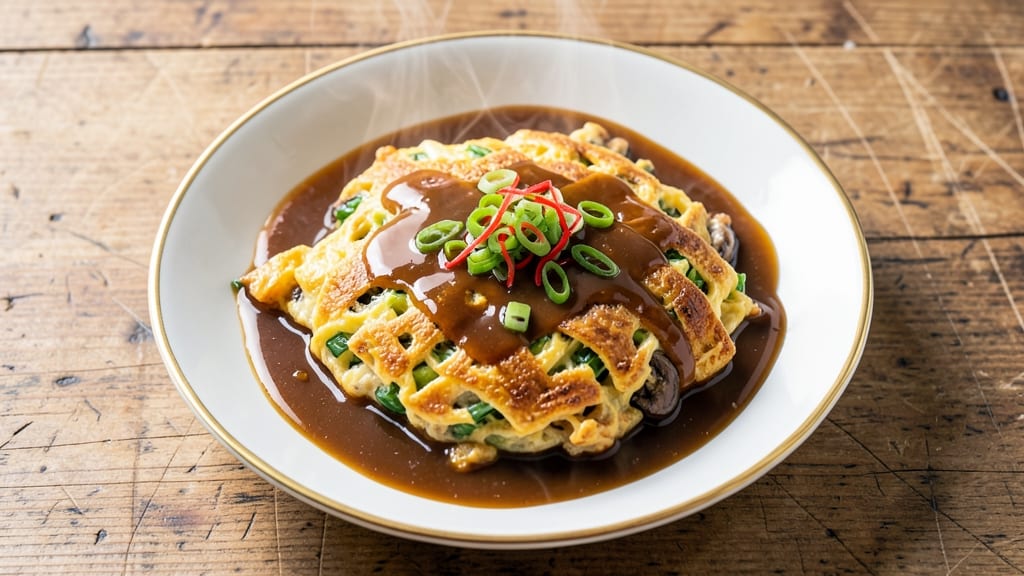
This authentic Egg Foo Young gravy delivers the rich, umami-packed sauce that elevates every bite—savory, slightly sweet, and velvety smooth. The secret lies in balancing soy sauce with a delicate cornstarch slurry, creating that signature velouté consistency that clings perfectly to crispy egg foo young.
I perfected this recipe after years of testing, ensuring the flavors stay true to traditional Chinese-American diner authenticity while being simple enough for home cooks.
The foundation starts with a soy-cream base, where dark soy sauce provides depth and a touch of sugar enhances the natural sweetness of the sauce. A cornstarch slurry is the key to achieving that glossy, silky texture without over-thickening—simmering just until the sauce reaches that ideal velouté stage.
The result? A sauce that’s rich enough to stand alone but harmonizes perfectly with the savory egg foo young.
What makes this gravy truly authentic is the umami-rich broth—a mix of chicken stock and a splash of oyster sauce—that adds complexity without overpowering. The sauce should coat the back of your spoon, clinging to every crispy edge of the egg foo young while maintaining a smooth, velvety mouthfeel.
This is the kind of gravy that transforms a simple dish into a restaurant-worthy experience.
Whether you're serving egg foo young for brunch or as a late-night snack, this gravy ensures every bite is packed with flavor. The recipe scales easily, so you can make a big batch to enjoy throughout the week.
Ready to master the art of authentic Egg Foo Young gravy? Let’s get started.
Ingredients for authentic egg foo young gravy
Nine essential ingredients transform into velvety Egg Foo Young gravy that clings perfectly to every bite.
| Ingredient | Amount | Notes |
|---|---|---|
| Dark Soy Sauce 🍶 | ½ cup | For authentic umami depth |
| Light Soy Sauce 🍶 | ¼ cup | Balances dark soy richness |
| Cornstarch 🌾 | 2 tbsp | For velouté consistency |
| Cold Water 💧 | ¼ cup | For cornstarch slurry |
| Chicken Stock 🍲 | 1 ½ cups | Homemade or high-quality |
| Oyster Sauce 🦪 | 1 tbsp | For authentic umami |
| Granulated Sugar 🍚 | 1 tbsp | Enhances natural sweetness |
| Sesame Oil 🌰 | 1 tsp | Toasted for aroma |
| Green Onions 🧅 | 2 whole | Finely chopped, for garnish |
The dark soy sauce is non-negotiable here—it delivers that signature deep, molasses-like richness that sets this gravy apart. La Choy or Lee Kum Kee are my go-tos, but any quality brand works. The light soy sauce balances the intensity, so don't skip it. Chicken stock should be homemade if possible, but Swanson or Pacific Foods are solid shortcuts. For the cornstarch slurry, whisk it vigorously until smooth—no lumps! The oyster sauce adds that authentic umami kick, and Kikkoman is my preferred brand, but any good-quality one will do. Toast your sesame oil in a dry pan for 30 seconds before adding it to the sauce—this releases those nutty aromas that elevate everything.
No dark soy sauce? Double the light soy sauce plus 1 tsp molasses gets you close. Running low on oyster sauce? Hoisin sauce at half the amount adds sweetness and depth, though it won't be identical. The cornstarch slurry can be made ahead—just whisk and refrigerate until ready to use. For a vegetarian version, swap chicken stock for vegetable stock and use vegetarian oyster sauce (like Annie Chun's). The sugar is crucial—it rounds out the acidity from the soy sauces, so don't skip it. If you're sensitive to sesame, you can omit it entirely, but I'd recommend at least a pinch for authenticity.
This gravy reheats beautifully—just warm it gently on the stove, stirring constantly to prevent lumps. Keeps for 5 days in the fridge, or freeze for up to 3 months. I always double the recipe because it's perfect over rice too. The green onions add freshness, but they're purely decorative—skip them if you prefer a cleaner presentation. For extra richness, stir in a pat of butter at the end, but keep it optional since the sauce is already decadent on its own.
Why You'll Love This Recipe
- Pantry Magic: I swear by this recipe because it uses what I already have—dark and light soy sauce, cornstarch, and chicken stock. No fancy ingredients, just pure, savory flavor that comes together in minutes.
- Umami Bomb: That balance of dark and light soy sauce? It’s the secret weapon. The dark soy gives it that deep, caramelized richness, while the light keeps it bright and addictive. The cornstarch slurry thickens it just enough to coat every bite.
- Lunchbox Hero: Between us, this is my go-to for meal prep. The gravy reheats like a dream, and I can serve it over rice, noodles, or even as a dipping sauce for dumplings. My kids beg for it in their bento boxes—no complaints there.
- Budget Win: A single batch stretches across three meals for my family, and the ingredients cost pennies. Chicken stock adds depth without breaking the bank, and the soy sauces? They’re already in my pantry. Frugal but never boring.
Step-by-step instructions for authentic egg foo young gravy
Here's how to craft that signature umami-rich velouté that elevates your egg foo young.
Create the Cornstarch Slurry
In a small bowl, whisk together the 2 tablespoons cornstarch and 0.25 cup cold water until completely smooth. This slurry is your thickening secret—it needs to be lump-free or you'll end up with grainy gravy. I like to whisk vigorously for about 30 seconds to ensure no cornstarch particles remain. Set this aside while you prepare the base.
The cold water is crucial here—it prevents the cornstarch from activating too quickly when it hits the hot liquid. If you use warm water, you risk a thick, gluey mess instead of a silky velouté. This step happens first because we want that slurry ready to go when the stock comes to a simmer.
Build the Umami Base
In a medium saucepan, combine the 1.5 cups chicken stock, 0.5 cup dark soy sauce, 0.25 cup light soy sauce, 1 tablespoon oyster sauce, and 1 tablespoon granulated sugar. Bring to a gentle simmer over medium heat, stirring occasionally to prevent scorching. The mixture should bubble steadily but not boil vigorously.
Here's where the authentic flavors develop. The dark soy sauce gives that signature mahogany color and deep umami, while the light soy balances with brightness. The oyster sauce adds complexity, and the sugar enhances the natural sweetness of the stock. Let it simmer uncovered for 5 minutes—this allows the flavors to meld and the liquid to reduce slightly by about ¼ cup. You'll smell that rich, savory aroma developing.
Thicken the Gravy
Slowly pour the cornstarch slurry into the simmering liquid while whisking continuously. This gradual addition prevents lumps from forming. Once fully incorporated, increase the heat to medium-high and bring to a gentle boil. Let it cook for 1-2 minutes until it thickens to a velouté consistency—it should coat the back of a spoon but still be pourable.
Watch closely during this phase. The gravy should thicken noticeably within 30-60 seconds of reaching a boil. If it thickens too quickly, add 1-2 tablespoons cold water to adjust the consistency. The goal is a glossy, smooth sauce that clings beautifully to egg foo young without being gluey. Remove from heat immediately once it reaches the desired thickness.
Finish with Sesame Oil and Garnish
Reduce the heat to low and stir in the 1 teaspoon sesame oil. This adds that signature nutty aroma that completes the dish. Let it infuse for 30 seconds—you'll smell the toasted sesame notes wafting through the kitchen. Taste and adjust seasoning if needed, though with all these umami ingredients, it should be perfectly balanced.
Finely chop the 2 whole green onions and stir half into the gravy. Reserve the remaining half for garnish. The green onions add freshness that cuts through the richness. Serve the gravy immediately over your egg foo young, spooning the reserved green onions on top for that restaurant-quality presentation. The gravy should be hot when served—it thickens slightly as it cools, so don't over-thicken it at the end.
Pro Tips For Making Authentic Egg Foo Young Gravy
- STIR CONSTANTLY AT FIRST: The second you add the cornstarch slurry to the chicken stock, grab that spoon and don’t let up for 30 seconds. I learned this after making gravy that looked like glue—high heat + cornstarch needs constant motion to prevent clumping. Once it thickens slightly (about 1 minute), you can ease up, but those first 30 seconds are non-negotiable.
- USE COLD CORNSTARCH SLURRY: Chill that cornstarch-water mix in the fridge for 10 minutes before adding it to the stock. Warm slurry breaks down too fast, giving you a thin, pasty gravy instead of a glossy, coatable sauce. I was skeptical until I tried it—now it’s my go-to for restaurant-quality texture.
- SALT THE STOCK BEFORE THICKENING: Season the chicken stock before adding the soy sauces—about ½ teaspoon of salt per cup of stock. Soy sauce is salty, and if you wait to season, you’ll either miss the mark or overdo it. Trust me, your gravy will taste flat if you save the salt for later.
- DARK SOY SAUCE LAST: Add the dark soy sauce only at the very end, just before serving. It’s rich and bitter, and if you cook it too long, it’ll turn the gravy bitter or even slightly burnt. A splash at the end keeps the color vibrant and the flavor balanced—no one wants gravy that tastes like burnt caramel.
Serving suggestions for this authentic egg foo young gravy
Gravy Over Rice
This gravy isn’t just for egg foo young—it’s a game-changer over steamed jasmine rice. The rich umami flavors meld beautifully with the neutral canvas of rice, creating a comforting bowl perfect for brunch or dinner.
I like to serve it with a fried egg on top for extra decadence, or sprinkle with extra green onions for brightness. 🍚
Dipping Sauce
Turn your gravy into a dipping sauce for dumplings, spring rolls, or even crispy fried chicken. Thin it slightly with 1-2 tablespoons hot water if needed to achieve a lighter, more pourable consistency.
The balance of soy and sesame makes it ideal for soaking up with chopsticks or dipping crispy edges. Trust me, it’s a crowd-pleaser at any Asian-inspired spread.
Breakfast Hash
Stir this gravy into a breakfast hash with potatoes, bell peppers, and scrambled eggs for a hearty morning meal. The velvety texture coats every bite, while the umami depth keeps things satisfying.
I often add a pinch of white pepper to the gravy before serving for a subtle kick that pairs perfectly with breakfast flavors. It’s like a cozy hug in a bowl! 🍳
Garnish Ideas
Elevate your presentation with these easy garnishes: a drizzle of toasted sesame seeds, a sprinkle of crispy fried shallots, or a few cilantro leaves for freshness. I love adding a thin slice of jalapeño for heat lovers, or a dollop of sour cream for a creamy contrast.
The key is to keep it simple—let the gravy shine while the garnishes add texture and visual appeal.
Pairing Drinks
Balance the richness of this gravy with a crisp jasmine tea or a cold green tea like Sencha. For something bubbly, try a sparkling yuzu soda—the citrus cuts through the umami beautifully.
If you prefer alcohol, a dry Riesling or a light sake> complements the flavors without overpowering. 🍶
Make-Ahead Tips
This gravy reheats beautifully, making it perfect for meal prep. Store leftovers in an airtight container in the fridge for up to 5 days, or freeze for 3 months. When reheating, add 1-2 tablespoons water per cup of gravy to prevent thickening.
I always double the recipe—it’s just as delicious the next day over rice or noodles. The flavors deepen as it sits, so it only gets better! ✨
Nutrition facts
Frequently asked questions
Can I substitute dark soy sauce in this gravy?
Yes, but you'll need to adjust the flavor profile. Replace the 0.5 cup dark soy sauce with 0.5 cup light soy sauce plus 1 teaspoon molasses. The molasses mimics the deep caramel notes of dark soy, though the color won't be as rich. For a vegetarian version, use vegetarian oyster sauce (like Annie Chun's) and ensure your stock is plant-based.
Why did my gravy turn out too thick?
This usually happens when the cornstarch slurry cooks too long or the heat is too high. To fix it, whisk in 1-2 tablespoons cold water while stirring constantly. For prevention, remove the gravy from heat immediately once it reaches a velouté consistency—it will thicken slightly more as it cools. The ideal texture should coat the back of a spoon but remain pourable.
How do I make this gravy vegetarian?
Swap the chicken stock for vegetable stock and use vegetarian oyster sauce (like Annie Chun's). For extra umami depth, add 1 teaspoon mushroom powder or 1 tablespoon soy sauce to the simmering base. The cornstarch slurry and sesame oil remain the same—this keeps the authentic texture while making it plant-based.
Can I make this gravy ahead of time?
This gravy actually tastes better the next day as the flavors deepen. Store it in an airtight container in the fridge for up to 5 days, or freeze for 3 months. When reheating, add 1-2 tablespoons water per cup of gravy to restore the pourable consistency. I recommend doubling the recipe—it's perfect over rice or noodles the next day!
What's the secret to getting that glossy, restaurant-style finish?
The gloss comes from two key techniques: using cold water for the cornstarch slurry (prevents lumps) and simmering uncovered for 5 minutes before thickening. After adding the slurry, cook just until it reaches a gentle boil—1-2 minutes max—and remove immediately. The residual heat will continue thickening it slightly. For extra shine, finish with a 1/2 teaspoon toasted sesame oil swirled in at the end.