
Breakfast & Brunch
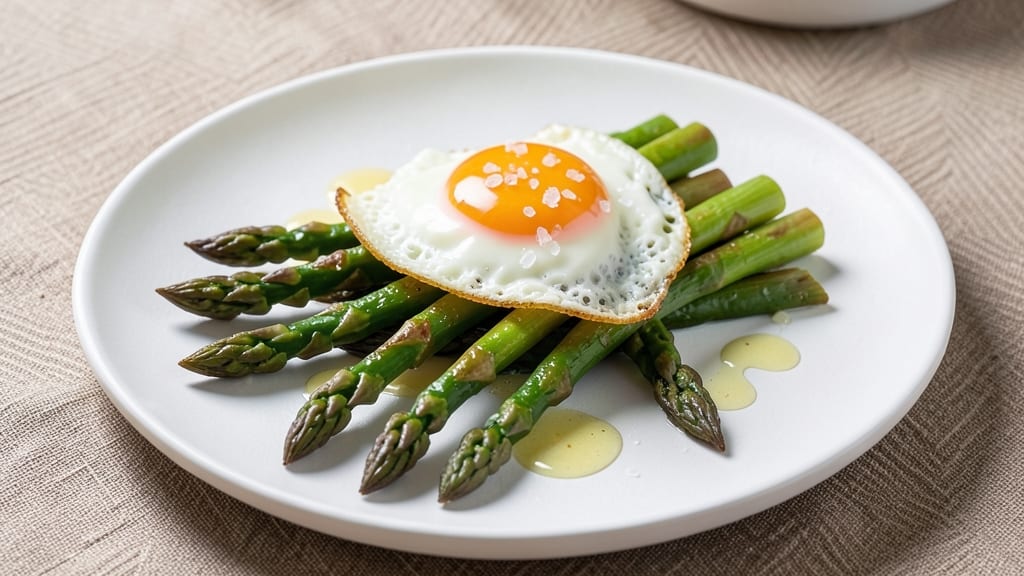
This asparagus and fried egg recipe transforms a simple breakfast into a restaurant-worthy dish with crispy asparagus and perfectly runny yolks. The secret lies in high-heat roasting for tender yet crisp edges on the greens, paired with eggs fried just until the whites are set and yolks remain vibrant.
I developed this recipe after realizing how often breakfast gets overlooked for something more elaborate—until now.
The magic happens in the timing: roast the asparagus until it's tender-crisp (about 10 minutes at 425°F), then fry the eggs in butter until the whites are golden and yolks stay liquid.
A pinch of flaky salt and a squeeze of lemon brighten both components, while a drizzle of high-quality olive oil adds richness. This balance of textures—crispy, creamy, and tender—makes every bite satisfying.
Serve this dish with a side of crusty toast or a simple arugula salad to round out the meal. The runny yolk will glaze the asparagus, creating a luxurious mouthfeel, while the crisp edges add contrast.
Pair it with a crisp white wine or sparkling lemon water for a refreshing touch. It’s the kind of breakfast that feels like a celebration, even on a weekday.
What sets this recipe apart is the attention to detail—no soggy greens or overcooked yolks here. The technique is straightforward but yields results that taste like you spent hours in the kitchen. Ready to elevate your mornings? Let’s get started with this foolproof method.
Ingredients for asparagus and fried egg
Crispy asparagus and velvety yolks—this vegetarian breakfast delivers restaurant-quality results with just eleven ingredients.
| Ingredient | Amount | Notes |
|---|---|---|
| Fresh Asparagus 🌱 | 1 lb | Medium spears, trimmed ends |
| Large Eggs 🥚 | 4 whole | Room temperature for even cooking |
| Unsalted Butter 🧈 | 4 tbsp | European-style preferred for richness |
| Extra-Virgin Olive Oil 🫒 | 2 tbsp | High-quality, fruity variety |
| Flaky Sea Salt 🧂 | ½ tsp | Diamond Crystal preferred |
| Fresh Lemon Juice 🍋 | 1 tbsp | From organic Meyer lemons |
| Garlic Cloves 🧄 | 2 cloves | Minced, for optional flavor boost |
| Fresh Thyme Leaves 🌿 | ¼ tsp | Chopped, for aromatic depth |
| Crusty Bread 🍞 | 8 slices | Baguette or sourdough preferred |
| Baby Arugula 🥬 | 2 cups | For optional salad base |
| Balsamic Vinegar 🍷 | 1 tsp | For optional salad dressing |
The asparagus selection is critical. Thick stalks (about 1/2-inch diameter) achieve the perfect crisp-tender texture. Whole Foods or local farmers markets offer the freshest spears—look for vibrant green tips and firm stalks. Trim the woody ends with a sharp knife, leaving the tender parts intact. For optimal flavor, choose organic asparagus when possible, as conventional varieties can sometimes have a bitter edge. The eggs should be fresh but not ultra-fresh—they'll hold their shape better during frying. Store eggs in their original carton in the coldest part of your fridge, and let them sit at room temperature for 30 minutes before cooking for even cooking.
No extra-virgin olive oil? Avocado oil works equally well for high-heat roasting, though it lacks the fruity depth. Substitute the butter with vegan butter or coconut oil if needed, though the flavor will differ slightly. For the garlic and thyme, dried works in a pinch—use half the amount—but fresh delivers superior aroma. The arugula can be swapped for baby spinach or mixed greens if unavailable. Balsamic vinegar is optional but adds a tangy contrast; aged balsamic glaze from Trader Joe's is a convenient alternative. To achieve the perfect runny yolk, use eggs that are 7-10 days old—fresher eggs have firmer yolks that resist spreading.
Store trimmed asparagus in a sealed container with a damp paper towel for up to 3 days in the fridge. The eggs should be used within 1 week of purchase for optimal texture. Prep the asparagus ahead by trimming and storing upright in a glass with 1 inch of water in the fridge—this keeps them crisp for 24 hours. The butter and olive oil can be stored at room temperature, while the lemon juice should be refrigerated. This dish reheats beautifully—simply warm the asparagus in a skillet for 2 minutes and refry the eggs in fresh butter. Portion the components separately to maintain crispness and yolk perfection.
Why You'll Love This Recipe
- Five-Ingredient Magic: I swear by this recipe because it’s that simple—just asparagus, eggs, butter, olive oil, and salt. No chopping, no measuring cups, no stress. Trim the asparagus ends (or buy pre-cut if you’re really lazy), melt butter in a pan, and you’re halfway there.
- Rich Contrast Explosion: The crispy fried egg yolk drizzling over tender asparagus? It’s like a flavor hug. Butter and olive oil work together to make the asparagus caramelized at the edges while the egg stays runny—because we’re not savages.
- Breakfast or Dinner Fix: Honestly, this dish works anytime. Serve it with crusty bread for a lazy weekend brunch or toss in a salad for a fancy-ish lunch. My roommate ate it cold the next day—no judgment.
- Budget Breakthrough: Fresh asparagus is seasonal but affordable, and eggs? Cheap protein gold. A single pan, minimal ingredients, and zero waste. Leftovers? Reheat the asparagus in the same pan with a splash of water—it’s basically a second meal for half the effort.
Step-by-step instructions for crispy asparagus with perfect fried eggs
Master this balance of textures—crisp asparagus, silky yolks, and buttery richness—in just minutes.
Blanch and Sear the Asparagus for Crisp-Tender Perfection
Fill a large skillet with 2 inches of water and bring to a rolling boil over high heat. Add the 1 lb fresh asparagus (trimmed ends) and blanch for 2-3 minutes until bright green but still slightly crisp. Drain immediately and transfer to a paper towel-lined plate to remove excess moisture.
In the same skillet (no need to clean it), heat 2 tablespoons extra-virgin olive oil over medium-high heat until shimmering. Add the blanched asparagus in a single layer and sear for 2-3 minutes per side until golden brown with crisp edges. You're looking for that perfect contrast—tender centers with crispy, caramelized tips. Remove and set aside, keeping warm.
Prepare the Garlic-Thyme Butter for Richness
Reduce heat to medium and add 2 tablespoons unsalted butter to the same skillet. Once melted, add the 2 minced garlic cloves and 0.25 teaspoon chopped fresh thyme leaves, cooking for 30 seconds until fragrant but not browned. This aromatic butter will infuse the eggs with depth of flavor.
Here's the thing—don't rush this step. The garlic should sizzle gently, releasing its sweetness without burning. If it starts to color too quickly, immediately reduce heat to low. This butter will form the luxurious base for your fried eggs, so take your time to get it right.
Fry the Eggs to Silky Perfection
Crack the 4 whole large eggs (room temperature) directly into the skillet with the garlic butter. Let them sit undisturbed for 2-3 minutes until the whites are set but the yolks remain completely runny. The key is patience—you want that perfect custardy center that breaks like liquid gold when you cut in.
Once the whites are fully set but the yolks still jiggle slightly, carefully transfer the eggs to a plate and keep warm. The residual heat in the skillet will maintain their perfect texture while you finish the dish. If you're worried about overcooking, work quickly—fried eggs lose their ideal consistency faster than you might think.
Assemble with Crispy Bread and Optional Arugula Salad
Toast the 8 slices crusty bread until golden and crisp, then divide among plates. Arrange the crispy asparagus alongside each fried egg, spooning any remaining garlic butter over the top. The contrast of temperatures—warm eggs, crisp asparagus, cool bread—creates an incredible textural experience.
For the optional salad component, toss the 2 cups baby arugula with 1 teaspoon balsamic vinegar and a pinch of 0.5 teaspoon flaky sea salt. Drizzle with a touch of the remaining olive oil if desired. This bright, peppery salad cuts through the richness of the eggs and asparagus beautifully. Serve immediately while everything is at its peak texture and temperature.
Finish with Lemon and Salt for Bright Acidity
Just before serving, drizzle each plate with 1 tablespoon fresh lemon juice (divided among the servings) and sprinkle generously with the remaining 0.5 teaspoon flaky sea salt. The acidity from the lemon brightens the rich flavors, while the salt enhances all the components without overpowering them.
This final touch is what elevates the dish from good to exceptional. The lemon juice should cut through the richness of the eggs and butter, while the flaky salt adds a luxurious finish that makes each bite feel special. Serve immediately—every component is at its absolute best when hot and fresh.
Pro Tips For Making Asparagus And Fried Egg
- Trim the Tough Ends: I learned this the hard way—peeling asparagus is optional, but snapping off the woody bottoms (about an inch from the base) makes all the difference. Use your fingers: bend the stalk until it snaps cleanly. No knife needed, and no bitter surprises when biting into a tough end.
- Salt the Butter First: Toss a pinch of flaky sea salt into the butter before melting it in the pan. The salt dissolves into the fat, so every bite of asparagus and egg gets that bright, consistent seasoning. Skip this, and you’ll end up chasing flavor with extra salt at the table.
- Cook Eggs Low and Slow: After the asparagus hits the pan, turn the heat to medium-low for the eggs. High heat = rubbery whites and overcooked yolks. You want a runny yolk and set whites—about 3-4 minutes total. Patience here guarantees a perfect egg every time.
- Sear Asparagus in Olive Oil: Start the asparagus in olive oil, not butter—it’s hotter smoking point means better browning. After 2 minutes, add the butter for richness. The oil jumpstarts the sear, while the butter finishes with flavor. Swap the order, and you’ll end up with soggy asparagus.
Wine and beer pairings for this dish
Crisp White Wine
For this dish, I reach for a dry, unoaked white wine with bright acidity and citrus notes that complement the lemon finish. A Sauvignon Blanc from New Zealand or Loire Valley is perfect—think Cloudy Bay or Sancerre.
The zesty grapefruit and herbal undertones mirror the asparagus and thyme, while the crisp acidity cuts through the richness of the fried eggs. Serve slightly chilled (45-50°F) to enhance the refreshing contrast. 🍷
Sparkling Lemonade
When I want something lighter, I make a sparkling lemonade by mixing ½ cup sparkling water with ¼ cup fresh lemon juice and a touch of honey (about 1 tsp). The effervescence cleanses the palate between bites of buttery eggs, while the lemon echoes the dish's finishing touch.
For a boozy twist, add 1 oz gin per glass—this becomes a perfect brunch cocktail. The bubbles keep the drink feeling fresh and invigorating.
Light Beer Pairings
A Belgian witbier like Hoegaarden or Stella Artois works surprisingly well with this dish. The coriander and citrus notes in witbiers harmonize beautifully with the lemon and thyme flavors, while the crisp, effervescent quality balances the richness.
For a hoppier option, try a German Pilsner—the clean, herbal profile won't overpower the delicate asparagus and eggs. Serve all beers well-chilled (38-42°F) for the best experience. 🍺
Avoid Heavy Options
Skip the bold reds or heavy whites—they'll overpower the dish's delicate balance. Avoid oaked Chardonnay, Malbec, or Barolo, as their tannins and oak flavors clash with the bright, fresh components.
Even rich whites like buttery Chardonnay can make the eggs taste greasy. Instead, stick to wines and beers with high acidity and citrus notes—they'll let the dish shine without competing for attention.
Nutrition facts
Frequently asked questions
Can I use frozen asparagus instead of fresh?
Fresh asparagus gives the best texture, but frozen works in a pinch! Thaw it completely first, then pat dry thoroughly to prevent soggy greens. Blanch for 3-4 minutes (longer than fresh) to ensure tender-crisp results. The flavor won't be as vibrant, but the technique remains the same.
How do I get the perfect runny yolk every time?
The secret is using room-temperature eggs and cooking them low and slow. Start with eggs that are 7-10 days old (fresher eggs have firmer yolks). Fry over medium-low heat and remove when whites are just set but yolks still jiggle like jelly.
What's the best way to reheat this dish?
Reheat asparagus in a dry skillet for 1-2 minutes over medium heat until crisp again. For eggs, fry fresh in butter—never microwave! The texture changes dramatically when reheated, so it's best enjoyed fresh. If making ahead, cook components separately and assemble just before serving.
Can I make this vegetarian-friendly?
This dish is already vegetarian. For extra protein, serve with a side of avocado slices or white beans. The crispy asparagus and runny yolks provide plenty of satisfaction without any animal products. The garlic-thyme butter adds rich depth that vegans will love too!
Why does my asparagus turn mushy?
Overcooking or not draining properly causes mushiness. Always blanch asparagus for only 2-3 minutes—it should stay slightly firm. After blanching, drain completely and pat dry with paper towels before searing. The residual moisture steams the greens instead of crisping them.