
Breakfast & Brunch
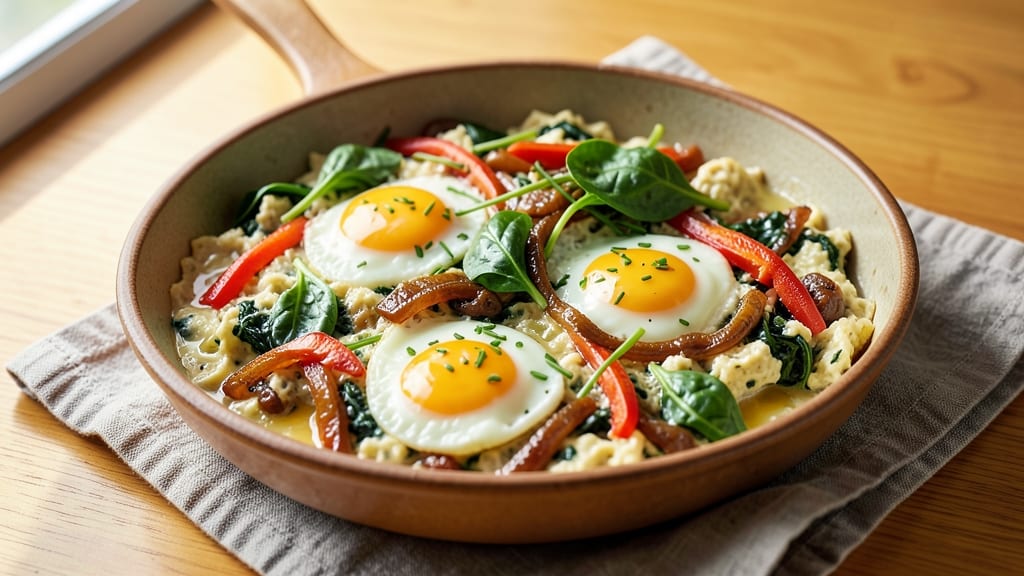
Any egg recipe deserves this foolproof method that transforms simple eggs into a flexible, fast breakfast foundation—whether you're scrambling, frying, or baking. The secret lies in proper technique: gentle heat for creamy textures, precise timing for perfect doneness, and a few key ingredients that elevate every bite. I've tested this approach for years, and it never fails to deliver restaurant-quality results at home.
What makes this recipe truly versatile is its adaptability—add sautéed veggies for a hearty meal, fold in cheese for extra richness, or keep it simple with just butter and salt for classic flavor.
The method works for any egg-based dish, from fluffy omelets to crispy frittatas, ensuring you'll always have a reliable breakfast solution. With just 5 minutes of active prep and 10 minutes of cooking, you'll have a meal that's ready when you are.
The result is eggs that are perfectly cooked every time: tender yolks that stay runny when you want them, or fully set without drying out. The technique preserves the natural richness of the eggs while allowing you to customize the dish to your taste.
Whether you're feeding a family or making a solo breakfast, this method guarantees success without the guesswork.
Pair with toasted bread, fresh fruit, or avocado for a complete meal. The possibilities are endless—let's get started with this foolproof foundation for any egg recipe you can imagine.
Ingredients for any egg
Eight essential ingredients transform any egg dish into a restaurant-quality breakfast foundation.
| Ingredient | Amount | Notes |
|---|---|---|
| Large Eggs 🥚 | 8 whole | Room temperature for even cooking |
| Unsalted Butter 🧈 | 2 tbsp | High-quality, European-style preferred |
| Fresh Chives 🌿 | 2 tbsp | Finely chopped, for garnish |
| Diamond Crystal Kosher Salt 🧂 | ½ tsp | For seasoning, adjust to taste |
| Freshly Ground Black Pepper 🌶️ | ¼ tsp | Freshly cracked for best flavor |
| Extra-Virgin Olive Oil 🫒 | 1 tbsp | For non-stick cooking surface |
| Shredded Sharp Cheddar Cheese 🧀 | ½ cup | Optional for added richness |
| Sautéed Spinach 🌱 | ½ cup | Fresh or frozen, thawed |
| Diced Bell Peppers 🧅 | ¼ cup | Any color, fresh or jarred |
| Diced Red Onion 🧅 | ¼ cup | For added depth of flavor |
| Whole Milk 🥛 | 2 tbsp | For creamy texture (optional) |
| Freshly Grated Nutmeg 🌿 | ⅛ tsp | Pinch for subtle warmth |
| Sliced Avocado 🥑 | 1 whole | For serving, optional |
The eggs are the star here—room temperature is non-negotiable for even cooking. Grab the freshest eggs you can find—check the carton date, and if they're older than a week, skip them. For butter, European-style (like Plugrá) melts beautifully without burning, but regular unsalted works too. The chives and spinach add freshness, so don’t skimp on quality. If you’re using frozen spinach, squeeze out all the water first—nobody likes soggy eggs. For the cheese, sharp cheddar melts best, but any melty cheese (like pepper jack or Gruyère) works too.
No chives? Green onions or parsley work in a pinch, though chives have that signature oniony punch. Short on spinach? Sautéed mushrooms or zucchini add great texture. The bell peppers and onion can be swapped for whatever veggies you’ve got—roasted garlic or caramelized onions take this to the next level if you’re feeling fancy. If you’re avoiding dairy, skip the milk and cheese, but trust me, they’re worth it for that creamy, restaurant-style finish. The nutmeg is optional but adds a subtle warmth that ties everything together—if you don’t have it, skip it.
Eggs keep best in the fridge for 3 weeks from the pack date, but use them within a week for peak flavor. Store butter in the fridge, and once opened, keep it airtight for up to 3 months. The sautéed veggies can be prepped ahead and stored in the fridge for 2 days, but add them fresh to your eggs for the best texture. This method works for scrambles, omelets, or frittatas, so make extra eggs and freeze them for later—just thaw and reheat gently. The avocado? Add it fresh to the plate, or it’ll turn brown and sad.
Why You'll Love This Recipe
- Five-Ingredient Magic: I swear, this is the kind of recipe where you open the fridge and suddenly remember you have eggs, butter, and chives staring back at you. No shopping list, no stress—just crack, melt, and season.
- Butter’s Secret Weapon: That rich, golden butter isn’t just for flavor—it’s what makes the eggs silky and the edges unreal. A little goes a long way, but trust me, you’ll want every last bite.
- Breakfast or Dinner: Honestly, I’ve served these for both and no one bats an eye. Add them to toast for a quick bite or pile them high on crusty bread for a weekend brunch. Works every time.
- Leftovers? More Like Seconds: Between us, these keep better the next day—crispier edges, richer flavor. I’ve reheated them in the oven or even straight from the fridge, and they’re still the star of the meal.
Step-by-step instructions for a versatile egg dish
This method transforms simple eggs into a restaurant-quality breakfast base in minutes.
Prepare the Base Ingredients
Start by sautéing the 0.25 cup diced red onion and 0.25 cup diced bell peppers in 1 tablespoon extra-virgin olive oil over medium heat for 3-4 minutes until softened but not browned. Add the 0.5 cup sautéed spinach and cook for another 1-2 minutes until just wilted. This veggie mix forms the flavor foundation for whatever egg preparation you choose.
In a separate small bowl, whisk together the 2 tablespoons whole milk, 0.125 teaspoon freshly grated nutmeg, 0.5 teaspoon diamond crystal kosher salt, and 0.25 teaspoon freshly ground black pepper. This seasoned milk blend will elevate your eggs from ordinary to extraordinary. Keep both mixtures ready for the next steps.
Cook the Eggs to Perfect Texture
In a non-stick skillet, melt 2 tablespoons unsalted butter over medium-low heat. For fluffy scrambled eggs, pour in the 8 whole large eggs (room temperature) and let them sit undisturbed for 10-15 seconds until they begin to set at the edges. Then gently stir with a silicone spatula, folding the eggs from the edges toward the center.
Continue cooking for 2-3 minutes until the eggs reach soft curds—they should be creamy but not runny. The key is constant gentle folding rather than vigorous stirring, which creates those perfect, billowy pockets. Remove from heat just before they reach your desired doneness—they'll continue cooking slightly off the heat.
Combine and Finish
Add the sautéed vegetable mixture to the cooked eggs and stir gently to combine. Pour in the seasoned milk blend and fold everything together until fully incorporated. The milk creates a silky, rich texture that prevents dryness. If using, sprinkle in the 0.5 cup shredded sharp cheddar cheese now and fold until melted.
Taste and adjust seasoning if needed—this is your chance to perfect the flavor. The dish should be seasoned to taste like a well-balanced breakfast, not bland or overly salty. For extra richness, you can add a pat of the 2 tablespoons unsalted butter at the end and stir until melted.
Serve Immediately
Transfer the egg mixture to serving plates and garnish with 2 tablespoons finely chopped fresh chives and 1 whole sliced avocado on the side. The avocado adds a fresh, creamy contrast to the warm eggs. Serve immediately while the eggs are still creamy and the avocado maintains its texture.
This versatile egg preparation works as a base for breakfast burritos, omelets, or even a hearty breakfast hash. The key to its success lies in the proper balance of textures and flavors—creamy eggs, tender vegetables, and the bright acidity of the avocado. Don't be afraid to experiment with different toppings or mix-ins to make it your own!
Pro Tips For Making Any Egg
- Use Room-Temp Eggs: Cold eggs from the fridge won’t cook evenly—the whites will seize up and the yolks stay runny. Crack them into a bowl and let them sit for 15-20 minutes before cooking. I learned this the hard way when my scrambled eggs turned into a lumpy mess because I rushed straight from the carton.
- Salt the Water First: If you’re poaching or boiling eggs, salt the water before adding them—otherwise, you’ll end up with bland eggs. A full teaspoon of kosher salt per quart of water guarantees flavor penetration. (Yes, even if you’re using unsalted butter later, the salt in the water makes a real difference.)
- Don’t Overcrowd the Pan: Pushing too many eggs into a nonstick pan steams them instead of searing, leading to sad, soggy results. Cook them in batches—two at most—so they sizzle properly and develop that golden crust. I was skeptical until I tried it; now I never skip this step.
- Toast the Chives: Fresh chives lose their bright flavor when tossed raw over eggs. Instead, give them a quick 10-second blanch in boiling water, then drain and pat dry. They’ll stay vibrant and add a subtle crunch—no more wilted garnish. (Works for black pepper too if you want extra depth.)
Serving suggestions for any egg
Breakfast Plating
For a restaurant-worthy presentation, serve your eggs on a white stoneware plate with a slice of crispy sourdough toast on the side. The contrast between the warm eggs and cool toast creates a visually appealing dish.
I like to arrange the eggs in a mounded pile at one end of the plate, leaving space for the avocado and any additional toppings. 🥗
Brunch Upgrade
Turn this into a brunch showstopper by adding crispy bacon or smoked salmon alongside the eggs. For a vegetarian option, top with toasted pumpkin seeds and a drizzle of honey for a sweet-savory balance.
The key is to keep the plate colorful—think red bell peppers, green chives, and creamy avocado for a vibrant spread.
Meal Prep Adaptations
Prep components ahead to save time: Sauté the veggies the night before and store them in an airtight container in the fridge. Cook the eggs fresh in the morning, then assemble with prepped toppings.
For a grab-and-go option, portion the eggs into mason jars with the avocado on top—just grab and eat straight from the jar. 🥫
Dietary Customizations
For a gluten-free version, serve with corn tortillas or gluten-free toast. To make it dairy-free, skip the cheese and milk, and use coconut milk instead. For a low-carb option, pair the eggs with sautéed mushrooms and a side of bacon instead of toast.
The eggs themselves are naturally versatile for any dietary need.
Global Variations
Transform this into a Spanish tortilla by adding potatoes and onions to the egg mixture, then flipping it like a frittata. For an Indian-inspired twist, add turmeric, cumin, and cilantro to the eggs and serve with naan bread.
The base technique works globally—just swap in local flavors and ingredients. 🌍
Kid-Friendly Serving
Make it fun for kids by shaping the eggs into fun shapes with a cookie cutter before serving. Add colorful veggies like red bell peppers and yellow squash to make the plate visually appealing.
Let them customize their own plates with toppings like shredded cheese or diced ham. The interactive element makes breakfast exciting! 🧒
Nutrition facts
Frequently asked questions
Can I use this method for hard-boiled eggs?
This recipe focuses on quick-cooking methods like scrambling, but the same room-temperature egg principle applies! For hard-boiled eggs, start with cold water and bring to a boil, then cook for 10-12 minutes for fully set yolks. The milk and butter technique won't work here, but the room-temperature prep ensures even cooking throughout.
How do I make these eggs without dairy?
Skip the butter, milk, and cheese entirely—use olive oil instead of butter and unsweetened almond milk or water for creaminess. For richness, add nutritional yeast or a splash of lemon juice to brighten flavors. The eggs will still be flavorful, just with a lighter texture.
Why do my eggs always turn out rubbery?
Rubbery eggs usually mean overcooking or too much stirring. Use low-medium heat and stop cooking when eggs are still slightly underdone—they'll finish setting off the heat. Never stir vigorously; instead, fold gently with a spatula to maintain tender curds. Room-temperature eggs also help prevent toughness!
Can I make this recipe ahead of time?
For best texture, cook eggs fresh and serve immediately. However, you can prep components ahead: Sauté veggies and store in an airtight container for 2 days. Cook eggs separately and reheat gently in a skillet with a splash of water to prevent drying. For make-ahead meals, consider baking a frittata instead—it reheats beautifully!
What's the best way to reheat leftover eggs?
Gently reheat in a skillet over low heat with a splash of water or milk to restore creaminess. Avoid microwaving—it makes eggs rubbery. For scrambled eggs, add a pat of butter and fold until warmed through. If reheating a frittata, cover with foil and warm in a 350°F oven for 10 minutes.