
Breakfast & Brunch
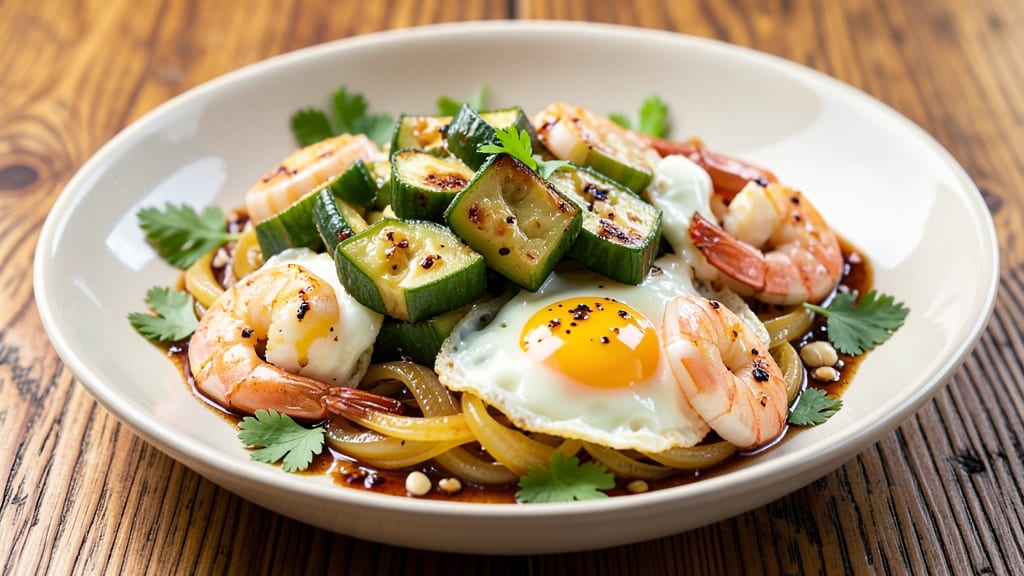
This ampalaya with egg and shrimp recipe transforms a humble Filipino vegetable into a hearty, one-pan breakfast masterpiece. The key lies in balancing bitter ampalaya with savory shrimp and rich eggs, all simmered in a fragrant garlic-onion base.
I developed this dish after craving the comforting flavors of Filipino home cooking—quick, flavorful, and perfect for busy mornings.
The beauty of this recipe is its simplicity: shrimp sautéed until pink, ampalaya tenderized just enough to soften without losing texture, and eggs cooked to your preferred doneness. Traditional Filipino seasonings—soy sauce, black pepper, and a touch of sugar—elevate the dish, creating a harmonious blend of sweet, salty, and umami.
It’s the kind of meal that feels indulgent yet effortless.
What sets this dish apart is its fast preparation—ready in under 30 minutes—while delivering restaurant-quality flavors. The shrimp adds protein, the eggs bring richness, and the ampalaya provides a satisfying bite. Serve it with steamed rice or crusty bread to soak up every last drop of the savory sauce.
Whether you're a Filipino food enthusiast or simply love one-pan meals, this recipe delivers bold flavors without the fuss. The secret? Patience in cooking the ampalaya and timing the eggs just right. Let’s get cooking!
Ingredients for ampalaya with egg and shrimp
Fresh ampalaya, plump shrimp, and rich eggs—this Filipino breakfast fusion comes together in one pan.
| Ingredient | Amount | Notes |
|---|---|---|
| Ampalaya (Bitter Melon) 🍉 | 1 ½ lb | Fresh, cut into 1-inch pieces |
| Large Shrimp 🦐 | 1 lb | Peeled, deveined, tail-on |
| Large Eggs 🥚 | 4 whole | Fresh, room temperature |
| Yellow Onion 🧅 | 1 whole | Thinly sliced, medium size |
| Garlic Cloves 🧄 | 6 cloves | Minced, fresh preferred |
| Soy Sauce 🥄 | 2 tbsp | Light or all-purpose |
| Black Pepper 🌶️ | ½ tsp | Freshly ground |
| Granulated Sugar 🍚 | 1 tsp | White or brown |
| Vegetable Oil 🫒 | 3 tbsp | Neutral high smoke point |
| Salt 🧂 | 1 tsp | Kosher or sea salt |
| Green Onions 🧅 | 2 whole | Thinly sliced, for garnish |
| Cooked White Rice 🍚 | 2 cups | Steamed, for serving |
The ampalaya is the star here, and freshness is non-negotiable. Look for bitter melons with firm, vibrant green skin—avoid any with soft spots or yellowing. Asian grocery stores often carry the best selection, though some mainstream markets stock it seasonally. If you can't find fresh ampalaya, Asian markets also carry frozen slices, which work in a pinch. The shrimp should be bright pink and firm to the touch—avoid any with a fishy odor. For the eggs, room temperature eggs cook more evenly, so take them out of the fridge 30 minutes before cooking. The garlic and onions form the aromatic base, so freshly minced garlic (not pre-minced jars) makes all the difference.
No soy sauce? Coconut aminos or tamari work beautifully as a substitute—they add a slightly sweeter depth. Running short on black pepper? White pepper works too, though it has a milder flavor. If you prefer less sugar, reduce to 0.5 tsp or omit entirely. The vegetable oil can be swapped for butter or ghee if you prefer a richer flavor, but keep in mind it will add extra richness to the dish. For the green onions, scallions or chives can be used interchangeably—they add a fresh finish that brightens the dish. If you're serving this for a crowd, double the shrimp and ampalaya while keeping the rice proportionate.
Ampalaya keeps best in the fridge for 2-3 days when stored in an airtight container, though it's best used within 24 hours for optimal texture. The shrimp should be stored in the coldest part of your fridge and used within 1-2 days for peak freshness. Cooked rice can be refrigerated for 3-4 days or frozen for 1 month. To reheat, simply warm in a skillet with a splash of water or broth. This dish reheats beautifully—even better the next day as the flavors meld together. For meal prep, cook the ampalaya and shrimp ahead, then simply fry the eggs fresh when ready to serve.
Why You'll Love This Recipe
- One-Pan Magic: I swear by this—just chop the ampalaya (peel those seeds first, trust me), toss in shrimp and eggs with sautéed garlic and onion, then let the pan do the work. No pots, no mess, no stress. That’s how you win weeknights.
- Umami Bomb: The shrimp and eggs caramelize right into the bitter melon, turning it from "ew, that’s spicy" to "wait, why is this so good?" The garlic-onion base sticks to everything like glue—good glue, the kind that makes you lick the pan.
- Lunchbox Hero: Between us, this reheats like a dream. Pack it in containers the night before, and by noon, it’s still got that crispy egg edge and tender shrimp. My kids bring it to school—yes, even the picky ones—and come home begging for seconds. (Not the prettiest, but the taste makes up for it.)
- Budget Power Move: Shrimp and eggs stretch for miles here, and ampalaya lasts forever if you store it right. I’ve fed six people for under $15 with this—no fancy seafood platter, just honest, satisfying flavor that doesn’t break the bank. (My wallet thanks me every time.)
Step-by-step instructions for ampalaya with egg and shrimp
This one-pan Filipino breakfast comes together quickly with minimal prep and maximum flavor.
Sauté the Ampalaya and Aromatics
Heat 3 tablespoons vegetable oil in a large non-stick skillet over medium-high heat until shimmering. Add the 1.5 lb ampalaya (bitter melon), cut into 1-inch pieces, and cook for 5-6 minutes until the edges soften slightly and begin to caramelize. The ampalaya will release moisture—let it evaporate completely before moving forward.
Add the 1 whole yellow onion, sliced, and cook for 3 minutes until translucent. Stir in the 6 cloves minced garlic and cook for 30 seconds until fragrant. This foundational step develops the dish's signature savory depth. If the ampalaya releases too much liquid, reduce heat briefly to prevent steaming.
Season and Cook the Shrimp
Push the ampalaya mixture to one side of the skillet. Add the 1 lb large shrimp to the empty space and cook for 2-3 minutes per side until pink and opaque. Season immediately with 1 teaspoon salt and 0.5 teaspoon black pepper while they cook. The shrimp should sizzle vigorously—if not, increase heat slightly.
Once cooked, remove the shrimp and set aside on a plate. Return the ampalaya mixture to the center of the skillet and stir in 2 tablespoons soy sauce and 1 teaspoon granulated sugar. Cook for 1 minute to blend flavors evenly. This balance of salty, sweet, and umami creates the perfect base for the eggs.
Scramble the Eggs
Crack the 4 whole large eggs directly into the skillet with the ampalaya mixture. Stir gently with a spatula for 1-2 minutes until the eggs begin to set but still appear slightly runny in the center. The residual heat from the ampalaya will help cook the eggs evenly without overworking them.
Add the cooked shrimp back to the skillet and fold everything together for 30 seconds to distribute heat and flavor. The eggs should be just set—soft curds with a slightly creamy texture. Remove from heat immediately to prevent overcooking, which would make the eggs rubbery.
Garnish and Serve
Transfer the ampalaya and egg mixture to serving plates over 2 cups cooked white rice. Garnish with 2 whole green onions, sliced thinly, for freshness and visual appeal. The rice acts as a neutral base that lets the bold flavors of the ampalaya, shrimp, and eggs shine.
Serve immediately while the eggs are still warm and slightly runny in the center. The bitterness of the ampalaya balances perfectly with the richness of the eggs and shrimp, creating a harmonious flavor profile. For an extra touch, drizzle a few drops of soy sauce over each serving before eating.
Pro Tips For Making Ampalaya With Egg And Shrimp
- SEAR SHRIMP FAST: Hit the shrimp with a screaming-hot pan—just 30 seconds per side until they turn opaque. Overcooking turns them rubbery, and nobody wants that in a dish where they’re supposed to be tender. I used to walk away for "even cooking," then came back to regret it.
- DESEED BITTER MELON: Scoop out the seeds and membrane with a spoon before slicing—don’t just rinse. The bitter pulp hides in those tiny crevices, and you’ll end up with a dish that tastes like soap no matter how much salt you add. (Yes, even if you’re impatient like me.)
- SAVE THE SHRIMP WATER: Reserve the last splash of shrimp cooking water before draining—it’s liquid gold for balancing the dish. Stir in a tablespoon at the end to mellow the bitterness without drowning the flavors. I learned this the hard way after over-salting a batch.
- CRACK EGGS IN HOT PAN: Add eggs to the ampalaya after it’s already sizzling in the pan. The residual heat from the shrimp and garlic will gently cook them into silky ribbons instead of scrambled chunks. (Your future self will thank you for not overstirring.)
Regional styles of this recipe
Filipino Home-Style
In the Philippines, this dish is often called "ampalaya sa itlog at hipon" and is a staple in home kitchens, especially for breakfast or merienda (afternoon snacks). The key to authentic flavor is using fresh ampalaya—its natural bitterness is balanced by the sweetness of shrimp and eggs.
Many Filipino families add a splash of calamansi juice (Filipino lime) at the end for brightness, though I’ve kept it simple here with soy sauce and sugar. 🌱
This version stays true to the classic while simplifying the process for home cooks. Traditional recipes might include siling labuyo (Filipino chili peppers) for heat, but I’ve omitted them to keep it approachable.
If you want to add spice, try ½ tsp finely chopped red chili or a dash of sambal oelek at the end.
Visayan Coastal Twist
The Visayan region, known for its seafood, often incorporates dried shrimp (kinilaw) or shrimp paste (bagoong) into ampalaya dishes for extra umami depth. For this recipe, you can enhance the flavor by adding 1 tbsp shrimp paste (available at Asian markets) when sautéing the ampalaya.
It’s a game-changer! The Visayans also love serving this with garlic rice instead of plain white rice for an aromatic twist.
Another regional touch is using coconut milk—some Visayan versions simmer the ampalaya in ½ cup coconut milk after sautéing to mellow its bitterness. If you try this, reduce the soy sauce to 1 tbsp to avoid overpowering the dish.
The coconut adds a creamy, tropical note that pairs beautifully with the shrimp.
Manila Street Food Version
In Manila, street vendors often prepare ampalaya with egg and shrimp in cast-iron pans over open flames, giving the dish a smoky depth. To replicate this at home, cook the ampalaya and shrimp in a cast-iron skillet over medium-high heat for a few extra minutes to develop a slight char.
The bitterness of the ampalaya caramelizes beautifully when exposed to direct heat. 🔥
For a true street-food experience, serve this with garlic fried rice on the side and a sprinkle of crushed roasted peanuts on top. The peanuts add crunch and a nutty contrast to the soft eggs and tender shrimp.
Vendors also drizzle the dish with a soy-vinegar sauce (mix 1 tbsp soy sauce + 1 tsp rice vinegar) for an extra tangy kick.
Modern Fusion Adaptation
For a contemporary take, swap the shrimp for grilled or pan-seared scallops and top the dish with crispy fried shallots and microgreens for a restaurant-worthy presentation. The scallops add a luxurious touch while keeping the dish light.
Another fusion idea: stir in 1 tbsp fish sauce (like Red Boat) when seasoning the ampalaya for a deeper, funkier flavor profile—this works especially well with the eggs.
If you’re feeling adventurous, try adding crumbled feta cheese to the eggs before folding in the shrimp. The salty tang cuts through the bitterness of the ampalaya and adds a Mediterranean twist.
Garnish with toasted sesame seeds and thinly sliced cucumber for a refreshing contrast. This version is perfect for brunch with friends!
Nutrition facts
Frequently asked questions
Why does ampalaya taste so bitter?
Fresh ampalaya (bitter melon) contains natural compounds called cucurbitacins that create bitterness—this is normal! The bitterness actually enhances the dish's complexity. To mellow it, cook the ampalaya until tender and balance it with sweet shrimp, eggs, and a touch of sugar. Many Filipinos enjoy the bitterness as part of the flavor profile.
Can I substitute shrimp with another protein?
For a vegetarian version, use tofu or mushrooms (sautéed with soy sauce). Chicken or pork works too—just adjust cooking time to 6-8 minutes for fully cooked meat. For seafood lovers, try scallops or calamari. The key is keeping the protein tender to complement the ampalaya's texture.
How do I know when the ampalaya is cooked properly?
The ampalaya should be tender with slightly softened edges but still hold its shape—no mushy texture. Test by piercing a piece with a fork; it should yield slightly but not fall apart. Cooking time varies by size: 1-inch pieces take 5-6 minutes, while larger chunks may need 8-10 minutes. Avoid overcooking, or it will turn to mush.
Is this dish spicy? Can I make it milder?
This recipe is naturally mild, but some traditional versions include chili. To adjust, skip the ½ tsp black pepper or reduce it to ¼ tsp. For extra flavor without heat, add ½ tsp grated ginger with the garlic. If you love spice, try ½ tsp sambal oelek at the end for a gentle kick.
Can I make this ahead of time?
Yes! Cook the ampalaya and shrimp first, then refrigerate in an airtight container for up to 2 days. Reheat gently in a skillet, then fry the eggs fresh when serving. The flavors actually improve overnight as the bitterness mellows. For best texture, avoid reheating the eggs—make them fresh each time.