
Breakfast & Brunch
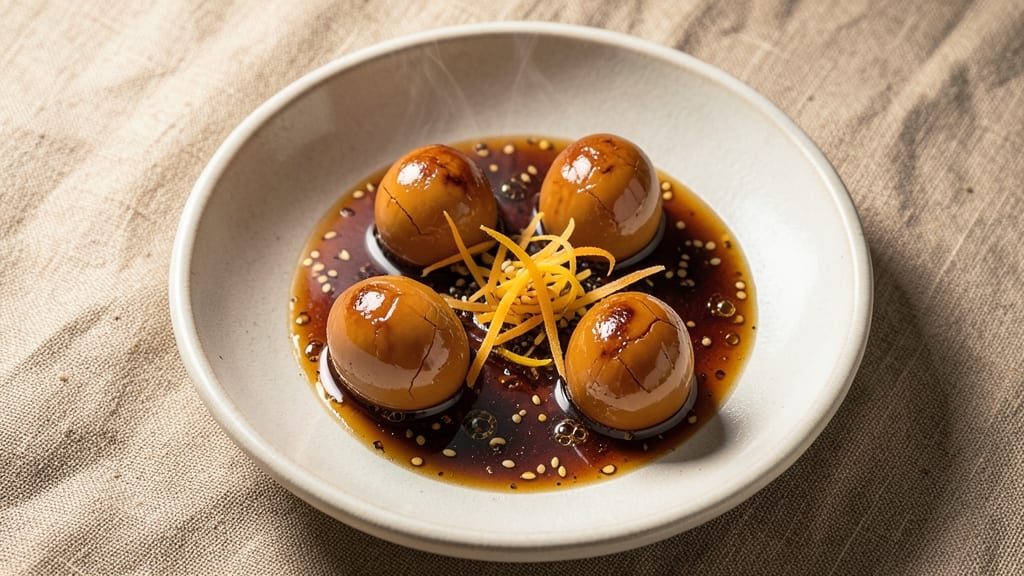
This ajitama egg marinade recipe transforms simple eggs into restaurant-worthy bites with just 10 minutes of prep. The secret lies in a balance of soy sauce, mirin, and sugar that creates deep umami flavor while keeping the eggs tender.
I developed this marinade after discovering how Japanese ajitsuke techniques elevate breakfast beyond basic scrambled eggs.
The marinade works by infusing eggs with layers of savory-sweet complexity—soy sauce adds saltiness, mirin brings fruity depth, and a touch of sugar caramelizes slightly for richness.
This version simplifies traditional methods by using pantry staples while delivering professional results. The best part? It doubles as a quick dipping sauce for toast or rice.
What you'll achieve is eggs with intensified flavor—no blandness here. The marinade penetrates each bite, creating a harmonious blend of salty, sweet, and umami notes that make breakfast feel like a special occasion. Perfect for wraps, rice bowls, or even as a garnish for noodles.
Store leftovers in the fridge for up to 5 days, making it an ideal meal prep solution. Ready in minutes and packed with flavor, this marinade proves you don't need complicated techniques to create impressive breakfasts. Let's get started!
Ingredients for ajitama egg marinade
This umami-rich marinade transforms ordinary eggs into restaurant-quality bites with just 10 minutes of prep.
| Ingredient | Amount | Notes |
|---|---|---|
| Kosher Soy Sauce 🍶 | ½ cup | High-quality, low-sodium preferred |
| Mirin 🍶 | ¼ cup | Sweet cooking wine, not regular mirin substitute |
| Granulated Sugar 🍚 | 2 tbsp | White or raw cane sugar |
| Rice Vinegar 🍶 | 1 tbsp | Seasoned preferred for depth |
| Sesame Oil 🫒 | 1 tsp | Toasted, not flavored |
| Fresh Ginger 🧅 | 1 tbsp | Finely grated, not powdered |
| Garlic Cloves 🧄 | 2 cloves | Minced, not powdered |
| Vegetable Oil 🫒 | 1 tbsp | For light frying |
| Diamond Crystal Kosher Salt 🧂 | ½ tsp | For seasoning after marinating |
| Black Peppercorns 🌶️ | ¼ tsp | Freshly cracked |
The soy sauce and mirin combo is non-negotiable here—Kikkoman soy sauce and Japanese mirin (not the sweetener substitute) give that authentic depth. I grab mine from Trader Joe's or Asian markets—the real stuff makes a difference. Fresh ginger and garlic? Always buy organic when possible, especially for ginger since you're grating it. The sesame oil needs to be toasted—La Choy makes a good affordable option, but Kadoya is worth the splurge for special occasions. Look for sesame oil that's labeled 'toasted' or 'aroma-enhanced'—it's richer and less bitter.
No mirin? Dry sherry plus 1 tsp sugar works in a pinch, but it won't be identical. Regular soy sauce has more sodium—reduce to 3 tbsp if using regular. Fresh ginger powder is a decent substitute (1 tsp) but lacks that bright zing. For garlic, granulated garlic at half the amount is fine if you're in a hurry. The rice vinegar can be swapped for apple cider vinegar, but seasoned rice vinegar adds that subtle umami kick. And if you're avoiding sugar, agave nectar works 1:1—just know it'll be slightly more liquid.
This marinade keeps beautifully—up to 2 weeks in the fridge if stored in an airtight container. I double the batch and keep it in two small jars: one for eggs, one for dipping sauce. The flavors actually improve after 24 hours as everything melds together. For meal prep, marinate your eggs for at least 2 hours (overnight is best) to get maximum flavor infusion. The sesame oil separates when refrigerated—just give it a quick shake before using. Freezes well for 3 months if you want to make a big batch ahead of time.
Why You'll Love This Recipe
- Pantry Magic: I swear by this marinade because it uses stuff I already have—no special shopping trips. The kosher soy and mirin alone transform plain eggs into something that tastes like a restaurant dish without the fuss.
- Umami Bomb: That combo of mirin and sesame oil? It’s the secret weapon. The sugar cuts the acid from the rice vinegar, leaving you with eggs that are dangerously addictive—salty, sweet, and nutty all at once.
- Game for Any Meal: Marinate eggs for breakfast, toss them into a quick lunch salad, or serve them at dinner with rice. Honestly, I’ve even used the leftover marinade as a dip for veggies when I’m lazy.
- Budget-Friendly Luxury: A single batch costs pennies but feels like a splurge. The leftovers keep for weeks in the fridge, so I’m always covered—no last-minute takeout runs when I’m wiped after work.
Step-by-step instructions for ajitama egg marinade recipe
This umami-packed marinade transforms ordinary eggs into restaurant-quality breakfast stars.
Combine the Wet Ingredients
In a medium bowl, whisk together the 0.5 cup kosher soy sauce and 0.25 cup mirin until fully blended. The mirin will help balance the soy's saltiness while adding subtle sweetness. Add the 2 tablespoons granulated sugar and 1 tablespoon rice vinegar, whisking until the sugar dissolves completely. This mixture forms the flavor foundation—don't rush this step, as even distribution ensures consistent flavor in every bite.
Next, stir in the 1 teaspoon sesame oil last. Unlike other oils, sesame oil carries a distinct nutty aroma that needs gentle incorporation. You'll notice the mixture darken slightly and develop a glossy sheen—this is your visual cue that all components are properly integrated. Let the blend sit for 5 minutes at room temperature to allow the flavors to begin melding together.
Add Aromatics and Build Depth
In a small bowl, finely grate the 1 tablespoon fresh ginger using a microplane or grater. The goal is to create a paste-like consistency—this ensures maximum surface area for flavor extraction. Add this to your marinade along with the 2 minced garlic cloves. Stir vigorously for 30 seconds until the ginger and garlic are completely dispersed. You'll smell the immediate release of aromatic oils—this is when the marinade truly comes alive.
Here's a pro tip: If you're using fresh black peppercorns, lightly crush them with the flat side of your knife before adding the 0.25 teaspoon to the mixture. This releases their essential oils and intensifies the pepper's heat. Give everything one final stir to ensure no pockets of undissolved ingredients remain. The marinade should now have a rich, complex aroma with layers of umami, sweetness, and subtle heat.
Adjust Seasoning and Prepare for Use
Taste the marinade and adjust the seasoning if needed. You might find it needs a touch more salt—add the 0.5 teaspoon kosher salt gradually while tasting. The perfect balance should have pronounced umami without being overpowering. If it tastes too sharp, add a tiny pinch more sugar to mellow the acidity. Remember, you can always adjust more later, but you can't take away what's already there.
For best results, use the marinade immediately on your eggs. If you need to store it, transfer to an airtight container and refrigerate for up to 3 days. The flavors will continue developing but may intensify slightly. When ready to use, simply whisk before applying to ensure even distribution. This marinade works wonders on scrambled eggs, omelets, or even poached eggs—just remember to reduce cooking time slightly as the marinade contains moisture.
Apply to Eggs (Quick Technique)
For scrambled eggs, whisk 4 eggs with 1 tablespoon of the marinade (reserve the rest for later). Cook over medium-low heat in 1 tablespoon vegetable oil, stirring gently until just set—2-3 minutes total. The marinade will create a glossy finish and infuse the eggs with deep umami flavor without overpowering their natural richness.
For omelets, brush the marinade lightly on the outside of the egg mixture before cooking. Fold in your favorite fillings and cook until just set—2-3 minutes on each side. The key is speed: overcooking will dry out the eggs and diminish the marinade's delicate flavors. Serve immediately with toasted bread or fresh greens to complement the complex taste profile.
Pro Tips For Making Ajitama Egg Marinade
- STIR BEFORE MEASURING MIRIN: Mirin separates like a diva—give that bottle a good shake before pouring, especially if it’s been sitting in your pantry for months. I learned this the hard way when my marinade turned cloudy mid-cook, and no amount of stirring fixed it.
- SWEAT THE SOY SAUCE: Don’t just dump the soy sauce in cold. Warm it in a small pan over low heat for 30 seconds—just until it’s steaming but not boiling. This deepens the umami flavor and cuts through the sweetness better than cold soy ever will.
- SKIP THE GRANULATED SUGAR CRYSTALS: If your sugar isn’t dissolving smoothly, you’re over-mixing or using too much. Instead of forcing it, dissolve the sugar in a splash of rice vinegar first, then stir it into the warm soy-mirin base. No more gritty surprises when you slice those eggs.
- ADD SESAME OIL LAST: Sesame oil burns faster than you’d think. Stir it in right before serving—just a teaspoon—so it keeps its nutty aroma instead of turning bitter. (Yes, even if you’re impatient like me.)
Dietary considerations for this recipe
Gluten-Free Adaptations
This marinade naturally works for gluten-free diets since it uses kosher soy sauce—just ensure it's certified gluten-free. Regular soy sauce contains wheat, so swap for a dedicated gluten-free brand like San-J Tamari or Kikkoman Gluten-Free Soy Sauce.
The rest of the ingredients are already gluten-free, so no other substitutions are needed. Always check labels, as some rice vinegars may contain wheat additives. 🌱
Low-Sodium Options
Regular soy sauce can be high in sodium, so reduce the amount to 3 tablespoons if using a standard brand. For a truly low-sodium version, replace the soy sauce with 1 tablespoon coconut aminos (it has a slightly different profile but works well) plus 2 tablespoons gluten-free tamari.
The mirin and sugar balance the flavor beautifully, so no additional salt is needed. This keeps the sodium content under 150mg per tablespoon of marinade. 💡
Sugar-Free Version
Skip the granulated sugar and replace it with 1 tablespoon pure maple syrup or agave nectar for a natural sweetener. If you're strictly avoiding all sugars, omit it entirely—the soy sauce and mirin provide enough depth.
The ginger and garlic will add natural sweetness, and the rice vinegar adds acidity to balance flavors. Taste as you go, as the marinade may need a pinch more salt to compensate for the missing sugar. 🍯
Vegan-Friendly Adjustments
This marinade is already vegan, but if you're using it for tofu or tempeh instead of eggs, add 1 teaspoon nutritional yeast for a cheesy, umami boost. The sesame oil and garlic enhance the savory notes perfectly.
For extra richness, stir in 1 teaspoon miso paste (white or red) into the marinade. Just be mindful that tofu absorbs marinades differently than eggs, so marinate for at least 30 minutes before cooking. 🌱
Allergen Considerations
If you're avoiding sesame, replace the 1 teaspoon sesame oil with 1 teaspoon neutral oil (like avocado or grapeseed) and add ½ teaspoon ground toasted sesame seeds for flavor. For nut allergies, ensure all ingredients are nut-free—some rice vinegars are processed in facilities with nuts.
Always check labels, and if you're highly sensitive, prepare the marinade in a clean, allergen-free environment. 🚨
Keto-Friendly Version
This marinade fits well into a keto diet as it's low in carbs and high in umami. To optimize it further, reduce the sugar to 1 teaspoon and use erythritol or monk fruit sweetener instead.
The mirin adds sweetness without significant carbs, and the soy sauce provides sodium for electrolyte balance. Pair it with keto-friendly eggs (no yolks if strict) or use it as a dipping sauce for low-carb veggies like cucumbers or bell peppers. 🥑
Nutrition facts
Frequently asked questions
How long should I marinate eggs in this mixture?
For scrambled eggs or omelets, marinate for 15-30 minutes before cooking. For deeper flavor infusion (like ajitsuke-style eggs), marinate overnight in the fridge. The marinade works best when applied fresh, but even 10 minutes will add noticeable umami depth. Just don't overdo it—eggs can absorb too much liquid and become watery.
Can I use this marinade on other proteins besides eggs?
It works beautifully on chicken thighs, tofu, or even shrimp. For proteins with firmer textures, marinate for at least 1 hour (or overnight for best results). The soy-mirin base adds incredible depth to grilled or pan-seared dishes. Just reduce cooking time slightly since the marinade contains moisture.
Why does my marinade look cloudy after refrigerating?
The sesame oil will naturally separate when chilled—that's normal! Just give it a quick whisk or shake before using. The cloudiness disappears when the oil re-emulsifies with the other ingredients. If you prefer a smoother texture, stir in ½ teaspoon xanthan gum when making the marinade to help stabilize it.
What's the best way to store leftovers?
Transfer unused marinade to an airtight container and refrigerate for up to 2 weeks. The flavors actually improve with time! For eggs, store marinated eggs separately in the fridge for 3 days max (they'll absorb more flavor but may become slightly watery). Freeze marinade in ice cube trays for easy portioning—just thaw overnight in the fridge.
Can I make this without mirin?
Yes! Replace the mirin with ¼ cup dry sherry plus 1 teaspoon sugar for similar sweetness. For a non-alcoholic version, use ¼ cup apple juice plus 1 teaspoon sugar. The flavor won't be identical, but it'll still deliver that umami-rich profile. The key is balancing the sweetness with the soy sauce's saltiness.