
Desserts
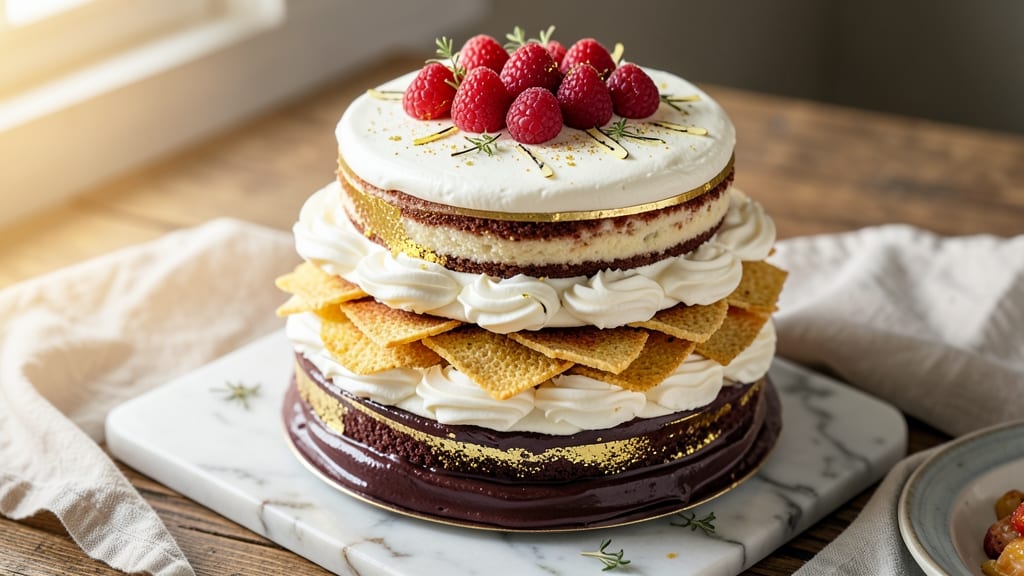
This 8-egg cake recipe delivers the lightest, most tender layers you’ll ever taste—vanilla bean swirls woven through rich, moist crumb for a showstopping dessert that’s surprisingly simple to make. 💛 I perfected this technique after years of baking dense, dry cakes, and the secret lies in those extra eggs: they create a silky texture while keeping the structure airy, not gummy.
The vanilla bean swirls aren’t just decoration—they infuse every bite with aromatic depth that makes this cake unforgettable.
What sets this recipe apart is the foolproof method that balances science and intuition: creaming butter and sugar until pale (not just fluffy), folding in eggs one at a time, and baking at a precise 325°F for even rise.
The vanilla bean paste swirls cut through the richness, adding natural sweetness without syrup. Most importantly, this cake bakes in a single layer—no fussing with multiple pans or tricky assembly. The result?
A cake so tender it nearly melts in your mouth, with a golden crust that’s crisp enough to hold frosting beautifully.
This recipe delivers restaurant-quality layers with minimal effort, perfect for special occasions or when you want to impress without stress. The vanilla bean swirls create elegant visual contrast while keeping the cake moist for days—ideal for making ahead.
Whether you’re serving it with whipped cream, a dusting of powdered sugar, or a simple glaze, the flavor shines through. The eggs do all the heavy lifting here, transforming basic ingredients into something extraordinary.
For variations, swap the vanilla bean for chocolate ganache or berry compote—the same technique works for any flavor profile. The key is never overmixing the batter, which keeps those layers light and airy. Let’s get baking!
Ingredients for 8 egg cake
Eggs, butter, and vanilla create the perfect light, airy cake with elegant swirls.
| Ingredient | Amount | Notes |
|---|---|---|
| Large Eggs 🥚 | 8 whole | Room temperature for best blending |
| Unsalted Butter 🧈 | 1 ½ cups | Softened to room temperature |
| Granulated Sugar 🍚 | 2 cups | Superfine for smoother texture |
| All-Purpose Flour 🌾 | 2 cups | Sifted for lightest crumb |
| Vanilla Bean Paste 🌿 | 2 tbsp | High-quality for rich flavor |
| Pure Vanilla Extract 🍯 | 1 tsp | Enhances vanilla bean aroma |
| Baking Powder 🧂 | 2 tsp | Fresh for proper leavening |
| Salt 🧂 | ½ tsp | Fine sea salt preferred |
| Whole Milk 🥛 | 1 cup | Room temperature for blending |
| Vanilla Bean Seeds 🌿 | 1 whole | Scraped from 1 vanilla bean |
| Powdered Sugar 🍚 | 1 cup | For dusting finished cake |
The eggs are the foundation here—room temperature is critical for even blending. Kirkland Signature eggs work perfectly, but any large eggs will do. For the butter, Plugrá or Land O'Lakes unsalted are my go-tos—they cream beautifully. The vanilla bean paste should be high-quality (like Madagascar Bourbon from specialty stores) for that authentic depth. Sift the flour and baking powder together to avoid lumps, which can create dense pockets in the cake. If you can't find superfine sugar, pulse regular granulated sugar in a food processor for 30 seconds.
No vanilla bean paste? Pure vanilla extract plus scraped seeds works in a pinch, though the flavor won't be as complex. Substitute milk with whole coconut milk for a dairy-free option, but the texture will be slightly denser. For a chocolate variation, replace 1/2 cup flour with Dutch-process cocoa powder and add 1/2 cup melted chocolate to the batter. The powdered sugar is just for dusting—use confectioners' sugar from a trusted brand like Domino for smooth, clump-free results. If your kitchen is humid, let the batter rest for 10 minutes before baking to help the gluten relax.
This cake keeps beautifully—3 days at room temperature covered loosely with plastic, or 1 week refrigerated in an airtight container. For longer storage, freeze the baked cake (without frosting) for up to 3 months. Thaw overnight in the fridge before serving. The vanilla bean swirls make it perfect for special occasions, but the simplicity means you can bake it anytime. Store any leftover batter in the fridge for 24 hours—it bakes up just as well the next day.
Why You'll Love This Recipe
- No Mixer Needed: I swear by this recipe when I’m too tired to cream butter and sugar by hand—just melt the butter, whisk the eggs, and fold in flour. That vanilla bean paste? A single scrape of the pod makes it taste like a bakery secret.
- Rich Without Fuss: Eight eggs mean a dense, custardy texture that’s ridiculously satisfying, not dry or crumbly. The butter and sugar caramelize just enough to give it a subtle, buttery depth—like a cross between pound cake and a light sponge.
- Breakfast or Dessert: Honestly, I make this for both. Slice it warm with a drizzle of honey for breakfast, or dust it with powdered sugar for a quick dessert. The neutral flavor also means it plays nice with fruit compotes or whipped cream.
- Leftovers That Last: This cake keeps beautifully for days, so I bake a whole pan on Sundays and grab slices all week. No sad, stale crumbs here—it stays moist, and the eggs make it sturdy enough to slice thin without falling apart. (Yes, even on a Tuesday night.)
Step-by-step instructions for fluffy vanilla bean cake
Master the technique for light, airy layers with perfect vanilla swirls.
👨🍳 Step 1: Whisk Eggs and Sugar to Ribbon Stage
In a stand mixer fitted with the whisk attachment, combine the 8 whole Large Eggs and 2 cups Granulated Sugar. Beat on high speed for 5-7 minutes until the mixture becomes pale, thick, and forms ribbons when the whisk is lifted. You'll see the batter cling to the whisk in slow-moving streams—this is your signal for perfection.
Real talk: Don't rush this step. The ribbon stage ensures your cake will be light and fluffy rather than dense. I press my finger through the batter at the end—if it leaves a clean trail that holds its shape, you're ready to move forward.
🍳 Step 2: Add Butter and Vanilla in Stages
Reduce the mixer speed to medium-low and add the 1.5 cups Unsalted Butter in 3 additions, mixing just until each addition is incorporated. This gradual approach prevents butter separation and creates a smoother batter. After the final addition, scrape down the sides of the bowl to ensure everything is fully combined.
Next, add the 2 tbsp Vanilla Bean Paste and 1 tsp Pure Vanilla Extract. Mix on low speed for 30 seconds just to blend—overmixing here can deflate the air you've worked so hard to incorporate. The batter should now be thick, glossy, and hold its shape when the whisk is lifted.
👨🍳 Step 3: Fold in Dry Ingredients Gently
In a separate bowl, sift together the 2 cups All-Purpose Flour, 2 tsp Baking Powder, and 0.5 tsp Salt. With the mixer on low speed, gradually add the dry ingredients to the wet mixture, mixing just until combined. You should still see some flour streaks—this prevents overdevelopment of gluten which would make your cake tough.
Add the 1 cup Whole Milk and mix on low speed for another 30 seconds until just combined. Here's the thing—don't overmix. The moment the batter comes together smoothly is when you stop. The batter should be thick but pourable, with a smooth, velvety consistency.
🥘 Step 4: Prepare and Fill Cake Pans
Preheat your oven to 350°F. Generously grease two 9-inch round cake pans with butter and line the bottoms with parchment paper. Divide the batter evenly between the pans, filling each about ⅔ full. For the vanilla swirls, spoon 1 tbsp Vanilla Bean Paste into the center of each pan and gently swirl it with a knife through the batter.
Bake for 25-30 minutes or until a toothpick inserted in the center comes out clean. The edges should be golden brown but the tops should still look slightly puffed. If the tops brown too quickly, tent the pans with foil after 15 minutes to prevent overbrowning while the centers finish baking.
⏰ Step 5: Cool and Dust with Powdered Sugar
Remove the cakes from the oven and let them cool in the pans for 10 minutes. Then transfer to a wire rack to cool completely. While they cool, make your vanilla glaze by whisking together 1 cup Powdered Sugar with 2-3 tablespoons Whole Milk until smooth.
Once the cakes are completely cool, drizzle the glaze over the top and sides, allowing it to drip down the sides for that professional bakery look. For extra flair, sprinkle with the scraped Vanilla Bean Seeds before the glaze sets. The contrast of the vanilla seeds against the pale cake creates a stunning visual effect that makes this cake look truly special.
Pro Tips For Making 8 Egg Cake
- Whisk Eggs Like Mad: Use a stand mixer on medium-high for 3-4 minutes until the yolks turn pale and the mixture noticeably thickens—this isn’t just about air, it’s about structure. I learned this the hard way when my cake collapsed like a deflated balloon after pulling it out of the oven.
- Butter Must Be Room Temp: Unsalted butter straight from the fridge won’t cream properly, and that means your cake will end up dense and greasy. Let it sit out for 1-2 hours (or microwave it in 10-second bursts) until it’s soft but not melted—press your finger in and it should leave a slight indent.
- Don’t Overmix the Flour: Once you fold in the flour, stop as soon as it’s just combined—overmixing develops gluten, and that turns your tender cake into a chewy brick. Think "dust it in" rather than "blend it smooth," and resist the urge to stir like you’re making pancake batter.
- Bake Until Internal Temp Hits 205°F: Your cake might look done at 190°F, but pull it out at 205°F (use an instant-read thermometer) to guarantee a fully set crumb. I skipped this once and ended up with a cake that wobbled like Jell-O in the center—no one wants that.
Regional styles of this dish
New England Vanilla Bean
This is my Nonna’s version—she’d call it "the Boston way" because it’s all about that vanilla bean swirl that makes every slice feel special. The key is using Madagascar Bourbon vanilla from the Italian market near my old apartment.
I like to add an extra ½ tsp vanilla extract to the batter for that deep, warm aroma that reminds me of Sunday dinners. The cake bakes in a 9-inch round pan (just like my mom’s old Pyrex), and I always dust it with powdered sugar right after baking. 💛
Southern Citrus Twist
Down in the South, they’d never skip the citrus. Swap the vanilla bean paste for 2 tbsp lemon curd (homemade or store-bought) and add 1 tbsp lemon zest to the batter. The acidity cuts through the richness, giving it that bright, tangy kick.
I’ve seen bakers in Atlanta use 2 tbsp orange liqueur instead of milk for extra depth. The swirls become golden and glossy, almost like a marmalade ribbon. Serve with whipped cream and fresh berries for a real Southern treat.
Midwest Spiced Chai
In the Midwest, they love their spices. Add 1 tsp ground cardamom, ½ tsp cinnamon, and ¼ tsp ginger to the dry ingredients for a subtle chai flavor.
Replace the vanilla bean paste with 1 tbsp chai spice paste (you can make it by simmering milk with the spices and reducing it). The swirls turn a warm brown, and the cake has this cozy, aromatic scent that’s perfect for fall.
Pair it with a cup of chai tea for the full experience.
West Coast Chocolate-Dipped
Out in California, they’re all about the chocolate. Replace ½ cup of the flour with ½ cup Dutch-process cocoa powder and fold in ½ cup melted dark chocolate (70% cocoa) after mixing the wet ingredients. For the swirls, use ¼ cup chocolate ganache instead of vanilla paste.
The result? A rich, fudgy cake with pockets of molten chocolate. Top it with a dusting of cocoa powder and crushed hazelnuts for that West Coast flair.
Boston Cream Cake
This one’s a classic—my Nonna’s favorite. Bake the cake as directed, then fill the layers with vanilla pastry cream (made with 1 cup heavy cream, 2 egg yolks, ½ cup sugar, and 2 tbsp cornstarch). Drizzle with chocolate ganache before serving.
The contrast of the creamy filling and the fluffy cake is pure magic. I like to add a sprinkle of powdered sugar on top for that old-school bakery look. It’s the cake I’d bring to any family gathering—guaranteed to impress. 🌟
Nutrition facts
Frequently asked questions
Why does this recipe use 8 eggs instead of the usual 3-4?
Those extra eggs create a silky, cloud-like texture that's impossible with fewer. The high egg-to-flour ratio breaks down the gluten in the flour, resulting in a tender crumb rather than a dense one. Think of it like making angel food cake—just with a richer, buttery base. The eggs also help stabilize the vanilla swirls so they don't sink to the bottom.
Can I make this cake in a single 9-inch pan instead of two?
Yes, but you'll need to reduce the baking time to 20-25 minutes and watch closely for doneness. The cake will be thinner and more delicate, so it's perfect for individual servings or layering with frosting later. For best results, line the pan with parchment and grease it well to prevent sticking. The vanilla swirls will still show through beautifully.
What if my batter is too thick or too thin?
If your batter is too thick (like pudding), add 1-2 tbsp milk at a time until it reaches a smooth, pourable consistency. Too thin? Fold in 1-2 tbsp additional flour until it thickens. The ideal batter should coat the back of a spoon but still flow gently. Remember, the eggs are doing most of the work here—don't overcorrect with too many adjustments.
How do I store leftovers without drying out the cake?
Wrap the cake tightly in plastic wrap, then place it in an airtight container with a slice of bread or a damp paper towel to absorb moisture. This keeps it fresh for 3 days at room temperature or 1 week refrigerated. For longer storage, freeze the cake (unfrosted) for up to 3 months. Thaw overnight in the fridge—never at room temperature.
Can I substitute vanilla bean paste with something else?
For the swirls, use 2 tbsp high-quality vanilla extract plus 1 tsp scraped vanilla bean seeds for similar flavor. For the batter, you can use 2 tbsp vanilla extract alone, though the flavor won't be as complex. For chocolate variations, replace the vanilla paste with 2 tbsp melted chocolate or cocoa powder—the technique remains the same. The key is balancing the richness of the eggs with complementary flavors.