
Desserts
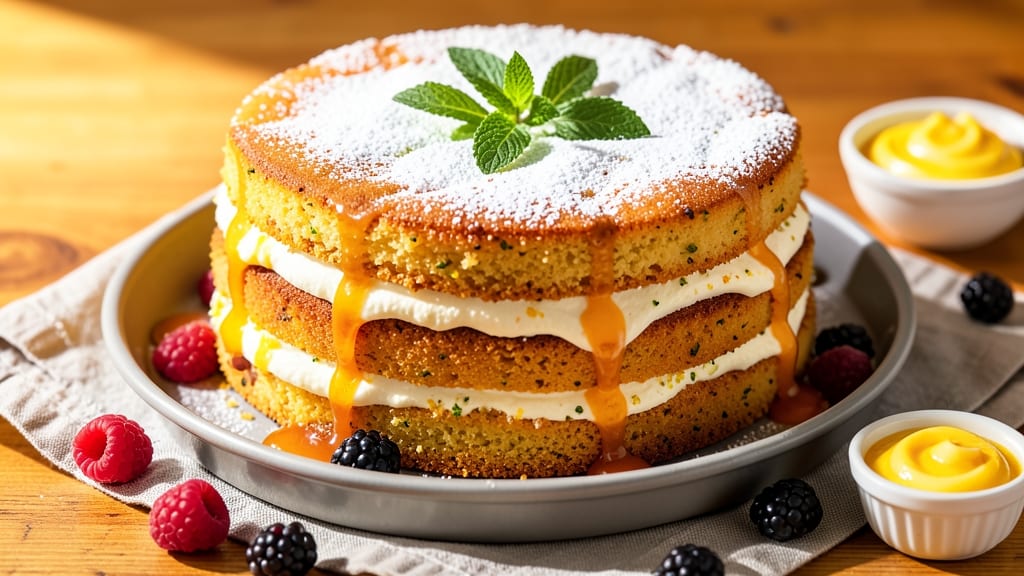
This 5-egg cake recipe delivers the perfect balance of light, airy layers with a bright citrus zest twist that elevates every bite.
The secret lies in the precise ratio of eggs to flour, creating a tender crumb that practically melts in your mouth while the citrus zest adds a refreshing aroma and subtle tang.
This technique transforms a simple cake into something truly special—moist enough to stay fresh for days yet delicate enough to feel like a bakery masterpiece.
The beauty of this recipe is its simplicity: just five eggs provide the structure and richness, while a touch of citrus zest and a pinch of salt enhance the natural sweetness without overpowering it.
Baking at 350°F for 30-35 minutes ensures even golden layers, and the cake stays moist for up to five days when stored properly. Whether you're a beginner or an experienced baker, this foolproof method guarantees consistent results every time.
What sets this cake apart is its versatility—serve it plain for a light dessert, layer it with whipped cream and fresh berries, or drizzle with a citrus glaze for extra flair.
The citrus zest not only brightens the flavor but also adds a beautiful visual contrast to the pale, tender layers. Perfect for birthdays, brunch, or an elegant afternoon treat, this cake combines simplicity with sophistication.
Ready to bake? The recipe includes optional fillings like lemon curd or orange marmalade for added indulgence, and the instructions walk you through every step—from mixing to baking—to ensure your cake turns out perfectly. Let’s create something extraordinary with just five eggs and a little citrus magic.
Ingredients for 5 egg cake
Five eggs and a citrus twist create this bakery-style cake with effortless lightness.
| Ingredient | Amount | Notes |
|---|---|---|
| Large Eggs 🥚 | 5 whole | Room temperature for best mixing |
| All-Purpose Flour 🌾 | 2 cups | Sifted for light texture |
| Granulated Sugar 🍚 | 1 ½ cups | Superfine preferred for smoothness |
| Unsalted Butter 🧈 | 1 cup | Cold, cubed for creaming |
| Lemon Zest 🍋 | 1 tbsp | Freshly grated from organic lemons |
| Orange Zest 🍊 | 1 tbsp | Freshly grated from organic oranges |
| Whole Milk 🥛 | ¾ cup | Room temperature for smooth batter |
| Vanilla Extract 🌿 | 1 tsp | Pure Madagascar bourbon preferred |
| Baking Powder 🍞 | 1 tsp | Freshly opened for best rise |
| Salt 🧂 | ½ tsp | Fine sea salt preferred |
| Lemon Juice 🍋 | 1 tbsp | Freshly squeezed from same lemons |
| Vegetable Oil 🫒 | ¼ cup | For greasing pans |
The eggs are the foundation here—room temperature is non-negotiable for proper emulsification. Kirkland brand or Organic Valley eggs work best for consistent results, but any large eggs will do. For the citrus zest, organic lemons and oranges have the most vibrant flavor—avoid pre-grated zest from jars, as it loses potency quickly. The butter should be cold and cubed when you start creaming; don't let it sit out too long or it'll melt into the sugar. Flour matters too—King Arthur or Gold Medal brands are sifted for you, saving time without sacrificing texture.
No vanilla extract? Vanilla bean paste works beautifully, or vanilla sugar at double the amount. Running short on lemon juice? Orange juice at half the quantity bridges the gap, though the flavor will shift slightly. For the sugar, superfine is ideal, but if you only have granulated, pulse it in a food processor for 30 seconds to break up the crystals. The baking powder must be fresh—if it's over a year old, test it first by mixing with water; it should bubble vigorously. Salt is crucial here—Diamond Crystal kosher salt
Store the cake in an airtight container at room temperature for up to 5 days, or freeze for 3 months wrapped tightly in plastic. The citrus zest can be prepped a day ahead and stored in the fridge. For extra indulgence, lemon curd or orange marmalade makes perfect fillings—just ensure they're fully chilled before assembling. The cake reheats beautifully in the microwave for 10-15 seconds to restore its tender crumb.
Why You'll Love This Recipe
- No Mixer Needed: I swear by this recipe when my hands are full—just whisk the eggs with sugar until light, fold in the flour, and let the butter do the work. The lemon zest brightens everything up without extra effort.
- Buttery-Lemon Magic: That first bite? Rich, tender crumb with a whisper of citrus—like a hug from a bakery. The butter keeps it moist, while the zest cuts through the sweetness in the best way.
- Breakfast or Dessert: Serve it warm with a drizzle of honey for a lazy morning treat, or dust with powdered sugar for a quick dessert. Honestly, I’ve had it both ways and never regretted it.
- Stays Fresh All Week: Bake a batch on Sunday, and you’ve got a snack for the kids, a quick breakfast, or even a midnight craving covered. It reheats beautifully—just pop slices in the toaster or microwave.
Step-by-step instructions for light-as-air citrus cake
Here's the method to achieve perfectly tender layers with bright citrus flavor every time.
Prepare Pans and Preheat Oven
Grease two 8-inch round cake pans thoroughly with the 0.25 cup vegetable oil, then dust each with flour, tapping out any excess. I use a pastry brush for even coating—this ensures the cakes release cleanly without sticking. Line the bottoms with parchment circles for extra insurance.
Preheat your oven to 350°F. The pans should be hot when the batter goes in, which helps create that signature domed top. Place the pans on a baking sheet to catch any potential drips during the 30-35 minutes baking time.
Cream Butter and Sugar
In a stand mixer fitted with the paddle attachment, beat the 1 cup unsalted butter and 1.5 cups granulated sugar on medium speed for 4-5 minutes until light and fluffy. You'll see the mixture nearly double in volume and become pale in color. This step incorporates air, which is crucial for that light-as-air texture.
I press down on the butter mixture with a rubber spatula occasionally to ensure everything gets evenly creamed. If the butter isn't cold enough to start, the mixture will separate—just stop mixing and let it come to room temperature for another 5 minutes.
Add Eggs and Zest
Add the 5 whole large eggs one at a time, mixing on low speed for 30 seconds after each addition until fully incorporated. The mixture will look slightly curdled at first, but don't worry—it will come together.
Next, add the 1 tbsp lemon zest, 1 tbsp orange zest, 1 tsp vanilla extract, and 1 tbsp lemon juice, mixing on low speed for another 30 seconds until just combined. The citrus zest should be finely grated—no visible chunks. This is where the bright, refreshing flavor comes from, so don't skip this step.
Combine Dry Ingredients
In a separate bowl, whisk together the 2 cups all-purpose flour, 1 tsp baking powder, and 0.5 tsp salt. Sift the flour mixture directly into the wet ingredients, then gently fold in using a spatula. You want to mix just until combined—overmixing develops gluten and makes the cake dense.
Add the 0.75 cup whole milk and mix on low speed for another 30 seconds until smooth. The batter should be thick but pourable. If it's too thick, add 1 tablespoon milk at a time until it reaches a smooth consistency. This ensures even distribution of ingredients throughout the layers.
Bake to Perfect Doneness
Divide the batter evenly between the prepared pans, filling each about ⅔ full. Bake in the preheated oven for 30-35 minutes, or until a toothpick inserted into the center comes out clean. The edges should be golden brown, and the top should spring back when gently pressed.
I like to rotate the pans halfway through baking for even browning. Let the cakes cool in the pans for 10 minutes, then transfer to a wire rack to cool completely. This gradual cooling prevents cracking and ensures clean layers for stacking later.
Pro Tips For Making 5 Egg Cake
- Whip Eggs First: The butter and sugar should be creamed together until pale and fluffy, but don’t skip the egg whipping step—beat those 5 eggs on their own for 2-3 minutes first. This lightens the batter more than you’d expect, and it’s the real reason this cake has that signature tender crumb.
- Use Room-Temp Butter: Cold butter creates pockets in the batter that won’t bake evenly, leading to a dense or uneven texture. Let your butter sit out for 30-45 minutes before creaming—just enough to soften but not melt. (Yes, even if you’re impatient like me.)
- Don’t Overmix the Batter: After folding in the flour, stop mixing the moment it’s just combined. Overworking the batter introduces too much gluten, which turns your cake into a tough, dry brick. Two gentle swirls with a spatula is all you need.
- Bake Until Springy: This cake’s done when the top springs back when pressed and the edges pull away from the pan. If you’re unsure, check at 30 minutes—underbaking makes it gummy, but overbaking dries it out. A toothpick test works, but don’t rely on it alone.
Regional styles of this recipe
Southern Lemon Layer
In the American South, this cake becomes a Southern Lemon Layer Cake by doubling the lemon zest to 2 tbsp and replacing orange zest with 1 tbsp honey for subtle sweetness.
Bake in 9-inch pans instead of 8-inch for taller layers, then fill with homemade lemon curd (use 4 egg yolks, 1 cup sugar, 1 cup butter, and ½ cup lemon juice).
The result is a tangy, moist cake with a creamy citrus center that’s perfect for summer picnics or church potlucks. 🍋
British Victoria Sponge
Across the pond, this recipe transforms into a British Victoria Sponge Cake by adding 1 tsp cardamom to the dry ingredients and using buttermilk instead of milk. Bake in a 9x13-inch pan for a single layer, then split and fill with clotted cream and strawberry jam.
The cardamom adds a floral note that pairs beautifully with the citrus. Serve with a dusting of icing sugar for an elegant afternoon tea treat. 🇬🇧
Japanese Matcha Twist
For a Japanese-inspired variation, replace the citrus zest with 1 tbsp matcha powder (sifted) and add ½ tsp vanilla bean paste. Use white chocolate chips (about ½ cup) for texture, and bake at 325°F for 40 minutes to deepen the matcha flavor.
Dust the finished cake with powdered sugar and serve with green tea for a delicate, earthy-sweet dessert that’s perfect for celebrations. 🍵
German Citrus Plunder
In Germany, this cake becomes a Citrus Plunder Cake, where the batter is poured into a greased bundt pan and baked at 350°F for 45 minutes.
After baking, the cake is soaked with a warm citrus syrup (simmer ½ cup sugar, ½ cup water, and zest of 1 lemon) while still warm. This creates a moist, syrupy cake that’s often served with whipped cream or vanilla ice cream.
The bundt shape adds a festive touch for holidays. 🎄
French Citron Cake
French bakers elevate this recipe into a Citron Cake by adding 1 tbsp aquafaba (chickpea brine) to stabilize the batter and 1 tsp orange blossom water for floral depth.
Bake in 8-inch pans as directed, then glaze with a citron syrup (simmer ½ cup sugar, ½ cup water, and zest of 2 lemons) and decorate with candied citrus peel.
The aquafaba makes the cake extra light, while the orange blossom water adds a sophisticated aroma. 🇫🇷
Italian Limoncello Cake
In Italy, this cake becomes a Limoncello Cake by infusing ½ cup vodka with zest of 4 lemons for 24 hours before using it to replace the milk. Add 1 tbsp limoncello to the batter for extra brightness, and bake in 8-inch pans.
After cooling, soak the cake layers with limoncello syrup (reduce ½ cup limoncello with ½ cup sugar) before assembling. Top with whipped mascarpone and berries for a refreshing, boozy dessert. 🍋✨
Nutrition facts
Frequently asked questions
Why does this recipe use five eggs instead of fewer?
The five eggs create a perfect balance of structure and moisture in this cake. Each egg contributes protein for stability while keeping the crumb tender. Fewer eggs would make the cake denser, while more could make it dry. The ratio also helps achieve that signature light-as-air texture when baked properly.
Can I substitute butter with oil for this cake?
While you can use oil, the texture will differ slightly. Oil creates a denser cake with a moister crumb, while butter gives that classic tender crumb and flavor. If substituting, use 1 cup vegetable oil and reduce the milk by 2 tablespoons to maintain proper consistency.
How do I prevent my cake from cracking?
Cracking often happens from uneven cooling or overmixing. Let the cakes cool in the pans for 10 minutes before transferring to a wire rack, and avoid opening the oven door too early. Also, mix just until combined—overmixing develops gluten, which can cause cracks.
What's the best way to store this citrus cake?
For short-term storage, keep it in an airtight container at room temperature for up to 5 days. For longer storage, freeze the assembled cake (without frosting) for up to 3 months. Thaw overnight in the fridge before serving.
Can I make this cake in a single layer instead of two?
Yes! Use a 9x13-inch pan and reduce the baking time to 25-30 minutes. For a Victoria sponge style, bake two layers in the same pan, then split and fill with whipped cream or jam. The citrus flavor works beautifully in either format.