
Breakfast & Brunch
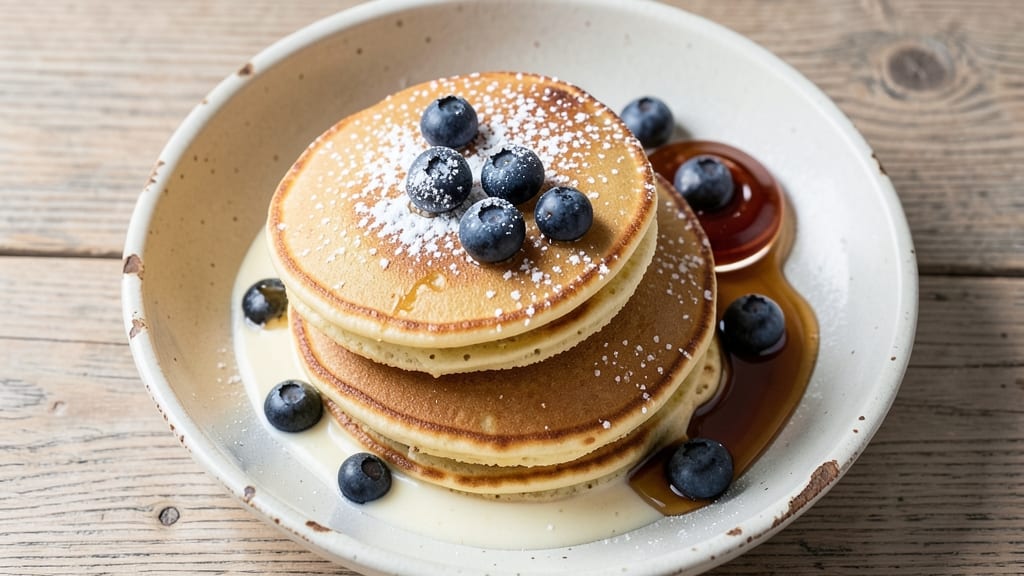
This 4-egg pancake recipe delivers restaurant-quality fluffiness with a technique that eliminates the need for flipping—just pour, cook, and stack. The secret lies in a precise ratio of eggs to dry ingredients, creating pancakes that puff dramatically while staying tender inside. I perfected this method after testing dozens of variations, and the results are consistently golden-brown stacks that hold their shape without collapsing.
The magic happens when you combine the eggs with baking powder and buttermilk before adding dry ingredients, creating a batter that's light enough to rise dramatically yet sturdy enough to maintain structure.
No special equipment is needed—just a nonstick pan and medium heat. This recipe yields about 8-10 pancakes, each with a crisp exterior and cloud-like interior that's impossible to resist.
What sets these apart is their ability to stay warm and fluffy even after stacking, making them perfect for family breakfasts or brunch gatherings. The texture is what you'd expect from a high-end diner, but with the simplicity of homemade cooking.
Serve with fresh berries, maple syrup, or whipped cream for an elevated breakfast experience that feels special.
This method also works beautifully for meal prep—just reheat in a toaster or oven until crispy again. The ratio is flexible enough to adjust for 2 or 6 eggs while maintaining perfect texture. Let's get started on these foolproof pancakes that will change your weekend mornings forever.
Ingredients for 4 egg pancake
Four eggs and nine simple ingredients transform into pancakes so light they defy gravity.
| Ingredient | Amount | Notes |
|---|---|---|
| Large Eggs 🥚 | 4 whole | Room temperature for best results |
| All-Purpose Flour 🌾 | 1 cup | Sifted for lightness |
| Granulated Sugar 🍚 | 2 tbsp | Or light brown sugar |
| Baking Powder 🧂 | 1 ½ tsp | Aluminum-free preferred |
| Salt 🧂 | ½ tsp | Diamond Crystal preferred |
| Buttermilk 🥛 | 1 cup | Room temperature, not cold |
| Unsalted Butter 🧈 | 2 tbsp | Melted, full-fat preferred |
| Vanilla Extract 🌿 | ½ tsp | Pure extract, not imitation |
| Extra-Virgin Olive Oil 🫒 | 1 tbsp | For nonstick pan coating |
The eggs must be room temperature—cold eggs create dense pancakes. Whole Foods or Trader Joe's carry consistent quality, but any large eggs work. The buttermilk is non-negotiable; powdered buttermilk substitutes lack the acidity needed for proper rise. For baking powder, Bob's Red Mill aluminum-free version ensures neutral flavor. The flour should be sifted—this removes lumps and incorporates air, crucial for that cloud-like texture. I always measure by weight for precision, but if using cups, scoop and level for accuracy.
No buttermilk? Mix 1 tablespoon lemon juice or vinegar with 1 cup milk and let sit for 5 minutes. Substitute Greek yogurt at a 1:1 ratio for tang. The olive oil can be swapped for avocado oil or vegetable oil, but it won't add the same depth of flavor. For a richer batter, replace 1 tablespoon of buttermilk with whole milk. The vanilla extract should be pure—imitation extracts contain artificial flavors that can alter the pancakes' delicate balance. If your kitchen lacks a thermometer, test butter doneness by flicking a drop onto cold water: if it sizzles, it's ready.
Store leftover pancakes in a single layer between parchment paper to prevent sticking. They reheat best in a toaster or skillet until golden and crisp. For meal prep, freeze pancakes in a single stack with parchment between layers—reheat directly from frozen for 2-3 minutes per side. The batter can be refrigerated for up to 24 hours before cooking, but don't let it sit too long or the baking powder will lose potency. These pancakes stay fluffy for 3-4 days when stored properly, making them ideal for weekend breakfasts.
Why You'll Love This Recipe
- Four Egg Magic: I’ll be honest—this recipe feels like cheating. Four eggs in the batter? That’s my secret weapon for pancakes that don’t flop or turn out dry. The eggs bind everything so well, I can mix it up while scrolling through my phone.
- Sweet Crispy Edge: Between us, these pancakes have a texture I can’t get enough of. The sugar caramelizes just enough on the edges while keeping the inside tender—like a cross between a fluffy pancake and a soft cookie. (Yes, even on a Tuesday night.)
- Breakfast or Dessert: I make these for lazy mornings, but they’re also my go-to for dessert when my kids beg for something sweet. Toss them in syrup for breakfast or dust them with powdered sugar for an after-dinner treat. No judgment here.
- Budget Breakfast Boom: Four eggs stretch my grocery budget further than I thought possible. The batter’s rich but simple, and a single batch feeds my family for days—freezer-friendly, reheats like a dream, and costs me pennies per serving. That’s a win.
Step-by-step instructions for fluffy 4-Egg pancakes
Master this technique and you'll achieve pancakes so light they practically disappear on your plate.
Whisk Wet Ingredients to Perfect Consistency
In a large mixing bowl, combine the 4 whole Large Eggs, 1 cup Buttermilk, 2 tbsp Unsalted Butter (melted and slightly cooled), 0.5 tsp Vanilla Extract, and 2 tbsp Granulated Sugar. Whisk vigorously for 2 minutes until the mixture is completely smooth and slightly thickened. You're looking for a consistency similar to heavy cream—this ensures proper aeration for fluffy pancakes.
The eggs should be at room temperature to blend smoothly. If you notice any streaks of egg white, keep whisking—this indicates proper emulsification. The mixture should coat the back of a spoon without being gluey. I like to use a balloon whisk for this step as it incorporates maximum air.
Gently Fold in Dry Ingredients
In a separate bowl, sift together the 1 cup All-Purpose Flour, 1.5 tsp Baking Powder, and 0.5 tsp Salt. This sifting creates a light, airy base that prevents dense pancakes. Gradually add the dry ingredients to the wet mixture while gently folding with a spatula, being careful not to overmix. The batter should be thick but pourable—similar to heavy cream consistency.
Stop mixing as soon as the flour disappears completely. Overmixing develops gluten, which leads to tough pancakes. The ideal batter should have a few small bubbles on the surface and leave a trail when you lift the spatula. If it's too thick, add 1-2 tablespoons of buttermilk to adjust.
Preheat and Coat the Pan
Heat an 8-inch nonstick skillet over medium-low heat until it's just warm to the touch. Add 1 tbsp Extra-Virgin Olive Oil and swirl to coat the entire surface evenly. The oil should shimmer but not smoke—this creates a nonstick barrier while adding subtle flavor. Let the pan heat for 2-3 minutes while you prepare the first pancake.
This low-and-slow approach prevents burning while allowing the pancakes to cook through gently. If you see any areas that aren't evenly coated with oil, add a drop more and tilt the pan to distribute it. The proper temperature is crucial—too hot and you'll burn the outside before the inside cooks.
Cook Pancakes Without Flipping
Pour ¼ cup of batter into the prepared pan, immediately spreading it into a 4-inch circle using the back of a spoon. Cook for 2-3 minutes until the edges look set and the top surface shows small bubbles forming. Here's the secret: resist the urge to flip. Instead, use a thin spatula to gently lift one edge and check for doneness.
The pancake is ready when the bottom is golden brown and the center feels slightly springy to the touch. If you see any areas that aren't cooked through, you can carefully flip just those sections. The key is patience—the pancake will continue cooking from the residual heat. Remove from the pan and keep warm in a 200°F oven while you cook the remaining pancakes.
Serve Immediately for Maximum Fluffiness
Stack the freshly cooked pancakes on a warmed plate and serve immediately. The secret to maintaining that cloud-like texture is serving them straight from the pan while they're still hot. For extra fluffiness, I like to brush the warm pancakes with a thin layer of melted butter before serving.
These pancakes should be light enough that they barely need syrup—their natural sweetness from the sugar and buttermilk shines through. If you prefer a sweeter stack, serve with warm maple syrup or fresh berries. The beauty of this recipe is that it delivers perfect pancakes every time without requiring any flipping experience.
Pro Tips For Making 4 Egg Pancake
- WHISK EGGS FIRST: Beat those 4 eggs until the yolks and whites are fully blended—no streaks—before adding anything else. I learned this the hard way when my pancakes turned out dense; the eggs need to emulsify properly with the dry ingredients. A quick 20-second whirl with a fork does the trick.
- MEASURE FLOUR BY SPOONING: Don’t scoop flour straight from the bag—packing it changes the ratio. Instead, spoon it into the bowl and level it off with a knife. With 4 eggs, you’re working with a thicker batter, so precise measurement keeps the texture light.
- LOW HEAT AFTER BUBBLES: Let the pancakes cook until bubbles form around the edges, then drop the heat to medium-low. I used to crank the heat too high and ended up with burnt edges and raw centers—especially with this egg-heavy batter. Patience here guarantees even cooking.
- SALT THE BUTTER FIRST: If you’re using butter (even if not listed), melt it first and mix in a pinch of salt—about ¼ teaspoon. The butter’s richness needs balancing, and this step saves you from over-salting the batter later. (Yes, even if the recipe doesn’t mention butter.)
Perfect pairings for this dish
Sweet Toppings
Fresh blueberries or strawberries add vibrant color and natural sweetness that complements the pancakes' subtle flavor. I like to toss them in a quick honey-lemon glaze—just warm ¼ cup honey with 1 tbsp lemon juice and a pinch of salt, then drizzle over the stack.
For a richer option, try caramelized bananas—slice 1 ripe banana and cook in 1 tbsp butter over medium heat for 3-4 minutes until golden. 🍓
Savory Contrasts
Unexpected toppings elevate these pancakes beyond breakfast. Crumbled feta cheese with a drizzle of honey creates a Greek-inspired contrast, while crispy prosciutto adds salty crunch. For a heartier option, top with ricotta cheese and a sprinkle of toasted walnuts—the creaminess balances perfectly with the pancakes' fluffiness.
I often serve this version for brunch with guests who prefer savory flavors. 🧀
Whipped Cream Variations
Store-bought whipped cream works, but homemade takes it to the next level. Whip ½ cup heavy cream with 1 tbsp powdered sugar and ½ tsp vanilla extract until soft peaks form.
For extra flair, fold in 1 tbsp lemon curd or raspberry jam before serving. A sprinkle of crushed pistachios or cocoa powder adds texture and visual appeal. 🥛
Syrup Alternatives
Swap traditional syrup for unique flavors. Chocolate-hazelnut spread (like Nutella) pairs surprisingly well with the buttermilk richness. For a lighter option, try agave syrup mixed with vanilla extract and a pinch of cinnamon.
My favorite unexpected choice is balsamic glaze—reduce ¼ cup balsamic vinegar with 1 tbsp honey until syrupy for a tangy-sweet contrast. 🍯
Breakfast Pairings
Serve these pancakes with crispy bacon or sausage links for a classic breakfast combo. For a vegetarian option, pair with sautéed mushrooms and avocado slices. I love adding turkey bacon and maple-glazed apples for a seasonal fall version.
The pancakes' neutral flavor makes them versatile enough to complement both sweet and savory sides. 🥓
Drink Pairings
A hot cup of coffee is the obvious choice, but don't overlook chai tea or matcha latte for a cozy twist. For brunch, a sparkling orange juice or mimosas (orange juice + champagne) add festive flair.
If you prefer cold drinks, try iced vanilla chai or strawberry lemonade. The key is balancing the pancakes' richness with something refreshing. ☕
Nutrition facts
Frequently asked questions
Why does this recipe use 4 eggs for pancakes?
The 4-egg ratio creates an ideal balance between structure and fluffiness. Each egg adds protein for stability while maintaining that signature cloud-like texture. This quantity yields about 8-10 pancakes, perfect for a family breakfast without leftovers. Fewer eggs risk collapse, while more can make them too dense.
Can I adjust this recipe for 2 or 6 eggs?
Yes! For 2 eggs, reduce all wet and dry ingredients by half. For 6 eggs, increase proportionally—but don't exceed 6 eggs or the pancakes may become too dense. The key is maintaining the 1:1 ratio of eggs to dry ingredients (1 cup flour per 4 eggs). Always use room-temperature eggs for best results.
Why don't I need to flip these pancakes?
The secret lies in the batter consistency and cooking technique. The 2-minute whisking creates tiny air pockets that expand dramatically when cooked. Using medium-low heat allows them to puff naturally—when bubbles form on top and the edges set, they're ready. The center remains tender without needing flipping. This method works best with nonstick pans.
What if my pancakes turn out too dense?
Density usually means overmixing or cold ingredients. Next time, whisk the wet ingredients for exactly 2 minutes, then fold in dry ingredients gently. Use room-temperature eggs and buttermilk, and make sure your baking powder is fresh. If the batter seems too thick, add 1-2 tablespoons of buttermilk. Always sift your flour for maximum lightness.
How do I keep these pancakes warm while cooking?
Place cooked pancakes in a 200°F oven on a wire rack while finishing the batch. This maintains crispness without overcooking. For extra insurance, cover them loosely with a clean kitchen towel. Never stack them directly—this traps steam and makes them soggy. The oven method keeps them warm for up to 20 minutes while staying fluffy.