
Main Courses
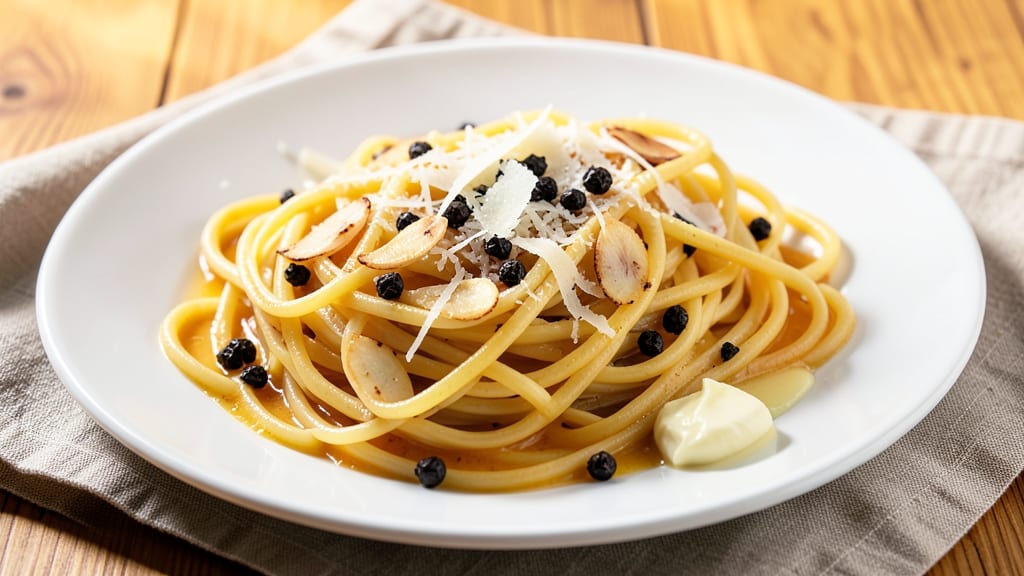
This 3-egg pasta recipe transforms a simple one-pan meal into a luxurious experience with silky ribbons of yolk and perfectly al dente noodles. The secret lies in the eggs—rich, creamy, and binding the sauce to every strand of pasta without overpowering it.
I developed this method after years of perfecting carbonara-like textures, ensuring the sauce clings while maintaining that delicate balance between richness and freshness.
The beauty of this recipe is its simplicity: just three eggs, high-quality pasta, and a few pantry staples create a dish that feels restaurant-worthy. The eggs cook gently in the residual heat of the pasta water, creating those signature yolk ribbons that elevate every bite.
No need for complicated techniques—just precise timing and a hot pan to finish the sauce just right.
What you’ll end up with is a plate of creamy, golden pasta where each forkful delivers tender noodles coated in velvety sauce with pockets of liquid egg. The texture is perfect—not too thick, not too thin—with a richness that comes from the eggs themselves, not heavy cream.
This is the kind of dish that makes weeknight dinner feel like a special occasion.
Pair it with a crisp green salad or garlic bread to soak up every last drop of that luxurious sauce. The recipe scales easily, so whether you're cooking for two or feeding a crowd, the method stays the same.
Let’s make this pasta—it’s simpler than you think, but the results are anything but basic.
Ingredients for 3 egg pasta
Three eggs and a few pantry staples create restaurant-quality pasta with velvety yolk ribbons.
| Ingredient | Amount | Notes |
|---|---|---|
| Large Eggs 🥚 | 3 whole | Room temperature for even cooking |
| Spaghetti 🍝 | 12 oz | High-quality, al dente pasta |
| Unsalted Butter 🧈 | 2 tbsp | Full-fat for richness |
| Parmesan Cheese 🧀 | ½ cup | Freshly grated, fine grade |
| Garlic Cloves 🧄 | 2 cloves | Minced, for aromatic base |
| Fresh Black Pepper 🌶️ | ½ tsp | Freshly cracked preferred |
| Sea Salt 🧂 | 1 tsp | Diamond Crystal preferred |
| Extra-Virgin Olive Oil 🫒 | 1 tbsp | For finishing and richness |
| Pasta Water 💧 | 1 ½ cups | Reserved from cooking pasta |
The eggs are non-negotiable here—fresh, room-temperature large eggs give you the best ribbons. Grab them from Whole Foods or your local market if you can, but any store-bought eggs work fine. The pasta matters too—De Cecco or Barilla are reliable choices for al dente texture. If you're using dried pasta, make sure it's high-quality; the cheaper brands turn mushy. The Parmesan should be real Parmigiano-Reggiano—none of that pre-shredded stuff. Grate it yourself for the best flavor and texture.
No fresh black pepper? Dried works at half the amount, but freshly cracked is ideal. Short on butter? Olive oil works in a pinch, though it won't give the same richness. The garlic can be pre-minced if you're in a hurry, but fresh is always better. If you don't have pasta water reserved, just add a splash of water when combining the eggs and cheese—it helps emulsify the sauce. The olive oil at the end? Don't skip this step—it adds a bright finish that ties everything together.
This dish is best served immediately, but if you need to prep ahead, cook the pasta al dente, drain it, and toss with a little olive oil to prevent sticking. Keep the eggs and cheese separate until ready to combine. The sauce reheats beautifully—just add a splash of water or pasta water to loosen it. Leftovers keep for 2-3 days in the fridge, though it's even better fresh. For a crowd, double the recipe—just make sure your pan is big enough to handle the extra pasta.
Why You'll Love This Recipe
- Five-Ingredient Magic: I swear by this—just eggs, pasta, butter, garlic, and cheese. That’s it. No fancy prep, no hidden pantry raids, just pure, satisfying simplicity.
- Butter-Garlic Bliss: The moment that garlic hits the butter? Rich, nutty, and almost too good. Then the eggs—creamy, custardy perfection clinging to every strand of al dente spaghetti. (Yes, I lick the plate.)
- Lunchbox Hero: Pack this cold the next day, and it’s still chef’s kiss. Kids won’t believe it’s just eggs and pasta—my son calls it “fancy pasta,” and honestly? He’s not wrong.
- Budget Night Win: Three eggs stretch further than you’d think, especially with that sharp Parmesan. I’ve fed four people for under $5, and no one complains about the taste—or the leftovers. (They’re even better reheated.)
Step-by-step instructions for one-pan creamy egg pasta
Master this technique and you'll achieve silky yolk ribbons every time—no separation, no scrambling.
Cook Spaghetti Until Al Dente
Bring a large pot of water to a rolling boil and add the 12 oz spaghetti along with 1 tsp sea salt. Cook until 1 minute shy of package directions for al dente texture—you want the pasta to have a slight bite. Reserve 1.5 cups pasta water before draining, as this starchy liquid is crucial for the sauce's creaminess.
Real talk: Don't rinse the pasta. The surface starch helps the egg sauce cling beautifully. Drain the pasta directly into the pot you'll use for the eggs, leaving it warm and ready for the next step. The residual heat will be your secret weapon for perfect yolk ribbons.
Prepare the Egg Mixture
In a separate bowl, whisk together the 3 whole large eggs (at room temperature), 0.5 cup parmesan cheese, 0.5 tsp fresh black pepper, and 2 tbsp unsalted butter until fully combined. The mixture should be pale yellow and slightly thickened. I like to add a pinch of extra salt here—this dish needs bold flavor to stand up to the rich eggs.
This is where precision matters. The eggs should be at room temperature (I take them out of the fridge 30 minutes before starting). Cold eggs create uneven cooking and risk breaking the emulsion. The parmesan should be freshly grated—pre-shredded cheese contains anti-caking agents that prevent smooth melting.
Combine Pasta and Eggs Off Heat
Remove the pot with warm pasta from heat and immediately add the egg mixture. Stir vigorously for 30-45 seconds until the eggs begin to thicken but aren't fully cooked. This off-heat method prevents scrambling while creating those signature yolk ribbons. You're looking for a velvety texture that coats the pasta strands completely.
Here's the thing—don't walk away. If you see the sauce starting to tighten too quickly, add 1-2 tablespoons of the reserved pasta water to loosen it. The goal is a creamy, clingy sauce that doesn't break apart when you serve it. If the sauce looks too thick after stirring, add more pasta water 1 tablespoon at a time until it reaches a luxurious, slightly pourable consistency.
Finish with Garlic and Olive Oil
Return the pot to low heat and add the 2 cloves minced garlic and 1 tbsp extra-virgin olive oil. Stir gently for 1-2 minutes just until the garlic becomes fragrant—don't let it brown or it'll turn bitter. The olive oil adds richness and helps stabilize the sauce.
Taste and adjust seasoning with additional sea salt or fresh black pepper if needed. The sauce should be rich, creamy, and properly seasoned—each bite should deliver a perfect balance of eggy richness, salty parmesan, and aromatic garlic. Remove from heat immediately after seasoning to prevent the eggs from overcooking.
Serve Immediately for Perfect Texture
Transfer the pasta to serving plates and garnish with additional freshly grated parmesan cheese and freshly cracked black pepper. The sauce will continue to thicken slightly as it sits, so serve within 5 minutes of cooking for that signature creamy-yet-slightly-runny texture that clings to every strand of pasta.
This dish is all about timing and temperature control. The eggs cook gently in the residual heat of the pasta, creating those beautiful yolk ribbons without scrambling. Each forkful should deliver a perfect balance of creamy sauce and al dente pasta—no dry pasta, no broken eggs, just restaurant-quality pasta in one pan.
Pro Tips For Making 3 Egg Pasta
- Whisk Eggs Like a Pro: DESCRIPTION: Crack eggs into a bowl first, then whisk—no shells in your sauce. I learned this the hard way when a tiny fragment ended up in my otherwise perfect egg mixture. Use a fork or whisk, but don’t go full speed until the eggs are fully combined, or you’ll end up with scrambled bits instead of a smooth ribbon.
- Salt the Pasta Water Hard: DESCRIPTION: Taste the water before adding pasta—it should be way saltier than you’d season soup. Unsalted butter in the eggs means you need that water salty to balance the dish. I used to skimp, and the pasta always tasted bland compared to the rich egg sauce.
- Toast Garlic Low and Slow: DESCRIPTION: Sauté minced garlic in butter over low heat until it’s golden, not browned—burnt garlic ruins the whole dish. I was skeptical until I tried it; now I swear by the nutty aroma it adds without bitterness. Remove it just before the eggs go in to keep the flavor fresh.
- Reserve Starchy Water: DESCRIPTION: Before draining the pasta, scoop out ½ cup of the starchy water—it’s liquid gold for binding the sauce. I used to toss it, but now I add it to the eggs while whisking; it makes the sauce cling to the pasta like a dream. No extra flour needed.
Troubleshooting your 3 egg pasta
Eggs Curdling?
If your egg sauce separates or curdles, it’s usually from heat exposure. The key is to combine eggs with warm pasta off the heat—never let the mixture boil. I’ve ruined this dish before by returning it to high heat too soon.
Instead, stir vigorously for 30-45 seconds off heat until the sauce thickens just enough to coat the pasta. If it starts curdling, immediately add 1-2 tablespoons of reserved pasta water to bring it back together. 💛
Pasta Too Dry?
Overcooked pasta will absorb all the sauce, leaving you with dry strands. Always cook pasta 1 minute shy of package directions for al dente texture. If your pasta still feels undercooked after draining, finish it in the egg mixture—just 10-15 seconds of stirring will help.
For extra insurance, reserve ½ cup more pasta water than you think you’ll need. The starch in the water acts as a natural emulsifier, keeping the sauce silky.
Sauce Too Thick?
A thick, gluey sauce happens when the eggs cook too long or the pasta absorbs too much liquid. To fix this, add 1 tablespoon reserved pasta water at a time while stirring gently over low heat.
The goal is a sauce that’s creamy but still pourable—it should coat the back of a spoon without being watery. If the sauce breaks entirely, whisk in 1 teaspoon cold water or olive oil to help re-emulsify it. Remember: the sauce will thicken as it sits, so don’t overcorrect.
Broken Yolk Ribbons?
Those signature yolk ribbons disappear when eggs overcook or the sauce sits too long. To prevent this, serve the pasta immediately after combining the eggs. If you must hold it, keep the pot off the heat and stir occasionally to prevent curdling.
For extra insurance, finish the dish with a drizzle of cold olive oil—it helps stabilize the sauce and keeps the yolks intact longer. Pro tip: Use room-temperature eggs (they cook more evenly) and stir the pasta vigorously when combining with the egg mixture.
Pasta Sticking Together?
Pasta clumps when it’s not tossed immediately after draining or when the sauce isn’t properly emulsified. To avoid this, drain the pasta directly into the pot you’ll use for the eggs, then toss it with a splash of pasta water before adding the egg mixture.
This creates a thin starch coating that prevents sticking. If clumps form during cooking, gently break them apart with a fork—don’t over-stir, or you’ll risk breaking the sauce’s emulsion. A wooden spoon works best for this delicate step.
Sauce Too Bland?
This dish needs bold flavors to stand up to the richness of the eggs. If your sauce tastes flat, it’s likely underseasoned. Taste the egg mixture before combining with pasta and adjust with ½ teaspoon extra salt or a pinch of freshly cracked black pepper.
After finishing with garlic and olive oil, give it one last taste—don’t be shy with seasoning! For extra depth, add a pinch of nutmeg or red pepper flakes to the egg mixture.
The sauce should be so flavorful that you can taste the individual components: eggy richness, salty parmesan, and aromatic garlic. ✨
Nutrition facts
Frequently asked questions
Why does this recipe use 3 eggs instead of 2 or 4?
The 3-egg ratio creates the perfect balance of richness and texture. Three eggs provide enough creaminess to fully coat 12 oz of pasta without making the sauce overly heavy. Fewer eggs would leave the pasta dry, while more could make the sauce too thick and break the delicate yolk ribbons.
Can I substitute butter with something else?
Yes, but the flavor and texture will change. For richness, use olive oil (same amount), though it won't be as creamy. If you're avoiding dairy, try vegetable oil or avocado oil—just add 1 extra tablespoon to compensate for the lack of fat. The sauce will still work, but the mouthfeel won't be as luxurious.
How do I make this with fresh egg pasta instead of dried?
Fresh egg pasta requires a different approach. Cook it for just 2-3 minutes in boiling water (it's much faster than dried), then drain and immediately toss with 1 tbsp olive oil to prevent sticking. Combine with the egg mixture off heat as directed, but reduce the pasta water to ½ cup—fresh pasta releases less starch. The result will be even silkier!
What if I don't have pasta water reserved?
No problem! Use ¼ cup warm water mixed with 1 tbsp cornstarch as a substitute. The cornstarch mimics the starch content of pasta water and helps emulsify the sauce. Add it gradually while stirring the egg mixture to avoid lumps. The texture won't be identical, but it'll still work beautifully.
Can I make this ahead of time?
This dish is best served immediately, but you can prep components ahead. Cook the pasta al dente, drain, and toss with 1 tbsp olive oil to prevent sticking. Store in the fridge for up to 2 days. When ready to serve, reheat the pasta in a dry pan for 2 minutes, then combine with the egg mixture fresh. The sauce reheats beautifully with a splash of water.