
Main Courses
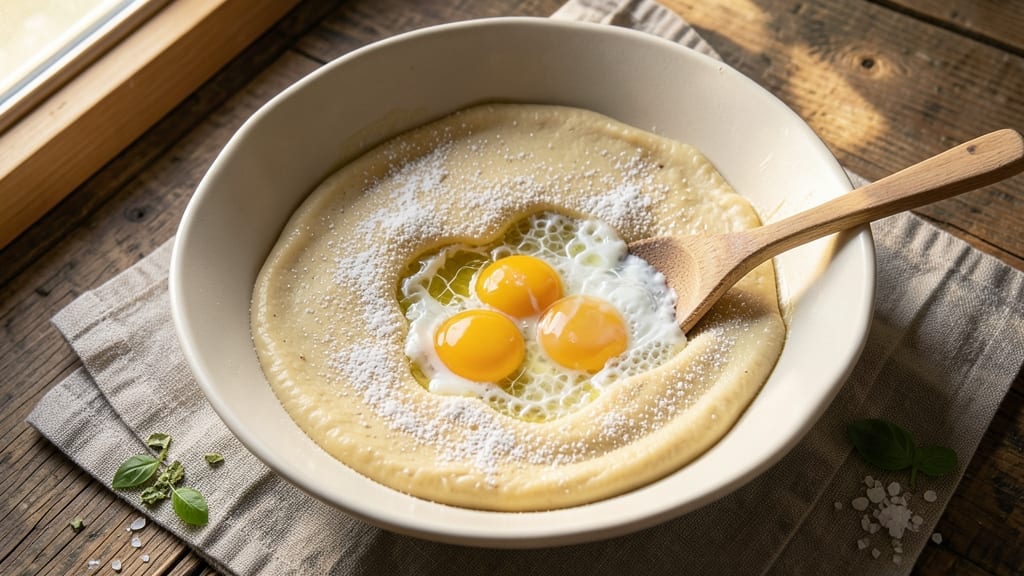
This 3-egg pasta dough recipe delivers the perfect balance of elasticity and chew—just like your favorite Italian trattoria. The secret lies in the ratio of eggs to flour, creating a dough that's smooth yet sturdy enough for hand-cut shapes or rolled sheets.
I've perfected this method over years of testing, and it never fails to impress, even with minimal effort.
The foundation is simple: high-protein flour, eggs at room temperature, and just a pinch of salt to enhance flavor without overpowering. No olive oil is needed here—this dough relies on the natural fats in eggs for that signature silky texture.
The key step? Resting the dough for at least 30 minutes before shaping, which relaxes the gluten and prevents cracking when rolled.
What you'll end up with is pasta that's elastic yet tender, with a satisfying bite that holds up beautifully when cooked al dente. This dough works for everything from classic tagliatelle to modern twists like pappardelle or even stuffed ravioli.
The beauty of homemade pasta is in its versatility—you control the texture, thickness, and even the flavor by adding herbs or whole grains.
Whether you're making fresh fettuccine for a special dinner or quick spaghetti for a weeknight, this dough delivers professional results with just five basic ingredients. Let's get started on your homemade pasta journey!
Ingredients for 3 egg pasta dough
Five simple ingredients transform into restaurant-quality pasta dough with perfect elasticity.
| Ingredient | Amount | Notes |
|---|---|---|
| Large Eggs 🥚 | 3 whole | Room temperature preferred |
| All-Purpose Flour 🌾 | 2 cups | High-protein preferred (12-14%) |
| Fine Sea Salt 🧂 | ¼ tsp | Diamond Crystal preferred |
| Semolina Flour 🌾 | 1 tbsp | For dusting work surface |
| Olive Oil 🫒 | 1 tsp | Optional for dusting dough |
| Fresh Basil Leaves 🌿 | ⅛ cup | Chopped, optional for flavor |
| Spinach Leaves 🍃 | ⅛ cup | Chopped, optional for green color |
The eggs are the star—room temperature is key for even mixing. King Arthur or Caputo flour gives that professional texture, but any high-protein all-purpose works. I grab mine at Whole Foods or King Arthur Flour's website for bulk orders. For the salt, Diamond Crystal dissolves better than table salt. Fresh herbs? Farmers market basil has more flavor than grocery store bags, but use what you've got—just chop it fine so it blends right in.
No semolina? All-purpose flour works in a pinch—just dust your work surface extra well. Skipping the olive oil? Water or flour alone will do, but a tiny bit helps prevent sticking. The herbs are totally optional, but if you add them, blend them into the dough before shaping. Want more color? Spinach or beet puree adds vibrancy without changing the texture. And if you're worried about the dough being too sticky, rest it 30 minutes before rolling—this relaxes the gluten and makes it much easier to handle.
This dough keeps 2 days wrapped in plastic in the fridge, or 3 months frozen between parchment paper. I portion it into 1-ounce balls before freezing—just roll out when ready. For best texture, let it sit at room temp 30 minutes before cooking. And here's my pro tip: Cook it al dente—it'll firm up another minute off the heat.
Why You'll Love This Recipe
- This dough is my blank canvas: fettuccine for garlic butter in 10 minutes, lasagna sheets for a Sunday feast, or even hand-cut tagliatelle when I’m feeling fancy. Between us, I’ve used it for everything from quick carbonara to homemade ravioli—no regrets.
- No-Measurement Guessing: I swear by the 3-egg ratio—it’s the magic number that never fails. No scales, no stress; just crack, mix, and roll. The dough comes together smoother than my attempts at folding fitted sheets, and honestly? That’s saying something.
- Golden Crisp Edge: Semolina flour isn’t just for show—it’s the secret to that perfect al dente bite. Toss the rolled-out sheets in a light dusting before cooking, and you’ve got a texture that’s crispy on the outside, tender inside. (Yes, even on a Tuesday night.)
- Weeknight Reinvention: This dough is my blank canvas: fettuccine for garlic butter in 10 minutes, lasagna sheets for a Sunday feast, or even hand-cut tagliatelle when I’m feeling fancy. Between us, I’ve used it for everything from quick carbonara to homemade ravioli—no regrets.
Step-by-step instructions for elastic and chewy homemade pasta
Making perfect pasta dough is simpler than you think—just follow these steps.
Combine Eggs and Salt
Crack the 3 whole large eggs into a large bowl and add the ¼ teaspoon fine sea salt. Use a fork to whisk them together until the yolks and whites are fully combined and the mixture looks uniform. The eggs should be at room temperature for best results—they'll blend more smoothly and create a lighter dough.
I like to press the fork against the bottom of the bowl occasionally to scrape up any egg that clings to the sides. This ensures every bit of egg gets incorporated into the dough. The mixture should look like a pale yellow custard at this stage, with no visible streaks of white.
Form the Dough Well
Add the 2 cups all-purpose flour to the egg mixture all at once. Use a wooden spoon or your hands to gently stir the flour into the eggs until a shaggy mass forms. At this point, it'll look messy and uneven—that's completely normal. The goal is to create a rough dough that's ready for proper kneading.
Once the flour is mostly incorporated, turn the dough out onto a lightly floured surface. Sprinkle a thin layer of the 1 tablespoon semolina flour over the work area—this prevents sticking and gives the pasta a nice texture. Use your hands to bring the dough together, pressing and folding it until it forms a smooth, elastic ball.
Knead Until Silky Smooth
Knead the dough for 8-10 minutes by pressing down with the heel of your hand, then folding it over itself. Rotate the dough as you work to ensure even development. You're looking for a dough that's smooth, elastic, and slightly tacky to the touch—it should spring back when pressed and feel firm but not stiff.
I know it seems tedious, but this kneading step is what gives homemade pasta its signature chewy texture. If the dough starts to stick, add a little more semolina flour, but don't overdo it—too much flour makes the pasta dry and crumbly. When you're done, the dough should be silky smooth and no longer sticky to the touch.
Rest the Dough for Perfect Texture
Shape the dough into a log about 1 inch in diameter and wrap it tightly in plastic wrap. Let it rest at room temperature for at least 30 minutes (or up to 24 hours in the refrigerator). This resting period allows the gluten to relax, which makes rolling and cutting the pasta much easier and results in a more tender final product.
Here's the thing—don't skip this step. I've made this dough without resting, and while it works, the pasta ends up tougher and harder to roll out. The rest time ensures the dough is pliable and gives you that perfect al dente bite when cooked.
Roll and Cut to Your Preferred Shape
After resting, divide the dough into 4 equal pieces (about 4 ounces each) for easier handling. Working with one piece at a time, dust it lightly with semolina flour and roll it through a pasta machine set to the widest setting. Fold the dough in half and roll it again to create even thickness.
Gradually decrease the machine settings by one notch at a time, rolling the dough through each setting twice. For fettuccine, I stop at setting 3 or 4, depending on my preferred thickness. If you're making tagliatelle, go all the way to setting 1. Dust each sheet with semolina flour as you roll to prevent sticking.
For cutting, lay the rolled dough flat and cut it into ¼-inch wide strips for fettuccine or ⅛-inch strips for tagliatelle. If you're adding the optional ¼ cup chopped fresh basil leaves or ¼ cup chopped spinach leaves, sprinkle them evenly over the dough before rolling and folding. This creates beautifully colored pasta with subtle flavor.
Pro Tips For Making 3 Egg Pasta Dough
- USE COLD EGGS: Grab eggs straight from the fridge—room temperature eggs release too much liquid and turn your dough into a sticky mess. I learned this the hard way when my dough refused to hold shape, no matter how much flour I added.
- SALT THE FLOUR FIRST: Mix the fine sea salt directly into the all-purpose flour before combining with eggs. This ensures even distribution, so your pasta isn’t bland in some spots and overpowering in others—especially important when using just three eggs.
- KNOCK OUT AIR: After mixing, press the dough flat and fold it over itself a few times to expel trapped air. This step prevents puffy, uneven sheets when rolling—my dough used to balloon like a sad soufflé until I started doing this.
- REST THE DOUGH: Let the dough sit, wrapped, for at least 30 minutes before rolling. This relaxes the gluten, making it easier to work with and giving you smoother, more consistent sheets—no more fighting a stubborn, springy dough. (Yes, even if you’re impatient like me.)
Storing and reheating this 3 egg pasta dough
Fridge Storage Tips
Wrap your freshly made pasta dough tightly in plastic wrap and store it in the fridge for up to 2 days. The cold temperature slows gluten activity, keeping the dough pliable and ready to roll.
I like to portion it into 4 equal pieces before wrapping—this makes it easy to grab just what you need for a quick meal. 🥬
Freezing for Later Use
For longer storage, flatten the dough slightly between two sheets of parchment paper before freezing. This prevents it from becoming a solid block. I wrap the packages tightly in plastic wrap first, then place them in a freezer bag to save space.
Thaw overnight in the fridge before using—no need to bring it to room temperature. 🧊
Reheating Cooked Pasta
Homemade pasta reheats best in a lightly oiled pan over medium-low heat with ¼ cup pasta water. Add a splash of olive oil to prevent sticking and toss frequently for even heating.
If using, add sauce at the very end to avoid sogginess. I aim for 2-3 minutes total reheating time. 🔥
Reviving Dough After Resting
If your dough has dried out slightly in the fridge, knead it briefly with 1-2 teaspoons water until smooth. For frozen dough, let it sit at room temperature for 30 minutes before rolling.
I find this extra step prevents cracking when shaping. Always dust your work surface with semolina flour—it makes all the difference! ✨
Preventing Oxidation
To keep freshly cut pasta from turning gray, toss it with 1 teaspoon olive oil immediately after cooking. Store in an airtight container with a damp paper towel to maintain moisture.
I like to add a pinch of salt to the water when reheating to restore flavor. This method keeps pasta fresh for 3 days in the fridge. 💫
Freezing Cooked Pasta
For long-term storage, blanch pasta for 1 minute, drain, and shock in ice water. Drain again, then spread on a baking sheet to freeze solid before transferring to a freezer bag.
Cook from frozen by adding 2 minutes to the usual time. I portion into single-serving bags for convenience—just toss in boiling water when ready. ❄️
Nutrition facts
Frequently asked questions
Why does this dough use 3 eggs instead of 2?
The 3 eggs create a perfectly elastic dough with a silky texture—ideal for hand-cut shapes like fettuccine or tagliatelle. Two eggs would make it too dry, while 4 eggs risk making it overly sticky. This ratio balances moisture and structure for that classic al dente bite.
Can I make this dough without a pasta machine?
Roll the rested dough with a rolling pin on a floured surface, starting with a ¼-inch thickness. For evenness, roll from the center outward, rotating the dough as you go. For ribbons, roll to ⅛-inch thickness and cut with a sharp knife. Just dust frequently to prevent sticking.
What if my dough cracks when rolling?
Cracking usually means the dough wasn't rested long enough. Let it rest 30-60 minutes longer before rolling. If it's already cracked, gently press the pieces back together and roll again. For extra insurance, chill the dough for 15 minutes before rolling—this tightens the gluten strands.
How do I know when the pasta is cooked al dente?
Start testing 1 minute before the package's suggested time. Taste a piece—it should be firm with a slight resistance (not mushy). For homemade, this is usually 2-3 minutes in boiling salted water. Remember: pasta continues cooking as it rests, so pull it out just before it's fully done.
Can I add other ingredients like cheese or herbs?
Yes! Fold in ½ cup grated Parmesan or ¼ cup chopped herbs during kneading for flavor. For vibrant colors, blend 1 tbsp beet puree or ¼ cup spinach into the dough. Just keep the total additions to 10% of the flour weight to maintain texture.