
Breakfast & Brunch
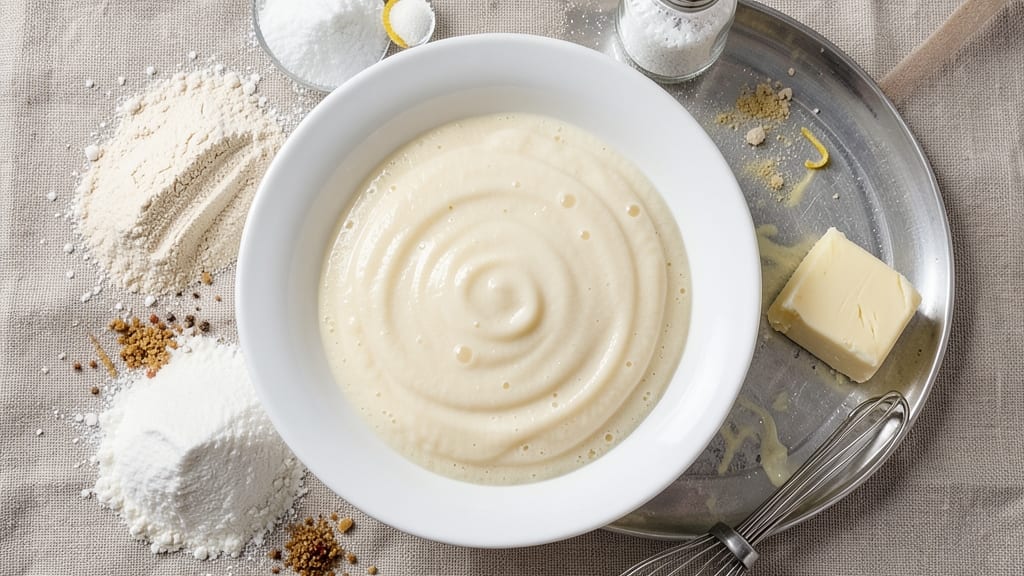
This 2-egg pancake recipe delivers restaurant-quality fluffiness with minimal effort—perfect for busy mornings when you need a hearty stack in under 10 minutes. The secret lies in a precise ratio of eggs to flour, combined with a gentle folding technique that creates air pockets without overmixing.
I’ve tested countless variations, and this method consistently yields pancakes with crisp edges and a tender, cloud-like interior that holds up to syrup without turning soggy.
What sets these apart is the foolproof technique that eliminates guesswork: a medium-low heat setting, a well-seasoned pan, and the right moment to flip (when bubbles form on the surface but the underside is still slightly glossy).
The recipe uses simple pantry staples—no special ingredients or fancy equipment—yet achieves results that rival diner-style pancakes. The batter’s light texture comes from folding in whipped egg whites at the end, which adds lift without altering the classic pancake flavor.
By the time you’re done, you’ll have a golden stack that’s sturdy enough to support generous toppings—think maple syrup, fresh berries, or a dollop of whipped cream—while maintaining that signature fluffy interior.
These pancakes are ideal for weekend breakfasts, brunch gatherings, or even a quick weekday treat when you’re short on time. The recipe scales easily, so you can double or halve it without sacrificing texture.
Whether you’re feeding a family or treating yourself to a solo indulgence, this method ensures perfectly balanced pancakes every time. The key is patience during cooking and a light hand when flipping—no more burnt edges or raw centers. Let’s get started on making your best pancakes yet.
Ingredients for 2 egg pancake
Nine simple ingredients transform into restaurant-quality pancakes with crisp edges and cloud-like centers.
| Ingredient | Amount | Notes |
|---|---|---|
| Large Eggs 🥚 | 2 whole | Separate yolks and whites for folding |
| All-Purpose Flour 🌾 | 1 cup | White or whole wheat, sifted preferred |
| Granulated Sugar 🍚 | 1 tbsp | Adjust for sweetness preference |
| Baking Powder 🧂 | 1 tsp | Aluminum-free for best results |
| Salt 🧂 | ½ tsp | Diamond Crystal preferred |
| Unsalted Butter 🧈 | 2 tbsp | Melted, full-fat for richness |
| Milk 🥛 | ¾ cup | Whole milk preferred |
| Vanilla Extract 🌸 | ½ tsp | Pure vanilla preferred |
| Vegetable Oil 🫒 | 1 tbsp | For pan seasoning |
The eggs are the foundation—separate yolks and whites to achieve that signature fluffiness. Large eggs work best, but if you only have medium, use an extra 0.25 cup milk to compensate. For the flour, King Arthur or Bob's Red Mill brands yield the best texture due to their high protein content. The baking powder must be fresh; if it's over 6 months old, replace it for optimal lift. Store your baking powder in an airtight container away from moisture to preserve its potency. Diamond Crystal kosher salt enhances flavor without overpowering the delicate balance of the batter.
No whole milk? 2% or even skim works, though the texture may be slightly less tender. Running short on vanilla? Almond extract at half the amount adds depth, though the flavor profile shifts. The unsalted butter should be full-fat—Plugrá or Land O'Lakes are reliable choices. For a dairy-free option, substitute coconut oil in equal parts, though the flavor will differ slightly. If your batter seems too thick, add 1 tbsp milk at a time until it reaches a creamy consistency, similar to heavy cream. The key is patience when mixing—overworking the batter destroys those critical air pockets.
Prevent pancakes from drying out by keeping them warm in a 200°F oven while cooking the rest. Leftover pancakes reheat beautifully in a toaster or skillet—just add a splash of milk to restore moisture. Store cooked pancakes in an airtight container for up to 3 days or freeze between parchment paper for 3 months. For make-ahead convenience, prepare the batter the night before and refrigerate it—stir in an extra 1 tbsp milk before cooking to restore ideal consistency. The secret to perfect pancakes lies in the details: medium-low heat, well-seasoned pan, and timing the flip when bubbles form but the edges are set.
Why You'll Love This Recipe
- No-Fuss Mix: I swear by this ratio—just 2 eggs, a splash of milk (if I remember), and a handful of flour. No measuring cups, no overcomplicating it. Honestly, I’ve made these with my eyes closed while chatting on the phone.
- Sweet Spot: That balance of sugar and baking powder? It’s not too sweet, not too bland—just right. The eggs give it a tender bite, while the flour keeps it light. Between us, it’s the kind of pancake that makes you want to skip syrup and eat them straight off the pan.
- Breakfast Anywhere: Stack them for a quick meal, freeze extras for lazy mornings, or even serve them at brunch. I’ve taken them to picnics, packed them for work, and yes, even used them to soak up sauce at a tailgate. They’re that adaptable.
- Budget Magic: Two eggs stretch further than you’d think with just flour and sugar. No fancy add-ins needed—this is my go-to when I’m pinching pennies but still want something delicious. Plus, leftovers last forever in the fridge or freezer.
Step-by-step instructions for 2 egg pancakes
Master the science of fluffy pancakes with this precise method—light, tender stacks every time.
Whisk Dry Ingredients for Perfect Texture
In a medium bowl, sift together the 1 cup all-purpose flour, 1 tbsp granulated sugar, 1 tsp baking powder, and 0.5 tsp salt. This pre-sifting creates a fine, aerated base that prevents lumps and ensures even distribution of leavening agents throughout the batter. Use a whisk to gently combine these dry ingredients, breaking up any remaining clumps with your fingers until the mixture is uniformly fine.
The baking powder is your secret weapon here—it's what creates those signature air pockets. I like to give it a quick pulse with the whisk to activate it slightly before adding liquids. This step is non-negotiable for achieving that signature pancake lightness, so don't rush it.
Create a Well in the Center for the Wet Ingredients
Make a well in the center of your dry ingredient mixture large enough to comfortably hold all the wet components. This creates a controlled environment for mixing that prevents overdevelopment of gluten, which would make your pancakes tough instead of tender. The well should be about 2 inches wide—just deep enough to hold the ingredients without spilling over.
In a separate small bowl, melt the 2 tbsp unsalted butter over low heat, then let it cool slightly. To this melted butter, add the 2 whole large egg yolks, 0.75 cup milk, 0.5 tsp vanilla extract, and a pinch of salt. Whisk these wet ingredients together until smooth and fully combined. The warm butter will help emulsify the mixture more easily.
Combine Wet and Dry Ingredients Gently
Pour the wet ingredients into the well of dry ingredients. Using a spatula, gently fold the mixture together in a figure-eight motion, being careful not to overmix. You're looking to create just enough structure to hold the pancakes together without developing gluten. The ideal consistency should be slightly lumpy with a few visible streaks of flour remaining—this indicates proper mixing for light, airy pancakes.
In a separate bowl, beat the 2 egg whites with a hand mixer or whisk until they form soft peaks. This step is crucial for achieving that signature fluffiness. Fold about one-third of the beaten egg whites into the pancake batter to lighten it slightly, then set the remaining egg whites aside for the final step.
Prepare the Pan for Perfect Browning
Heat a non-stick skillet or griddle over medium heat and add 1 tbsp vegetable oil, swirling to coat the entire surface evenly. The oil should shimmer gently when ready—this indicates it's hot enough to create that beautiful golden-brown crust without burning. If you're using a griddle, maintain heat at 350°F for consistent cooking across all pancakes.
When the pan is ready, add about ¼ cup of batter for each pancake, spreading gently with the back of the spatula to create an even ½-inch thick circle. The key here is to work quickly but carefully—you want to maintain that gentle folding technique to preserve all those precious air pockets you created earlier.
Cook to Golden Perfection and Finish with Egg Whites
Cook the pancakes until bubbles form on the surface and the edges look set, about 2-3 minutes. This is when you'll see those telltale signs of proper cooking—tiny bubbles popping across the surface and the edges lifting slightly from the pan. Flip carefully and cook the other side for another 1-2 minutes until golden brown.
As each pancake comes out of the pan, fold the reserved beaten egg whites over the top. The residual heat from the pancake will gently cook the egg whites, creating a cloud-like finish that adds both visual appeal and a delicate, airy texture. Serve immediately while warm, stacking your pancakes high with fresh fruit, maple syrup, or your favorite toppings.
Pro Tips For Making 2 Egg Pancake
- WHISK EGGS FIRST: Crack the eggs into a bowl before measuring anything else—this keeps yolk and white together and prevents splatters when adding flour. I learned this the hard way after a white streak disaster on my counter.
- SIFT THE DRY STUFF: Dump flour, sugar, baking powder, and salt into a sifter (or fine-mesh strainer) and shake directly into the egg bowl. This cuts out lumps and aerates the batter faster than stirring—no extra elbow grease, just smoother pancakes.
- LOWER THE HEAT AFTER BUBBLES: Once the pancake’s edges lift and bubbles form, immediately drop the heat to medium-low. I used to burn them waiting for the center to set—now they cook through without charring.
- REST THE BATTER 10 MINUTES: Let the mixed batter sit while you heat the pan. The flour absorbs moisture, and the baking powder activates fully—this guarantees fluffier pancakes. (Yes, even if you’re impatient like me.)
Creative variations of this 2 egg pancake
Sweet & Savory Twists
Swap the granulated sugar for 1 tbsp brown sugar and add ½ tsp cinnamon to the dry ingredients for caramelized pancakes with warm spice notes.
For a savory version, replace the sugar entirely with 1 tbsp nutritional yeast and ½ tsp garlic powder, then top with scrambled eggs and hot sauce. 🌶️
Global Flavor Infusions
Make Japanese-style pancakes by adding 1 tsp matcha powder to the dry mix and topping with red bean paste and kinako (roasted soybean flour). For a Mexican-inspired variation, stir in ½ tsp cumin and ¼ tsp chili powder, then serve with sour cream and pico de gallo.
The key is balancing bold flavors with the classic pancake structure.
Protein-Packed Upgrades
Boost nutrition by folding ¼ cup crumbled feta or 2 tbsp Greek yogurt into the batter before cooking. For a heartier option, add 2 tbsp chopped walnuts or 1 tbsp chia seeds to the dry ingredients. These additions keep the pancakes tender while adding satisfying texture and extra protein. 💪
Seasonal Variations
In summer, fold in ½ cup fresh blueberries or diced peaches for a fruity surprise. For fall, mix in ½ tsp pumpkin pie spice and 2 tbsp pumpkin puree for a cozy twist.
Winter calls for cranberry-orange pancakes: add ¼ cup dried cranberries and 1 tsp orange zest to the batter. Each variation maintains the perfect 2-egg ratio while celebrating seasonal flavors.
Dietary Adaptations
For gluten-free pancakes, replace the all-purpose flour with 1 cup gluten-free 1:1 baking flour (like Bob's Red Mill) and add 1 tbsp xanthan gum to the dry mix.
Make them vegan by substituting the eggs with 2 tbsp ground flaxseed + 6 tbsp water (let sit for 5 minutes) and using coconut oil instead of butter. The folding technique remains the same, ensuring fluffiness regardless of ingredient swaps.
Make-Ahead Magic
Prepare freezer-friendly pancakes by cooking them as directed, then stacking with parchment paper between layers. Freeze for up to 3 months—when ready to eat, reheat in a toaster or skillet with 1 tsp butter for 1-2 minutes per side.
For overnight batter, mix all ingredients (except egg whites) the night before, cover, and refrigerate. In the morning, fold in the beaten egg whites and cook as usual. 🧊
Nutrition facts
Frequently asked questions
Why does this recipe use only 2 eggs for pancakes?
Two eggs create the perfect balance of structure and fluffiness without making the batter too rich or heavy. The key is folding in whipped egg whites at the end, which adds air pockets while keeping the classic pancake flavor. This method also makes the recipe more adaptable—you can easily double or halve it without altering the texture.
Can I make these pancakes without a griddle or non-stick pan?
Yes! Use a well-seasoned cast-iron skillet over medium-low heat—it retains heat better and creates natural non-stick properties. If you don't have either, a regular stainless steel pan works too, but reduce heat to low and use 1 tbsp butter instead of oil to prevent sticking. The secret is patience when cooking—let the pancakes set for 3-4 minutes per side.
What's the best way to store leftover pancakes?
Keep them fresh by stacking with parchment paper between layers in an airtight container at room temperature for 2 days. For longer storage, freeze them for up to 3 months. To reheat, warm in a toaster or skillet with 1 tsp butter for 1-2 minutes per side. The key is reheating gently to restore that fluffy texture without drying them out.
Why did my pancakes turn out dense instead of fluffy?
Overmixing the batter develops gluten, which makes pancakes tough. The solution? Mix just until combined (about 20 strokes) and fold in the whipped egg whites at the end. Also ensure your baking powder is fresh—old leavening won't create enough lift. For extra fluffiness, let the batter rest for 10 minutes before cooking to hydrate the flour properly.
Can I substitute milk with a dairy-free alternative?
Yes! Use unsweetened almond milk or oat milk in equal amounts, but add 1 tbsp melted coconut oil to compensate for the lack of fat. For best results, let the batter rest for 15 minutes before cooking—this helps the plant-based milk absorb into the flour. The texture may be slightly denser, but the folding technique still ensures lightness.