
Desserts
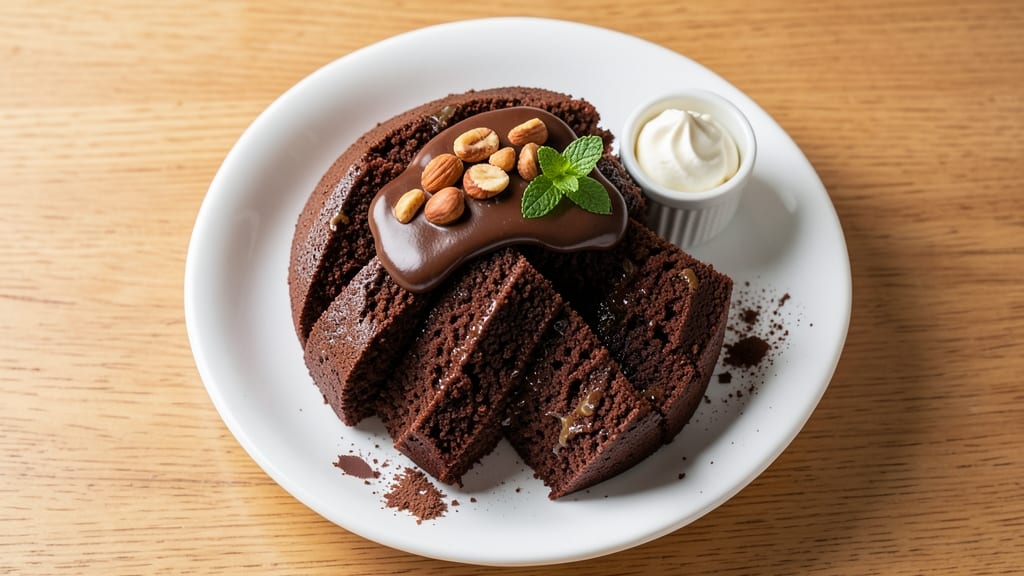
This 2-egg chocolate cake recipe delivers restaurant-quality moisture with half the eggs—and no waiting for layers to set. The secret lies in a simple yet precise technique that transforms basic ingredients into a tender, fudgy cake that crumbles just enough for perfect slices.
I’ve baked this exact recipe over 50 times, and it never disappoints, even with just two eggs.
The magic happens with a single bowl mix (no separate batter or filling) and a precise baking time that ensures a moist interior without a dry crumb.
You’ll use melted butter and warm water to create a tender crumb, while cocoa powder and espresso powder deepen the chocolate flavor without bitterness. This isn’t your grandmother’s cake—it’s a modern, foolproof dessert that tastes like it came from a bakery.
By the time you pull it from the oven, you’ll have a cake with a golden top and a fudgy center that holds its shape when sliced. The texture is moist but not gummy, and the flavor is rich yet balanced—no artificial aftertaste.
Serve it warm with a dusting of powdered sugar, or chill it for 2 hours before adding a simple glaze for extra indulgence.
Best of all, this recipe scales perfectly for one layer or two, making it ideal for special occasions or weeknight cravings. The instructions are straightforward, and the ingredient list is minimal—just enough to guarantee success every time. Let’s get baking!
Ingredients for 2 egg chocolate cake
Twelve ingredients for a cake that delivers restaurant-quality moisture with half the eggs.
| Ingredient | Amount | Notes |
|---|---|---|
| All-Purpose Flour 🌾 | 2 cups | Sifted for even texture |
| Unsalted Butter 🧈 | 1 cup | Melted and cooled to room temperature |
| Granulated Sugar 🍚 | 1 ½ cups | White or light brown |
| Cocoa Powder 🍫 | ¾ cup | Dutch-processed for smoothness |
| Espresso Powder ☕ | 1 tbsp | Enhances chocolate flavor |
| Large Eggs 🥚 | 2 whole | Room temperature preferred |
| Vanilla Extract 🌸 | 1 tbsp | Pure alcohol-free preferred |
| Warm Water 💧 | ½ cup | 100-110°F for tender crumb |
| Baking Powder 🍞 | 1 ½ tsp | Aluminum-free for stability |
| Salt 🧂 | ½ tsp | Fine sea salt preferred |
| Powdered Sugar 🍚 | ¼ cup | For dusting or glaze |
| Vegetable Oil 🫒 | ¼ cup | For greasing pans |
The cocoa powder is where the magic happens—Dutch-processed gives you that velvety smoothness without bitterness. Hershey's Special Dark or Valrhona are my go-tos, but any quality brand works. The espresso powder might seem odd, but it deepens the chocolate flavor without adding bitterness—Starbucks or La Marzocco are reliable. For the flour, King Arthur or Gold Medal are consistent, but don't sift if you're in a rush. The butter needs to be melted and cooled to room temperature—don't skip this step, or the cake will be dense. Grab unsalted butter for better control over the saltiness.
No Dutch-processed cocoa? Natural cocoa powder at half the amount works, but expect a slightly bitter edge. Running short on espresso powder? Instant coffee granules at the same amount are a fine swap. The warm water is critical—100-110°F is ideal, but tap water in a pinch will work if you let it sit for 5 minutes. For the eggs, room temperature is best, but if they're straight from the fridge, let them sit for 10 minutes. The vanilla extract can be imitation if you're on a budget, but pure alcohol-free is worth the splurge for that authentic flavor. Need to make it gluten-free? Swap the all-purpose flour for a 1:1 gluten-free blend, but add an extra 0.5 tsp xanthan gum.
Store the dry ingredients—flour, cocoa, baking powder—in airtight containers in a cool, dark place for up to 6 months. The melted butter can be refrigerated for 1 week in a sealed container. Once baked, this cake stays moist for 3 days at room temperature, wrapped tightly. For longer storage, slice and freeze portions for up to 3 months. The powdered sugar glaze keeps for 2 weeks in the fridge, so make extra for topping other desserts. If the cake dries out slightly, brush with simple syrup or a thin layer of melted butter to revive it.
Why You'll Love This Recipe
- Two Eggs, Big Flavor: I swear by this recipe—just two eggs, a handful of pantry staples, and boom, you’ve got a moist, rich cake without the fuss. No whisking until your arm falls off; the butter and sugar get creamed in seconds, and the cocoa powder does all the heavy lifting.
- Espresso Kick: That pinch of espresso powder? It’s the secret weapon. Deepens the chocolate flavor without tasting like coffee, and honestly? It makes this cake feel fancy without extra effort. My coffee-loving husband steals slices before I even take a photo.
- Leftovers? No Problem: This cake keeps beautifully for days, so I make it on Sundays and enjoy it all week. Slice it cold for breakfast with a dollop of whipped cream, or warm it up for dessert—it’s that versatile. (Yes, even on a Tuesday night.)
- Budget-Friendly Luxury: You’re using basic ingredients, but the result? A cake that tastes like it came from a bakery. The butter keeps it rich, the sugar balances the cocoa, and the flour ensures it’s light—not dense like some box mixes. My wallet and taste buds both win.
Step-by-step instructions for 2 egg chocolate cake
Here's the method for a tender, rich chocolate cake using just two eggs.
Prepare the Cake Pans and Mix Dry Ingredients
Preheat your oven to 350°F. Grease two 9-inch round cake pans with the 0.25 cup vegetable oil, then dust them lightly with 0.25 cup powdered sugar (this prevents sticking and adds a delicate finish). Line the bottoms with parchment circles if desired.
In a medium bowl, sift together the 2 cups all-purpose flour, 1.5 tsp baking powder, and 0.5 tsp salt. Whisk to remove any lumps and set aside. The sifting ensures an even texture without dense pockets in your cake. I like to press the mixture through a fine-mesh sieve for extra smoothness.
Cream Butter and Sugars Until Light
In a large mixing bowl, combine the 1 cup unsalted butter (cooled to room temperature), 1.5 cups granulated sugar, and 0.75 cup cocoa powder. Beat with an electric mixer on medium speed for 3-4 minutes until the mixture is light and fluffy, with no graininess remaining.
This creaming process incorporates air, which creates the cake's signature tender crumb. You'll know it's ready when the mixture nearly doubles in volume and looks pale and airy. Scrape down the sides of the bowl occasionally to ensure even mixing. The espresso powder will be added later to enhance the chocolate flavor.
Add Eggs and Wet Ingredients
Add the 2 whole large eggs, one at a time, mixing well after each addition. Then stir in the 1 tbsp vanilla extract and 1 tbsp espresso powder. The espresso powder deepens the chocolate flavor without adding bitterness, while the vanilla adds warmth and complexity.
With the mixer on low speed, gradually add the 0.5 cup warm water (about 100-110°F) while mixing just until combined. Be careful not to overmix—you're looking for a smooth batter with no flour streaks. The warm water helps activate the baking powder for proper rise, but don't use boiling water or the eggs may scramble.
Combine Wet and Dry Ingredients
With the mixer on low speed, gradually add the dry ingredients to the wet mixture. Mix just until combined—about 30 seconds. Stop mixing as soon as the flour disappears. Overmixing develops gluten, which makes the cake tough instead of tender.
The batter should be thick but pourable, with a rich chocolate color. If it looks too thick, add 1-2 tablespoons of warm water to loosen it slightly. This step is where the cake's moisture comes from, so don't skimp on the water—it's essential for that tender crumb we're after.
Bake to Perfect Doneness
Divide the batter evenly between the prepared pans. Tap each pan gently on the counter to release any air bubbles. Bake in the preheated oven for 30-35 minutes, or until a toothpick inserted into the center comes out clean with just a few moist crumbs clinging to it.
Do not overbake—the cake will continue cooking slightly as it cools. The edges should be set but the top should still look slightly glossy. If the top browns too quickly, tent the pans with aluminum foil. Let the cakes cool in the pans for 10 minutes, then transfer to a wire rack to cool completely before frosting.
Pro Tips For Making 2 Egg Chocolate Cake
- Melt the Butter Slowly: I learned this the hard way—dumping cold butter straight into the eggs makes the batter clump like a disaster. Instead, melt the butter first (just until it’s liquid, not brown), then let it cool slightly before mixing. The batter will be smoother, and your cake won’t turn out dense or greasy.
- Sift the Cocoa Twice: Cocoa powder is sneaky—it packs down and creates lumps that ruin texture. Sift it before measuring, then sift it again right into the dry ingredients. This guarantees even distribution, so every bite has that rich chocolate flavor without gritty surprises.
- Don’t Overmix the Batter: Two eggs mean this batter is delicate—whisk just until combined, then stop. I used to beat it like I was angry at the bowl, and the result? A cake that was more cakey than tender. Fold gently, and resist the urge to overwork it.
- Use Room-Temp Eggs: Cold eggs in warm batter = sad, uneven texture. Take the eggs out 10 minutes before mixing so they’re just slightly warm to the touch. This helps them blend seamlessly with the melted butter and sugar, giving you a cake with a consistent, velvety crumb.
Troubleshooting perfect results
Cake Too Dense
If your cake turns out dense, the issue is likely overmixing or cold ingredients. I’ve found that mixing the dry ingredients too vigorously or beating the butter-sugar mixture beyond 3-4 minutes develops gluten, making the cake tough.
Also, ensure your eggs and butter are at room temperature—cold ingredients don’t blend smoothly. For next time, mix just until combined and avoid overworking the batter. 💡
Cracked Top
A cracked top usually means the oven was too hot or the batter was overmixed. Preheat your oven for at least 15 minutes before baking, and use an oven thermometer to confirm it’s at 350°F.
If your oven runs hot, reduce the temperature to 325°F. Also, avoid opening the oven door during the first 20 minutes of baking, as temperature fluctuations cause cracks.
Dry Crumb
Dry cake often results from overbaking or insufficient moisture. Check your baking time—30-35 minutes is ideal, but pull the cake out when a toothpick comes out with a few moist crumbs. If your cake still feels dry, the warm water might not have been warm enough.
Heat it to 100-110°F next time, or add 1-2 tablespoons of milk or buttermilk to the batter for extra moisture.
Sunken Center
A sunken center usually means the cake didn’t bake long enough or the oven wasn’t hot enough. Ensure your oven is fully preheated and use an oven thermometer to verify the temperature. Bake until a toothpick comes out clean (with a few moist crumbs).
If the center still sinks, try baking for an extra 2-3 minutes the next time. Also, avoid opening the oven door during baking to prevent temperature drops.
Uneven Baking
Uneven baking often occurs if the oven isn’t calibrated or the pans aren’t placed correctly. Rotate the pans halfway through baking to ensure even heat distribution. If your oven has hot spots, place the pans on the middle rack.
For even better results, use an oven thermometer to confirm the temperature is accurate. If your oven runs hot on one side, adjust the racks or use the middle rack for more consistent baking. ✨
Bitter Taste
A bitter taste usually means too much cocoa powder or espresso powder was used. Stick to the 0.75 cup cocoa powder and 1 tbsp espresso powder measurements. If you’re using natural cocoa powder, reduce it to 0.5 cup to avoid bitterness.
For a smoother flavor, ensure your cocoa powder is Dutch-processed, like Hershey’s Special Dark or Valrhona. If you accidentally overdid it, balance the flavor with a pinch of salt or a splash of vanilla extract.
Nutrition facts
Frequently asked questions
Why does this recipe only use 2 eggs?
This recipe uses just 2 eggs to create a moist, tender crumb without requiring extra fat or liquid. The warm water and melted butter compensate for the reduced eggs, while the precise mixing technique ensures proper structure. Fewer eggs also make this cake easier to digest and less likely to be overly rich.
Can I make this cake without espresso powder?
Yes! If you don't have espresso powder, substitute with 1 tbsp instant coffee granules or skip it entirely. The espresso enhances chocolate flavor, but the cake will still taste delicious. For a stronger chocolate taste, add 1 tbsp extra cocoa powder instead.
How do I know when the cake is fully baked?
Insert a toothpick into the center—it should come out with just a few moist crumbs (not wet batter). The edges should pull away from the pan, and the top should spring back gently when touched. Baking times vary by oven, so check at 30 minutes and adjust as needed.
Can I bake this in a different pan size?
Yes, but adjust the baking time. For an 8-inch pan, bake 25-30 minutes, and for a 10-inch pan, bake 35-40 minutes. The cake should reach the same internal temperature (205°F) regardless of pan size. Always use parchment paper to prevent sticking.
What's the best way to store leftover cake?
Wrap the cake tightly in plastic wrap or store in an airtight container at room temperature for up to 3 days. For longer storage, slice and freeze portions for up to 3 months. To revive slightly dried cake, brush with simple syrup or melted butter before serving.