
Desserts
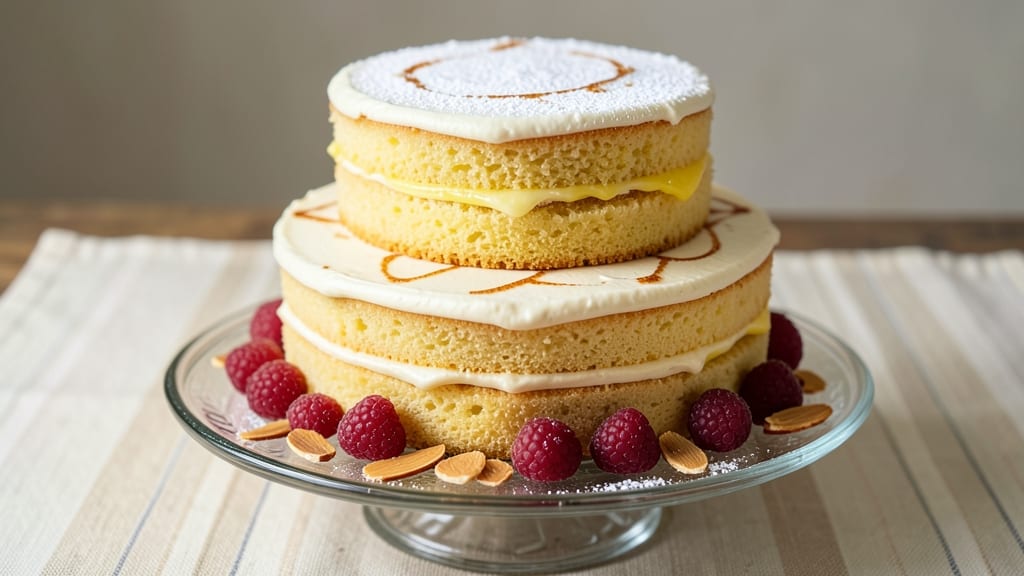
This 2-egg butter cake recipe delivers the perfect balance of crisp edges and tender crumb—all with just two eggs and rich, velvety butter.
The secret lies in proper mixing and precise baking, transforming simple ingredients into a cake that’s light yet sturdy, with a delicate crunch that disappears with every bite. I’ve baked this recipe countless times, and it never fails to impress, even with minimal equipment.
The beauty of this recipe is its simplicity: two eggs create structure without heaviness, while butter—the star ingredient—adds moisture and that signature crispness. No fancy techniques are needed; just a bowl, a whisk, and a hot oven.
The cake bakes up golden and inviting, with a texture that’s neither too dense nor too delicate, making it ideal for beginners and seasoned bakers alike.
What makes this butter cake truly special is its versatility—add a splash of vanilla, a hint of citrus zest, or a handful of chocolate chips for customization.
The result is a cake that’s light enough to enjoy on its own but rich enough to stand up to frosting or fruit. Whether you’re serving it at a gathering or treating yourself to a simple dessert, this recipe delivers every time.
Ready in just 45 minutes, this cake is perfect for weeknight cravings or special occasions. The key is patience—letting the batter rest and baking at the right temperature ensures a flawless finish. Here’s how to achieve that signature crispness and tender crumb without fail.
Ingredients for 2 egg butter cake
Simple ingredients, precise technique—this 2-egg butter cake delivers restaurant-quality texture.
| Ingredient | Amount | Notes |
|---|---|---|
| Unsalted Butter 🧈 | 1 cup | Cold, cubed for even baking |
| Large Eggs 🥚 | 2 whole | Room temperature for best mixing |
| All-Purpose Flour 🌾 | 1 ½ cups | Sifted for light texture |
| Granulated Sugar 🍚 | 1 cup | White or light brown |
| Baking Powder 🧂 | 1 ½ tsp | Aluminum-free preferred |
| Salt 🧂 | ½ tsp | Fine sea salt |
| Vanilla Extract 🌿 | 1 tsp | Pure alcohol-free if preferred |
| Milk 🥛 | ½ cup | Whole milk for richness |
| Vegetable Oil 🫒 | ¼ cup | Light, like canola |
The butter is non-negotiable here. European-style or Land O'Lakes work best for that rich, velvety crumb. Grab it from the dairy case, not the baking aisle—those pre-whipped tubs won't cut it. For the eggs, room temperature is key; cold eggs create dense cakes. I always crack mine into a separate bowl first to avoid shells in the batter. The flour? King Arthur or Gold Medal are my go-tos—they're sifted and consistent, which matters for that light-as-air texture. If you're using a different brand, give it a quick sift through a fine-mesh strainer to break up any lumps.
No vanilla extract? Vanilla bean paste works beautifully, or vanilla sugar at double the amount. Short on milk? Heavy cream or buttermilk both add richness, though buttermilk will make the cake slightly tangier. The oil is there to keep things tender—don't skip it. For a citrus twist, swap half the milk for lemon juice or orange juice. The baking powder must be fresh; if it's more than six months old, test it first by mixing with water—it should bubble vigorously. No bubbles? Time for a new canister. The sugar can be swapped for powdered sugar if you prefer a finer crumb, though granulated gives that classic texture.
Store the cake in an airtight container at room temperature for up to 3 days, or freeze for up to 3 months. Wrap individual slices in parchment paper for easy transport. The butter cake reheats beautifully—just 10 seconds in the microwave brings back that fresh-from-oven crispness. For extra flavor, brush warm slices with melted butter or drizzle with simple syrup. The secret to keeping it moist? Don't overbake—pull it when the edges are golden and a toothpick comes out with a few moist crumbs, not wet batter.
Why You'll Love This Recipe
- Minimal Ingredient List: I swear by this recipe because it’s built on just five things—no weird substitutions or forgotten pantry items. Butter, eggs, flour, sugar, and baking powder? That’s it. If you’ve got a kitchen, you’ve got this.
- Rich Butter Love: The secret’s in the butter. Two eggs and a full stick of unsalted butter create that melt-in-your-mouth crumb—no dry, crumbly cake here. Honestly, the first bite makes me forget it’s only two eggs.
- Weeknight or Brunch Star: This cake bakes in under 30 minutes, so it’s my go-to for lazy mornings or when I need dessert fast. Slice it warm, or save slices for toast the next day—either way, it’s foolproof.
- Budget-Friendly Indulgence: Two eggs and a single stick of butter stretch further than you’d think. I’ve made this for potlucks, birthday surprises, and even packed it for lunch—no guilt, all flavor. (Yes, even on a Tuesday night.)
Step-by-step instructions for light butter cake
Master this classic technique for a tender crumb and golden crust using just two eggs.
Cream Butter and Sugar for Maximum Lightness
In a stand mixer fitted with the paddle attachment, beat the 1 cup unsalted butter and 1 cup granulated sugar on medium speed for 3-4 minutes. The mixture should become pale and fluffy, nearly doubling in volume. This step incorporates air, which creates the cake's signature light texture.
I press down on the butter occasionally to ensure it's fully incorporated—this prevents pockets of unmixed fat that can lead to dense cake. The butter should be soft but not melted; if it starts to look too warm, switch to low speed until it cools slightly. This careful creaming is what makes the difference between a heavy cake and one that's light as air.
Add Eggs and Vanilla for Richness
Add the 2 whole large eggs, one at a time, mixing on low speed after each addition until fully combined. Then add the 1 teaspoon vanilla extract and mix for another 10 seconds. The eggs should be fully incorporated, with no streaks of white remaining.
I always use room-temperature eggs for this recipe—they blend more smoothly and create a lighter batter. If your eggs are cold, let them sit at room temperature for 15-20 minutes before using. The vanilla extract should be pure, not imitation, for the best flavor. This step builds the cake's foundation, so don't rush it—properly emulsified eggs create a more stable batter that rises evenly.
Alternate Dry and Wet Ingredients
With the mixer on low speed, add one-third of the 1.5 cups all-purpose flour and mix just until combined. Then add half of the 0.5 cup milk and mix again. Repeat this process, alternating between the remaining flour and the remaining milk, ending with the last of the flour.
This alternating method prevents gluten development and ensures even distribution of ingredients. I sift the flour first to remove lumps, which helps create a finer crumb. The batter should be smooth but slightly thick—if it looks too thin, the cake may spread too much in the oven. If it's too thick, add 1-2 tablespoons of milk to loosen it slightly.
Fold in Vegetable Oil for Moisture
Remove the bowl from the mixer and gently fold in the 0.25 cup vegetable oil using a silicone spatula. This step ensures even distribution of the oil, which adds moisture and tenderness to the cake. Be careful not to overmix—just combine until the oil is fully incorporated and no streaks remain.
The oil helps create a fine crumb and prevents the cake from drying out. I like to scrape the sides of the bowl with the spatula to ensure everything is well combined. The batter should now be smooth, slightly thick, and ready for the oven. If you notice any lumps, gently fold them out—they'll disappear as you mix the batter further.
Bake for Perfect Crispness and Even Rise
Preheat your oven to 350°F and grease an 8-inch round cake pan or line it with parchment paper. Pour the batter into the prepared pan and smooth the top with a spatula. Bake for 30-35 minutes, or until a toothpick inserted into the center comes out clean.
I like to check the cake at the 25-minute mark—if the edges are golden brown but the center still jiggles slightly, that's your cue to let it bake a few more minutes. The cake should spring back when gently pressed in the center, indicating it's fully set. Overbaking can dry out the cake, so keep an eye on it during the last few minutes of baking. Once done, let the cake cool in the pan for 10 minutes before transferring it to a wire rack to cool completely.
Pro Tips For Making 2 Egg Butter Cake
- Melt Butter Slowly: If you dump cold butter straight into the eggs and sugar, you’ll end up with a greasy mess instead of a smooth batter. Warm the butter to 110°F (43°C) first—just enough to soften it like a warm caress, not melt it completely. This keeps the cake tender without making it dense.
- Whisk Eggs Until Ribbon Stage: Don’t just crack and stir the eggs—whisk them until they form a thick ribbon when the whisk is lifted. This ensures even leavening and a lighter texture. I used to rush this, and the cake always came out slightly flat. (Yes, even if you’re impatient like me.)
- Sift Dry Ingredients Together: Measure flour, sugar, and baking powder separately, then sift them directly into your mixing bowl. This prevents lumps and guarantees even distribution of the leavening agent. Skipping this step is how you end up with a cake that collapses in the middle.
- Use Room-Temp Eggs: Cold eggs from the fridge can curdle when mixed with warm butter, leaving streaks in your batter. Let them sit in warm water for 5 minutes before cracking—just enough to bring them to body temperature. Your future self will thank you for this tiny effort.
Creative variations of this 2 egg butter cake
Citrus Twist Variation
Brighten up your butter cake by adding 1 tablespoon lemon or orange zest to the batter along with the vanilla. The citrus zest infuses a subtle, refreshing flavor that pairs beautifully with the richness of the butter.
I find that lemon zest adds a bright tang, while orange zest brings a slightly sweeter note. For extra zing, replace 2 tablespoons of milk with fresh lemon juice. 🍊
Chocolate Chip Swirl
Turn your cake into a decadent treat by folding in ½ cup chocolate chips (I love Ghirardelli semi-sweet) after mixing the wet ingredients. For a marbled effect, divide the batter into two bowls, add ¼ cup melted chocolate to one, then swirl the two batters together before baking.
This creates pockets of gooey chocolate throughout the cake. For a nutty twist, add ½ cup chopped walnuts or pecans as well.
Spiced Chai Version
Warm up your cake with a chai-inspired twist by adding 1 teaspoon ground cinnamon, ½ teaspoon ground cardamom, and ¼ teaspoon ground ginger to the dry ingredients. For extra warmth, steep 1 chai tea bag in the ½ cup milk before using it in the batter.
This creates a fragrant, aromatic cake that's perfect with a cup of hot chai tea. 🌿
Coconut Macaroon Fusion
For a tropical twist, replace ½ cup of the all-purpose flour with ½ cup fine shredded coconut (unsweetened) and add 1 tablespoon coconut extract. This creates a moist, slightly chewy cake with a hint of coconut flavor.
I like to toast the coconut in a dry pan for 2-3 minutes before adding it to the batter for extra aroma. Serve with a drizzle of melted coconut butter for a decadent finish.
Almond Flour Adaptation
For a gluten-free option, replace ½ cup of the all-purpose flour with ½ cup almond flour and reduce the milk to ¼ cup. This creates a denser, more moist cake with a nutty flavor. I recommend using Bob's Red Mill almond flour for the best texture.
For extra richness, add 1 tablespoon almond extract to the batter. This version is perfect for those with gluten sensitivities or nut allergies (if using nut-free almond flour).
Boozy Berry Compote
Take your cake to the next level by topping it with a berry compote infused with 1 tablespoon bourbon or rum. Simmer 1 cup mixed berries (fresh or frozen) with 2 tablespoons sugar and the boozy addition for 10 minutes until thickened.
Spread the warm compote over the cooled cake for a burst of fruity flavor that complements the buttery richness. This works especially well with the citrus twist variation. 🍇
Nutrition facts
Frequently asked questions
Why does this recipe use only 2 eggs?
Two eggs create the perfect balance of structure and lightness in this butter cake. The eggs provide enough protein to hold the cake together while keeping it tender rather than dense. This recipe is designed to be simple yet impressive, and fewer eggs mean less fat—ideal for a lighter dessert that still stays moist.
Can I make this cake without a mixer? Use a sturdy bowl and a hand mixer or even a whisk. For the butter and sugar, beat them vigorously for 5-7 minutes until pale and fluffy. The key is patience—this extra effort creates the same airy texture. Just
What's the secret to getting crisp edges?
The crisp edges come from proper baking technique. Preheat your oven to 350°F and bake the cake until the edges are golden brown (about 30-35 minutes). Don't overbake—pull it when the center springs back gently. For extra crispness, brush the warm cake with melted butter after baking.
How do I store leftovers?
Store the cake in an airtight container at room temperature for up to 3 days. For longer storage, freeze slices wrapped in plastic wrap for up to 3 months. To revive stale slices, warm them in the oven at 300°F for 5-10 minutes or microwave for 10 seconds.
Can I substitute butter with oil?
Not recommended for this recipe. Butter provides both flavor and moisture that oil can't replicate. If you must substitute, use ¾ cup melted butter (or oil) plus ¼ cup milk to maintain moisture. However, the texture and taste will differ slightly from the classic butter version.