
Main Courses
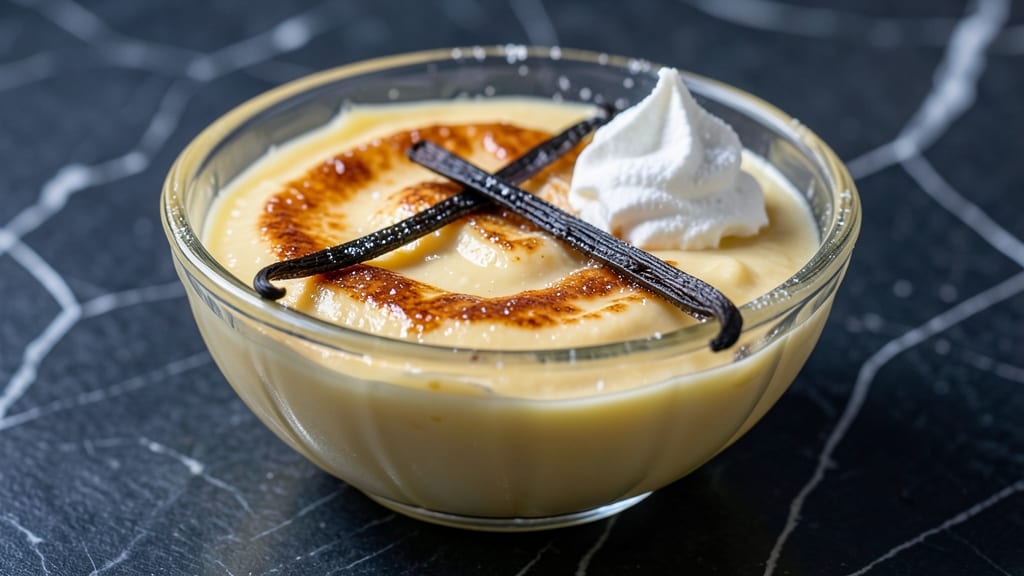
Twelve egg yolks transform into the heart of this silky custard recipe—where precision meets indulgence for a dish that balances creamy texture with delicate flavors. The key lies in temperature control and patience, ensuring each ribbon of custard sets perfectly without breaking. This technique delivers restaurant-quality results at home, whether you're making classic crème brûlée or a savory broth variation.
What sets this custard apart is the bain-marie method, where gentle heat cooks the yolks slowly to achieve that signature velvety consistency. No shortcuts here—this requires attention, but the reward is a custard so smooth it practically melts on your tongue.
The 12 yolks create a rich, luxurious base that pairs beautifully with vanilla, citrus zest, or even a touch of caramel for depth.
Once mastered, this custard becomes a versatile canvas—serve it as a dessert with a torched sugar crust, swirl it into a savory broth for elegance, or layer it in pastries for a professional finish.
The secret to success? Precise timing and a water bath that maintains even heat throughout the cooking process.
Storage is simple: refrigerate for up to 5 days, or freeze for longer shelf life. When ready to serve, bring to room temperature for the best texture. This recipe isn’t just about technique—it’s about creating something so refined it feels like a culinary masterpiece.
Ingredients for 12 egg yolk custard
Twelve egg yolks and precise technique create restaurant-quality custard for savory broth or elegant desserts.
| Ingredient | Amount | Notes |
|---|---|---|
| Large Egg Yolks 🥚 | 12 whole | Fresh, room temperature preferred |
| Granulated Sugar 🍚 | ¾ cup | Superfine preferred for smooth texture |
| Whole Milk 🥛 | 2 cups | Full-fat for optimal creaminess |
| Vanilla Bean 🌿 | 1 whole | Scraped seeds only, pod discarded |
| Unsalted Butter 🧈 | ½ cup | Cold, cubed for even melting |
| Heavy Cream 🥛 | 1 cup | 35% fat minimum for stability |
| Lemon Zest 🍋 | 1 tbsp | Only zest, no pith |
| Salt 🧂 | ¼ tsp | Fine sea salt for balance |
| Vegetable Stock 💧 | 1 cup | Homemade or high-quality store-bought |
| Cornstarch 🌾 | 1 tsp | For thickening savory variation |
| White Wine 🍷 | ¼ cup | Dry, chilled for savory broth |
The egg yolks are the foundation—room temperature ensures even cooking and prevents curdling. Pasture-raised yolks from specialty grocers like Whole Foods or local farmers' markets deliver superior flavor and texture. For the vanilla, Madagascar bourbon beans add depth, but any high-quality vanilla works. The sugar must be superfine or finely ground—regular granulated can create graininess. Store your yolks in the fridge until ready to use, and bring them to room temperature before measuring to avoid temperature shock during cooking.
No vanilla bean? Pure vanilla extract at half the amount works in a pinch, though the seeds add complexity. Substitute heavy cream with full-fat coconut milk for a dairy-free option, but texture will differ slightly. For a savory variation, replace the vanilla and lemon zest with 1 tsp dried thyme and 1 bay leaf. The vegetable stock should be low-sodium—adjust seasoning after cooking. If you prefer a richer custard, add 1 extra tbsp butter at the end for a velvety finish. Always whisk ingredients thoroughly to prevent lumps, and strain the final custard for ultra-smooth results.
This custard keeps beautifully—5 days refrigerated or 3 months frozen in airtight containers. For freezing, portion into individual ramekins before sealing to maintain shape. When reheating, warm gently in a bain-marie to preserve texture. The savory variation pairs perfectly with roasted vegetables, while the classic dessert version shines with a torched sugar crust. For a restaurant-worthy presentation, chill completely before serving, and garnish with a sprinkle of zest or edible flowers.
Why You'll Love This Recipe
- No Whisk Wars: I swear by this method—just yolks, sugar, and milk on the stove. No blender, no overmixing, just a gentle hand and patience. The custard comes together smoother than my attempts at folding meringue.
- Vanilla-Packed Luxury: That split vanilla bean? Worth every scrape. The custard develops this deep, floral sweetness that’s richer than store-bought pudding. Honestly, it’s the kind of flavor that makes me forget I’m making dessert.
- Make-Ahead Magic: I always double the batch. It thickens beautifully overnight, then reheats like a dream—silky, never grainy. Perfect for lazy mornings or when I need to impress guests without last-minute stress.
- Budget Decadence: Egg yolks and whole milk are cheap, but this tastes like a fancy patisserie. I’ll be real: I’ve spent $20 on custards at cafés that didn’t hit this. Twelve yolks stretch far, and the butter adds that velvety finish without breaking the bank.
Step-by-step instructions for silky ribbons in savory broth
Master this technique and you'll transform simple ingredients into elegant custard ribbons perfect for gourmet presentations.
Infuse the Broth with Aromatics
In a medium saucepan, combine the 1 cup vegetable stock and 0.25 cup chilled white wine. Bring to a gentle simmer over medium heat until the wine has evaporated completely and the stock reduces by about 25%. The aroma should be clean and focused—no alcohol should remain.
While the broth simmers, scrape the seeds from the 1 whole vanilla bean using the tip of a knife. Add the vanilla seeds and 1 tablespoon lemon zest to the pan. Simmer for an additional 3 minutes to infuse the flavors. Strain the broth through a fine-mesh sieve into a clean bowl, pressing gently on the solids to extract maximum flavor. Discard the vanilla pod and lemon zest.
Temper the Egg Yolks
Place the 12 whole large egg yolks in a heatproof bowl. Slowly whisk in 0.75 cup granulated sugar until completely dissolved. This creates a smooth base that will later transform into silky ribbons.
To temper the yolks, gradually whisk in the warm infused broth 1 tablespoon at a time while continuously stirring. The goal is to bring the egg mixture up to 160°F without scrambling. You'll see the mixture thicken slightly as it warms—this indicates proper tempering. Once fully incorporated, strain the mixture through a fine-mesh sieve into a clean bowl to remove any potential lumps.
Cook the Custard to Perfect Texture
Return the strained egg mixture to the saucepan and place over low heat. Stir constantly with a silicone spatula, using gentle figure-eight motions to prevent any eggs from sticking to the bottom. The custard will begin to thicken as it reaches 170-175°F—this is your target temperature for silky ribbons.
Here's where precision matters: the custard should coat the back of a spoon but still flow smoothly when tilted. Remove from heat immediately when it reaches this stage—overcooking will make the ribbons tough. Transfer to a bowl and cover the surface with plastic wrap pressed directly onto the custard to prevent a skin from forming.
Finish with Cream and Butter
In a separate saucepan, gently heat the 2 cups whole milk and 1 cup heavy cream over low heat until steaming but not boiling. Remove from heat and whisk in the 0.5 cup cold cubed unsalted butter until completely melted and smooth.
Slowly pour the warm milk-cream mixture into the cooled custard while whisking continuously. This gradual incorporation creates the signature velvety texture. Add the 1 teaspoon cornstarch and 0.25 teaspoon salt, whisking until fully combined. The mixture should be perfectly smooth with a luxurious sheen.
Form and Chill the Ribbons
Transfer the finished custard to a piping bag fitted with a ¼-inch round tip. Pipe 4-inch long ribbons onto a parchment-lined baking sheet, spacing them about 1 inch apart. For a savory variation, you can brush each ribbon lightly with additional infused broth before chilling.
Refrigerate the ribbons for at least 4 hours or until completely set. They should hold their shape when gently lifted with a spatula. Serve over the infused broth or alongside complementary dishes like roasted vegetables or grilled fish. The contrast of cool custard against warm broth creates an unforgettable dining experience.
Pro Tips For Making 12 Egg Yolk Custard
- Whisk Yolks Until Pale: The moment you add the hot milk to the yolks, stop stirring immediately—they’ll thicken on their own. I used to overwork them, and the custard turned grainy. Let the heat do the work; just give it 30 seconds of gentle swirling to combine, then walk away.
- Scrape the Vanilla Bean: Don’t just drop in the pod—split it lengthwise, scrape out every last bit of those tiny black seeds with a knife. I skipped this once and the custard tasted flat, like I’d forgotten the vanilla entirely. Those seeds are where the magic hides.
- Strain Twice for Smoothness: After cooking, strain the custard through a fine-mesh sieve twice—once into a bowl, then again into your final container. The first pass catches lumps, but the second removes those sneaky microscopic bits that make it look cloudy. Trust me, your custard will thank you later.
- Cool in an Ice Bath: Pour the custard into a shallow dish and set it in a larger bowl filled with ice water. Stir occasionally until it’s just warm to the touch—this stops the cooking process dead and prevents that dreaded scrambled-egg texture. I learned this the hard way after a batch turned into a sad, lumpy mess.
Perfect pairings for this dish
Savory Broth Pairings
This custard shines when served over a warm, aromatic broth—think chicken consommé or mushroom-infused stock—to create a luxurious contrast. I love pairing it with a lightly browned shallot and thyme broth, reduced to a syrupy consistency.
For extra depth, add a splash of dry vermouth to the broth before serving. The custard ribbons will melt beautifully into the warmth, creating an elegant first course. 🍷
Dessert Variations
For a sweet twist, serve the custard ribbons with a vanilla bean crème anglaise drizzle and fresh raspberries. The tartness of the berries cuts through the richness, while the custard’s silkiness balances the acidity.
I also recommend a caramelized pear compote for a sophisticated autumnal dessert. The custard’s natural sweetness pairs perfectly with the fruit’s soft texture. 🍓
Cheese Course Elegance
Transform this custard into a cheese course showstopper by pairing it with aged Gruyère or Comté. The custard’s creaminess complements the nutty, crystalline texture of the cheese.
Arrange the ribbons on a slate board with honeycomb drizzle and toasted hazelnuts for crunch. The contrast of temperatures—cool custard, room-temperature cheese—creates a memorable bite. 🧀
Wine & Beverage Match
A chilled Sauvignon Blanc with citrus notes enhances the custard’s vanilla and lemon zest flavors. For a richer pairing, try a dry Riesling—its acidity cleanses the palate between bites.
If serving the savory version, a crisp Chablis or light Pinot Noir balances the dish’s depth. Avoid heavy reds; they’ll overpower the delicate custard. 🍷
Garnish Ideas
Elevate your presentation with edible flowers like nasturtiums or violets for a pop of color. A sprinkle of toasted sesame seeds adds texture to the savory version, while crushed pistachios bring nutty warmth to desserts.
For a final touch, drizzle with infused honey (vanilla or lavender) to tie all flavors together. 🌸
Make-Ahead Tips
Prepare the custard ribbons 2 days ahead and store them in an airtight container in the fridge. Reheat the broth separately and assemble just before serving to maintain the custard’s silky texture.
For the savory version, pre-chill the ribbons on a tray to set faster, then transfer to storage. This ensures a restaurant-quality presentation with minimal last-minute effort. ⏰
Nutrition facts
Frequently asked questions
Why use 12 egg yolks instead of whole eggs?
The yolks create a richer, creamier texture without adding the liquid from egg whites, which can dilute the custard. Twelve yolks provide enough fat and protein for a luxurious, velvety consistency that's impossible with whites. Plus, they develop a deeper golden color when cooked properly.
Can I make this custard without a vanilla bean?
Yes! Use 1 teaspoon pure vanilla extract instead, but reduce to half the amount since extract is more concentrated. For depth, add a pinch of ground cinnamon or cardamom—both complement custard beautifully. The flavor won't be identical, but it'll still taste delicious.
How do I fix curdled custard?
If your custard curdles, immediately remove it from heat and whisk in 1 tablespoon cold heavy cream or 1 tablespoon cold butter to smooth it out. For stubborn curdling, strain through a fine-mesh sieve to remove lumps. Prevention is key—always temper eggs with warm liquid and avoid high heat.
What's the best way to store leftover custard?
Transfer to an airtight container and refrigerate for up to 5 days. For longer storage, freeze in portions—it keeps quality for 3 months. Thaw overnight in the fridge, then gently reheat in a bain-marie to preserve texture. Never refreeze once thawed.
Can I make this custard in a microwave?
Not recommended for perfect results—the microwave cooks unevenly and risks curdling. For a quick version, use a double boiler instead: place your mixing bowl over a pot of simmering water and stir constantly until thickened to 170°F. The stovetop method gives you better control over temperature.