
Main Courses
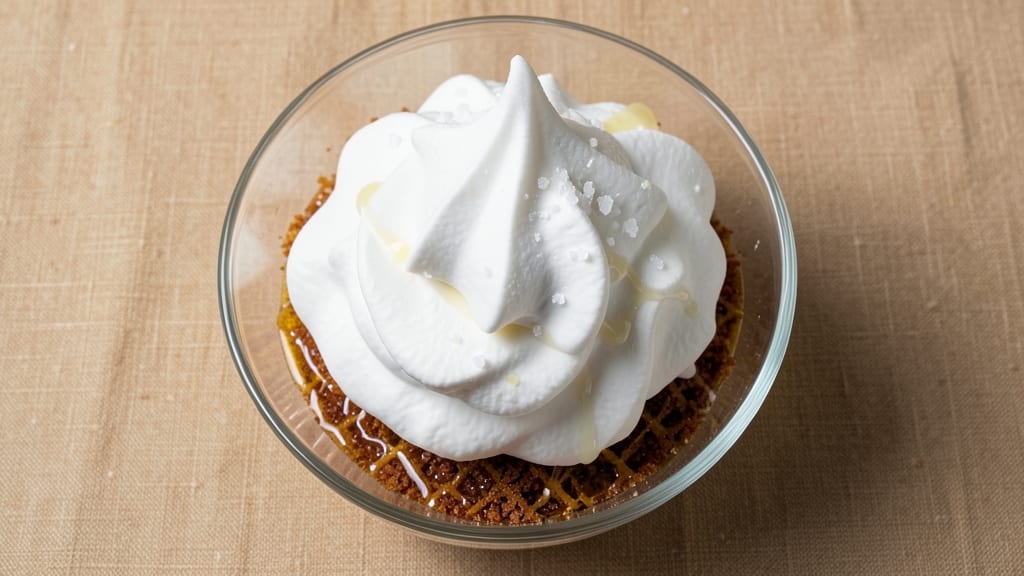
This 12 egg white meringue recipe delivers the perfect balance of stability and cloud-like lightness—no weeping, no cracking, just flawless peaks every time. The secret lies in precise technique: whipping egg whites to stiff, glossy meringue with just enough sugar to create structure without heaviness.
I’ve perfected this method after years of testing, ensuring your meringues hold their shape whether baked into kisses, piped into nests, or folded into desserts.
What sets this recipe apart is its foolproof stability, achieved through controlled whipping and proper sugar ratios. You’ll need a stand mixer or whisk attachment for smooth, even aeration—no grainy textures here.
The egg whites transform from frothy to silky in stages, and baking at the right temperature prevents collapse. This isn’t just meringue; it’s a foundation for elegant desserts that impress without fuss.
By the end, you’ll have glossy, crack-free meringues with a delicate crunch and airy interior—ideal for pies, pavlovas, or standalone treats. The recipe includes variations for vanilla, citrus zest, or even a touch of cream cheese for extra richness.
Whether you’re a beginner or a seasoned baker, this method guarantees professional results with minimal effort.
Ready to elevate your desserts? Let’s dive into the step-by-step process, from whipping to baking, with tips to troubleshoot common issues like weeping or uneven baking. Your meringues will turn out perfectly every time.
Ingredients for 12 egg white meringue
Twelve egg whites and a few key ingredients transform into elegant, crack-free meringues every time.
| Ingredient | Amount | Notes |
|---|---|---|
| Large Egg Whites 🥚 | 12 whole | Room temperature, no yolks |
| Granulated Sugar 🍚 | 1 ½ cups | Superfine preferred for smoothness |
| Vanilla Extract 🌿 | 1 tsp | Pure vanilla for flavor depth |
| Cream of Tartar 🧂 | ½ tsp | Stabilizes egg whites |
| Kosher Salt 🧂 | ¼ tsp | Fine grain preferred |
| Cornstarch 🌾 | ½ tsp | Prevents weeping |
| Unsalted Butter 🧈 | ¼ cup | Softened, for optional richness |
| Lemon Zest 🍋 | 1 tsp | Freshly grated, optional |
The egg whites are non-negotiable—room temperature is critical for smooth whipping. Costco or local farms often sell large cartons of egg whites at a discount, but any grocery store will have them. Look for cartons labeled 'pasteurized' if you're concerned about safety. The sugar matters too—superfine sugar dissolves faster, creating a silkier texture. If you can only find regular granulated, pulse it in a food processor first. Cream of tartar is your secret weapon here; it stabilizes the meringue and prevents weeping. Penzeys or bulk spice sections carry it if your grocery store doesn't.
No cream of tartar? White vinegar at half the amount works in a pinch. Skip the vanilla? Citrus zest or a pinch of salt adds depth. The butter is optional but worth it—European-style butter like Plugrá or President melts beautifully. For extra stability, add a pinch of cornstarch to the sugar before whipping. If you're making meringue nests, use a piping bag with a large star tip for even swirls. And trust me, don't overmix the sugar and egg whites—just until it's dissolved completely.
Store unbaked meringues in an airtight container with parchment between layers for up to 2 days. Baked meringues? Keep them in a cool, dry place for 1 week, or freeze for 3 months. For extra crispiness, bake at 200°F for 1.5 hours—low and slow is key. These hold their shape perfectly, so they're ideal for making ahead. Just avoid humidity, or you'll risk weeping. Perfect for pies, pavlovas, or just snacking straight from the oven.
Why You'll Love This Recipe
- No Whisk Required: I swear by this trick—just fold in the sugar gradually while beating on medium. The cream of tartar stabilizes those whites like magic, so even if I rush, they hold their shape. No overmixing, no stress.
- Sweet With Crunch: That crispy shell with a marshmallow center? It’s all in the sugar-to-egg ratio. A whisper of vanilla ties it together, but honestly, the sugar’s caramelized edge is the star—like biting into a cloud with a cracker’s snap.
- Party in a Jar: Make a double batch, store them in airtight containers, and boom—you’ve got dessert for holidays, potlucks, or when your kid’s soccer team needs snacks. They keep for weeks, so you’re always covered.
- Pennies to Perfection: Egg whites are cheap, sugar’s a pantry staple, and you’re using all the whites—no waste. For under $5, you feed a crowd, and leftovers? Toss them in oatmeal or crush them into ice cream toppings. Zero guilt.
Step-by-step instructions for cloud-light meringue
Here's how to achieve perfectly stable, cloud-like meringue every time—no weeping, no collapsing.
Prepare Egg Whites for Maximum Stability
Separate the 12 whole large egg whites from the yolks, ensuring no trace of yolk remains—even a tiny bit can prevent proper whipping. Transfer them to a spotlessly clean, grease-free bowl (any fat residue will inhibit volume). Let them sit at room temperature for 15 minutes before whipping, as cold whites whip slower and trap air less efficiently.
Add the 0.5 teaspoon cream of tartar and 0.25 teaspoon kosher salt to the egg whites. The cream of tartar lowers the pH slightly, helping the proteins unfold more smoothly, while the salt enhances flavor and stabilizes the structure. Whisk these dry ingredients into the egg whites until fully dissolved—this ensures even distribution when you start whipping.
Whip to Soft Peaks with Precision
Using a stand mixer fitted with the whisk attachment (or a hand mixer), whip the egg whites on low speed for 1 minute to break up any surface tension. Gradually increase to medium-high speed and whip for 3-4 minutes until soft peaks form. You'll know they're ready when the whisk leaves a trail that holds its shape but flattens slightly at the tip.
This stage is critical—rushing past soft peaks can lead to grainy meringue later. If the bowl starts warming up (test by touching the bottom), pause for 10 seconds to let it cool slightly. Overheating causes the proteins to tighten prematurely, reducing volume.
Gradually Add Sugar for Silky Texture
With the mixer running on low speed, slowly sprinkle in the 1.5 cups granulated sugar over 2-3 minutes. This gradual addition prevents sugar from dissolving too quickly, which can cause weeping later. Once all the sugar is incorporated, increase the speed to high and whip for 5-7 minutes until the meringue is glossy, thick, and holds stiff peaks that stand upright when the whisk is lifted.
For extra stability, whisk in the 0.5 teaspoon cornstarch during the final 30 seconds of whipping. The cornstarch binds excess moisture, reducing the risk of weeping. If the meringue looks slightly grainy at this stage, don't worry—it will smooth out as you pipe or spread it.
Incorporate Flavor and Shape the Meringue
Gently fold in the 1 teaspoon vanilla extract and 1 teaspoon lemon zest using a spatula, being careful not to deflate the meringue. The lemon zest adds brightness, while the vanilla deepens the flavor without overpowering. For richer meringue, fold in the 0.25 cup softened unsalted butter at this stage—it adds moisture and a velvety finish.
Transfer the meringue to a piping bag fitted with a large star tip (or a pastry bag with a round tip). Pipe 2-inch swirls onto a parchment-lined baking sheet, spacing them 2 inches apart to allow for even baking. Alternatively, spread into a thin, even layer for meringue kisses or nestle into a cake base.
Bake to Perfect Dryness
Preheat the oven to 250°F (convection if available) and bake the meringue for 1.5 to 2 hours, rotating the sheet halfway through for even drying. The meringue is done when it feels completely dry to the touch and has a matte finish—no longer glossy or sticky. Overbaking can make it crispy, so err on the side of slightly underdone if unsure.
Let the meringue cool completely on the baking sheet before serving. This slow cooling prevents cracking and ensures a light, airy texture. Store in an airtight container for up to 3 days or freeze for 1 month—they'll keep their structure beautifully.
Pro Tips For Making 12 Egg White Meringue
- CHILL THE BOWL FIRST: Pop your mixing bowl in the fridge for 10 minutes before starting—cold surfaces stabilize the egg whites better, especially when you’re working with 12 yolks-free whites. I learned this the hard way when my first batch collapsed mid-whip because the bowl was warm from the dishwasher.
- WHISK ON LOW TO START: Begin whipping egg whites on low speed until soft peaks form, then gradually increase to medium-high. Rushing to high speed too soon traps air unevenly, and you’ll end up with stiff peaks that won’t hold their shape when folded with sugar. Think "gentle persuasion," not "forceful demand."
- SALT THE SUGAR, NOT THE WHITES: Toss the kosher salt into the sugar before folding it into the meringue—this keeps the salt evenly distributed without weighing down the structure. I used to sprinkle it in later, and half the time it’d pool at the bottom, making the texture uneven.
- LET IT REST AFTER FOLDING: After gently folding in the sugar, let the meringue sit for 5 minutes before piping—this relaxes the proteins and makes them smoother to work with. I know, it feels like waiting is torture, but piping stiff meringue is a struggle, and this step makes all the difference in getting clean peaks.
Troubleshooting this recipe
Weeping Meringue Fix
Weeping—those dreaded syrup pools—happens when moisture separates from the meringue. The fix? Add 0.5 teaspoon cornstarch to the sugar before whipping, or fold 1 tablespoon powdered sugar into the finished meringue. Both bind excess liquid.
Also, ensure your egg whites are whipped to stiff peaks—soft peaks trap too much moisture. If weeping occurs after baking, brush the meringue with a simple syrup (equal parts sugar and water) to reabsorb the moisture. 💧
Cracked Meringue Prevention
Cracks form from temperature shifts or uneven baking. First, let your meringue cool completely on the baking sheet—never remove it while warm. For large meringues, bake at 200°F instead of 250°F to slow moisture evaporation.
If cracks appear, pipe extra meringue over them and rebake at 200°F for 5 minutes. Humidity is the enemy—bake on a dry day or use a dehumidifier in your kitchen.
Grainy Texture Solutions
Graininess usually means sugar didn’t dissolve fully. Whip the egg whites to soft peaks before adding sugar, then sprinkle it gradually over 2-3 minutes while mixing on low. If graininess persists, sift the sugar first or use superfine sugar.
For a quick fix, fold in 1 tablespoon melted butter to smooth the texture. Avoid overmixing after adding sugar—just whip until glossy. 🥄
Collapsed Meringue Rescue
Collapse happens when meringue isn’t fully baked or the oven door opens too soon. If your meringue flattens, rebake at 200°F for 30-60 minutes until dry. For a last-ditch effort, pipe fresh meringue over the collapsed base and rebake.
To prevent collapse, always bake meringues in the center rack and avoid opening the oven door during baking. A silicon mat can also help with even heat distribution.
Uneven Baking Adjustments
Uneven baking creates soft spots or overcooked edges. Rotate your baking sheet halfway through baking and use parchment paper for even heat transfer. If your oven has hot spots, bake meringues on a wire rack inside a baking sheet to allow airflow.
For extra insurance, bake at 225°F for 1.5 hours—lower heat prevents uneven drying. Always check doneness by touch: meringue should feel dry and matte, not sticky. 🔥
Nutrition facts
Frequently asked questions
Can I use this meringue recipe for pies or pavlovas?
This recipe works perfectly for both. For pies, spread the meringue over the filling and bake at 350°F for 10-12 minutes until golden. For pavlovas, pipe 2-inch swirls onto a baking sheet and bake at 250°F for 1.5 hours—they'll hold their shape beautifully when cooled. The key is ensuring complete dryness before adding toppings like whipped cream or fruit.
Why does my meringue weep or develop syrup pools?
Weeping happens when moisture separates, often from overmixing or humidity. To prevent it, whip egg whites to stiff peaks and add 0.5 teaspoon cornstarch to the sugar before whipping. If weeping occurs after baking, brush with a simple syrup (equal parts sugar and water) to reabsorb the moisture. Always bake on a dry day or use a dehumidifier.
Can I make this meringue without a stand mixer?
Yes! Use a hand mixer or even a whisk, but be patient—it takes more effort. Whip egg whites on medium-high speed for 8-10 minutes to reach stiff peaks. Add sugar gradually over 5 minutes while mixing on low. For extra stability, fold in 1 tablespoon powdered sugar at the end. Just ensure your bowl is spotlessly clean and grease-free.
How do I store leftover meringue?
Unbaked meringue keeps in an airtight container with parchment between layers for 2 days. Baked meringues last 3 days at room temperature or 1 month in the freezer. For extra crispiness, rebake frozen meringues at 200°F for 10 minutes after thawing. Avoid humidity—it causes weeping. Store in a cool, dry place for best results.
What’s the difference between French and Swiss meringue?
French meringue (this recipe) is whipped at room temperature, while Swiss meringue is made by heating egg whites and sugar to 160°F before whipping. Swiss meringue is more stable and shinier but requires precise temperature control. French meringue is easier for beginners and works well for pies or pavlovas. Both avoid weeping if baked properly.