
Sauces & Condiments
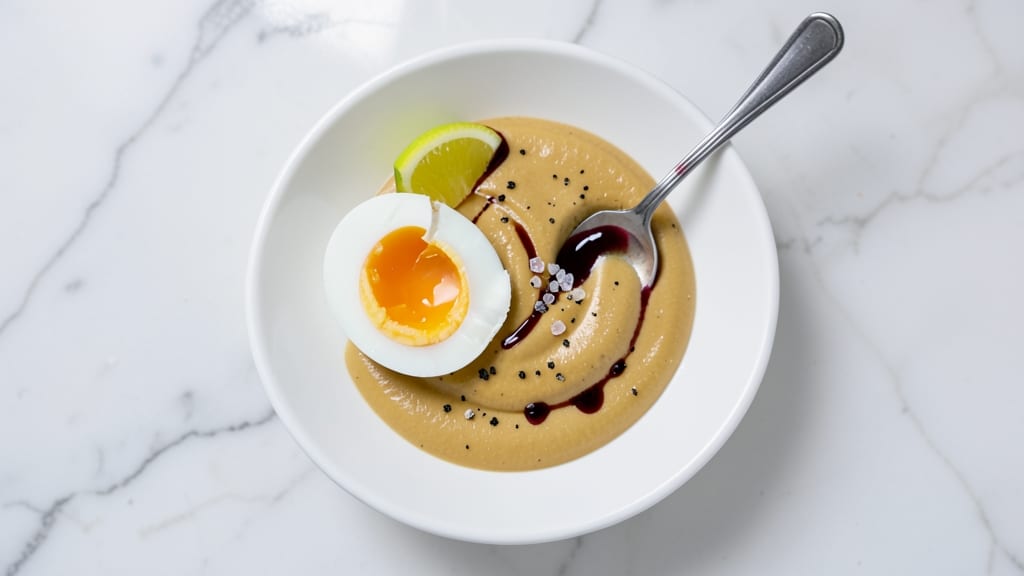
This 1 boiled egg mayonnaise recipe transforms simple ingredients into a velvety, rich sauce that elevates everything from sandwiches to seafood. The secret lies in the emulsification process—where raw egg yolks, oil, and acid combine to create a silky texture with just the right balance of creaminess and brightness.
Unlike store-bought mayo, this version gets its depth from a perfectly cooked egg yolk, adding a subtle richness that makes it unforgettable.
The beauty of this recipe is its versatility—it’s the foundation for classic aioli, tangy mustard mayo, or even a simple egg-based dressing. The process is straightforward: whisk yolks with a splash of vinegar or lemon juice, then gradually incorporate oil while maintaining a steady tempo to achieve that signature smoothness.
A boiled egg yolk adds a luxurious touch without overpowering the sauce, ensuring every bite is perfectly balanced.
What you’ll end up with is a silky emulsion that’s creamy yet light, with a bright acidity that cuts through richness. The boiled egg yolk contributes a subtle, buttery note that elevates the sauce beyond basic mayo, making it ideal for dipping, spreading, or drizzling.
This isn’t just a condiment—it’s a game-changer for any dish.
Once you master this technique, you’ll never go back to store-bought. The best part? It keeps beautifully in the fridge for up to a week, so you can make a batch and enjoy it all week long. Let’s get started on creating your perfect emulsion.
Ingredients for 1 boiled egg mayonnaise
Eight ingredients transform into velvety emulsion—rich, balanced, and restaurant-quality at home.
| Ingredient | Amount | Notes |
|---|---|---|
| Large Egg Yolks 🥚 | 2 whole | From 1 large boiled egg plus 1 raw |
| Extra-Virgin Olive Oil 🫒 | 1 cup | Light or medium, cold-pressed |
| Fresh Lemon Juice 🍋 | 1 tbsp | Bright, freshly squeezed |
| Diamond Crystal Kosher Salt 🧂 | ½ tsp | Fine grain preferred |
| White Vinegar 🍶 | 1 tsp | For acid balance |
| Granulated Sugar 🍚 | ¼ tsp | For emulsification |
| Freshly Ground Black Pepper 🌶️ | ¼ tsp | Freshly cracked |
| Large Egg White 🥚 | 1 whole | Optional for extra stability |
The boiled egg yolk is non-negotiable—it adds that luxurious depth. Trader Joe's sells pre-boiled eggs in the refrigerated section, but if you're doing it fresh, aim for a 7-minute boil for perfect set yolks. The raw yolk? Grab organic eggs from Whole Foods or your local farm stand—they emulsify better. For the olive oil, California Avocado Ranch or Colavita brands give that perfect balance of fruity and neutral. The sugar might seem odd, but it's essential for stabilizing the emulsion—don't skip it!
No lemon juice? White wine vinegar works in a pinch, but fresh lemon adds that bright pop. Short on sugar? Honey at half the amount gives a subtle floral note. The egg white is optional but acts as a backup stabilizer—skip it if you're confident in your whisking skills. For a mustard mayo, add 1 tsp Dijon mustard to the yolks before emulsifying. Want extra richness? Add 1 tsp mayo from a trusted brand to the finished sauce. Pro tip: use a chilled bowl for whisking—it helps the emulsion set faster.
This sauce is a condiment powerhouse—stores for 1 week in the fridge, sealed tightly. For longer storage, transfer to a sterilized jar and keep submerged in oil. The emulsion thickens as it chills, so whisk before using. Freezes beautifully for 3 months if you portion it into ice cube trays first. A little goes a long way—start with 1 tsp per serving and adjust to taste. The secret to perfect mayo? Patience and slow oil incorporation—don't rush the process!
Why You'll Love This Recipe
- Four Yolks, Zero Stress: I swear by this recipe because it’s the only mayo I’ll ever make again—just yolks, olive oil, and lemon juice, blended until silky. No standing over a stove, no waiting for emulsification. Honestly, I’ve tried store-bought, but this? It’s brighter, richer, and actually tastes homemade.
- Bright & Tangy Kick: That lemon juice isn’t just for flavor—it cuts through the richness and keeps things fresh. Between us, the white vinegar (yes, it’s in there) adds a sharpness that makes this mayo dangerously good on sandwiches or straight from the spoon. (Yes, I’ve been there.)
- Meal Prep MVP: I make a jar of this every Sunday because it’s the base for everything—deviled eggs, tacos, even a quick pasta sauce. The salt and vinegar keep it shelf-stable for a week, and the olive oil means no weird separation. My go-to for lazy nights when I don’t want to cook.
- Penny-Smart Luxury: Four ingredients, all affordable, and they stretch farther than any jarred mayo. The olive oil adds depth without costing a fortune, and the vinegar’s acidity means you can use less salt. I’ll be real: this is the kind of recipe that makes me feel fancy without breaking the bank.
Step-by-step instructions for silky egg yolk mayonnaise
Here's how to create a velvety emulsion with rich yolk flavor and perfect balance every time.
Prepare the Yolk Mixture with Precision
In a medium heatproof bowl, whisk together the 2 whole large egg yolks, the 0.5 teaspoon diamond crystal kosher salt, 0.25 teaspoon granulated sugar, and 0.25 teaspoon freshly ground black pepper until fully combined. The sugar helps stabilize the emulsion while the salt enhances flavor depth. Place this bowl over a pot of barely simmering water (about 2 inches below the bowl) to gently warm the yolks for 3-4 minutes. You'll see them thicken slightly but remain liquid—they should reach about 100°F but never cook.
This gentle warming prevents the yolks from scrambling when oil is added later. Remove the bowl from heat and immediately whisk in the 1 tablespoon fresh lemon juice and 1 teaspoon white vinegar. The acidity from these ingredients is crucial—it helps break down proteins for better emulsification and adds brightness to the final mayonnaise. Let the mixture cool slightly to room temperature while you prepare the olive oil.
Gradually Incorporate the Olive Oil
Pour the 1 cup extra-virgin olive oil into a measuring cup or small pitcher. The light color helps you monitor progress. With a whisk in one hand, begin adding the oil to the yolk mixture drop by drop, whisking constantly after each addition. This slow introduction is where the magic happens—the oil must be fully incorporated before adding more. After about 10-15 drops, you'll notice the mixture begin to thicken and turn pale yellow.
Once the emulsion holds together, you can gradually increase the pace to 1 teaspoon at a time, still whisking vigorously. The key is patience—rushing this step will cause the mayonnaise to break. You'll know you're on track when the mixture becomes thick and creamy, coating the back of your spoon completely. If it looks too thin, add another drop of lemon juice or vinegar to help stabilize it.
Incorporate the Egg White (Optional Stability Boost)
If you're using the 1 whole large egg white for extra stability, whisk it lightly in a separate bowl until frothy. Gently fold this into your mayonnaise base using a rubber spatula, being careful not to overmix. The egg white adds protein that helps bind even more oil, creating a thicker, more stable emulsion. For a classic version without egg white, simply proceed to the next step.
Taste your mayonnaise at this stage—it should be rich and slightly tangy from the lemon and vinegar. Adjust seasoning if needed with additional salt or pepper. The texture should be thick but still pourable. If it's too thick, whisk in 1 teaspoon water at a time until you reach your desired consistency. For a smoother finish, press the mayonnaise through a fine-mesh sieve to remove any remaining lumps.
Finish with Perfect Emulsion Technique
Continue adding the remaining olive oil in a thin, steady stream while whisking continuously. The mixture should begin to thicken noticeably as you add about half the oil. At this point, you can pour the remaining oil in a slow, thin stream while whisking vigorously in a figure-eight motion. The mayonnaise should thicken dramatically and become glossy—this is when you know you've achieved a perfect emulsion.
If the mayonnaise suddenly breaks (becomes grainy or separates), don't panic. Simply add 1 teaspoon hot water (from the same pot you warmed the yolks in) and whisk vigorously. The heat helps re-emulsify the mixture. Once fully combined again, continue adding oil until all is incorporated. The final texture should be smooth, velvety, and hold its shape when spooned. For best results, store in an airtight container in the refrigerator for up to 1 week—it will continue to develop flavor over time.
Pro Tips For Making 1 Boiled Egg Mayonnaise
- Use Room-Temp Yolks: Cold yolks fight emulsification like a stubborn mule. Let them sit in warm water (not boiling) for 5 minutes first—this makes the mayo come together smoother and thicker. I learned this the hard way after three failed batches where the oil just separated like oil and water (literally).
- Slowly Whisk the Oil: Pour that olive oil in a thin, steady stream—about one drop per second—while whisking like your life depends on it. Dumping it in all at once? That’s how you end up with greasy scrambled eggs instead of mayo. My grandmother swore by this, and she was right: patience here = perfect emulsion.
- Acid First, Then Salt: Add the lemon juice and vinegar before the salt—this keeps the yolks from curdling when you salt them. And don’t skimp on the acid: 1 tsp lemon juice + ½ tsp vinegar is the sweet spot. I used to cut corners here, and the mayo always tasted flat or weirdly metallic.
- Save the Starch Water: After boiling your eggs, don’t pour out that starchy water—strain it and save 2 tbsp. Mix it into your mayo at the end for a silky texture and extra stability. Sounds weird, but it works: your mayo will be richer and hold together better, especially if you’re using only one yolk.
Regional styles of 1 boiled egg mayonnaise
French Aioli Tradition
The French have perfected this emulsion as aioli, a garlic-infused mayo that pairs beautifully with seafood and crusty bread. In Provence, they use garlic confit—slow-cooked cloves in oil—for a sweeter, more mellow flavor.
I like adding 2 minced garlic cloves and 1 tsp garlic confit oil to the base, then simmering the mixture gently for 5 minutes to deepen the flavor. Serve with mussels or fries for an authentic touch. 🍺
Southern U.S. Mustard Mayo
In the American South, this sauce often gets a Dijon mustard twist, creating a tangy, slightly spicy condiment perfect for fried chicken or sandwiches. I recommend adding 1 tbsp Dijon mustard to the yolk mixture before emulsifying, along with ½ tsp smoked paprika for depth.
For extra heat, stir in ½ tsp hot sauce after the mayo is complete. This version is a staple at Southern BBQ joints and picnic tables. 🌶️
Japanese Egg Yolk Sauce
Japan transforms this into tamago sauce, a richer, slightly sweet emulsion used in dishes like okonomiyaki or ramen. The key is adding 1 tsp mirin and ½ tsp soy sauce to the yolk mixture before emulsifying, then finishing with 1 tsp sugar.
For a silky texture, strain through a fine-mesh sieve after cooking. This sauce is also fantastic drizzled over grilled fish or udon noodles. 🍜
Spanish Romesco Twist
Spain takes this mayo in a bold direction with romesco-inspired variations, blending roasted red peppers, almonds, and smoked paprika. For a Spanish-style mayo, blend 2 tbsp roasted red pepper paste and 1 tbsp almond butter into the finished emulsion.
Add ½ tsp smoked paprika and a pinch of saffron for extra luxury. This version pairs perfectly with grilled meats or paella. 🌶️
Middle Eastern Tahini Mayo
In the Middle East, this sauce often gets a tahini upgrade, creating a nutty, creamy condiment for shawarma or falafel. Mix 2 tbsp tahini and 1 tbsp lemon juice into the finished mayo, then adjust with 1 tsp honey for balance.
For extra flavor, add ½ tsp ground cumin and a pinch of turmeric. This version is a game-changer for hummus dips or pita sandwiches. 🥙
Nutrition facts
Frequently asked questions
Why does this recipe use a boiled egg yolk?
The boiled egg yolk adds a luxurious depth of flavor and subtle richness that sets this mayo apart from traditional versions. The cooked yolk contributes a velvety texture and buttery notes that enhance the sauce's complexity, making it perfect for dipping or spreading. It's what transforms basic mayo into something truly special!
Can I make this mayo without warming the egg yolks?
Technically yes, but warming the yolks first makes the emulsion process much easier and more reliable. The gentle heat helps break down the proteins, allowing the oil to incorporate more smoothly. If you skip this step, work extra slowly when adding oil and have hot water ready to rescue any broken batches. Patience is key!
What should I do if my mayo breaks?
Don't panic! Simply add 1 teaspoon hot water (from the same pot you warmed the yolks) and whisk vigorously. The heat helps re-emulsify the mixture. Keep adding oil gradually while whisking until smooth again. This happens to everyone—it's all part of the learning process!
How can I adjust the flavor for different uses?
For a tangy version, add 1 extra teaspoon of lemon juice or ½ teaspoon of Dijon mustard. For extra richness, stir in 1 teaspoon of store-bought mayo after emulsifying. Want heat? Add a pinch of cayenne or hot sauce. The possibilities are endless—experiment to match your favorite dishes!
Can I make this mayo ahead of time?
This mayo actually improves in flavor when refrigerated for up to 1 week. Store it in an airtight container, and give it a good whisk before using as it may thicken slightly. For longer storage, portion into ice cube trays and freeze for up to 3 months. The texture remains perfect when thawed properly.