
Main Courses
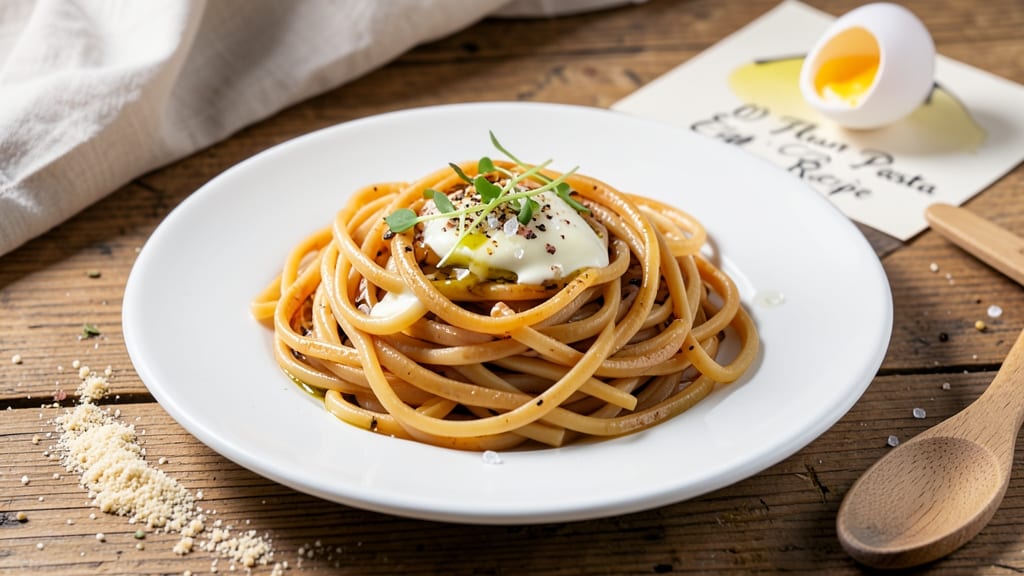
This 00 flour egg pasta recipe transforms simple ingredients into silky, golden strands that rival your favorite Italian trattoria. The secret lies in the ratio—just eggs, flour, and a pinch of salt—mixed to a smooth dough that rests before rolling.
I’ve perfected this method over years of testing, ensuring every strand cooks to al dente perfection in 15 minutes or less, with no guesswork.
The beauty of this recipe is its versatility: whether you shape it into delicate tagliatelle or wide fettuccine, the dough’s elasticity guarantees a tender bite. Traditional Italian cooks swear by hand-rolling for texture, but a food processor or rolling pin works just as well for home cooks.
The key? A 10-minute rest lets the gluten relax, preventing tough pasta.
What you’ll end up with is pasta that’s silky yet sturdy, with a golden hue and a bite that’s neither mushy nor overcooked. Pair it with marinara, pesto, or a simple butter-lemon sauce for a meal that feels restaurant-worthy. No special equipment needed—just patience and a light touch.
This dough keeps well in the fridge for up to 48 hours, so you can prep ahead and cook fresh whenever cravings strike. The process is simpler than it looks, and the results? Pure satisfaction. Let’s get started.
Ingredients for 00 flour egg pasta
Four simple ingredients create restaurant-quality pasta at home—no fancy tools needed.
| Ingredient | Amount | Notes |
|---|---|---|
| 00 Flour 🌾 | 2 ½ cups | High-protein for elasticity |
| Large Eggs 🥚 | 4 whole | Room temperature preferred |
| Fine Sea Salt 🧂 | ¼ tsp | Diamond Crystal preferred |
| Olive Oil 🫒 | 1 tbsp | For dusting work surface |
| Semolina Flour 🌾 | ¼ cup | For dusting pasta sheets |
| All-Purpose Flour 🌾 | ¼ cup | Reserve for shaping (optional) |
The 00 flour is non-negotiable here—its high protein content gives that signature elasticity. Barilla or Caputo are the gold standards, but any 00 flour from the Italian aisle works. Eggs should be large and at room temperature for a smoother dough. I always grab Parmalat eggs from the international section—they're consistently high quality. The salt matters too: Diamond Crystal dissolves better than table salt, so if you're using that, cut the amount by half. For the olive oil, any good-quality extra-virgin works, but avoid heavily flavored varieties—they can overpower the delicate pasta flavor.
No 00 flour? All-purpose flour plus 1 tbsp vital wheat gluten gets you close, though texture won't be identical. Egg substitutes? Flax eggs (4 tbsp ground flax + 10 tbsp water) work for binding, but the pasta won't be as tender. The semolina is optional but worth it—it prevents sticking when drying. For shaping, if you don't have a pasta machine, a rolling pin and some elbow grease will do. The key is patience: roll the dough thin but don't rush it. And if you're making tagliatelle, use a sharp knife—Japanese pull-cutting technique gives that signature ribbed edge.
Fresh pasta keeps in the fridge for 48 hours wrapped tightly in plastic, but it's best cooked within 24 hours for peak texture. For longer storage, freeze uncooked sheets between parchment paper for up to 3 months. Cook from frozen—just add an extra minute to the boiling time. The dough can be shaped ahead and refrigerated for 2 days before rolling. And here's my pro tip: cook pasta in well-salted water (like the sea) and reserve some pasta water—it's liquid gold for sauces.
Why You'll Love This Recipe
- No-Knead, No-Mess Magic: I swear by this dough—just toss the 00 flour and eggs, let it rest, then roll it out. No stand mixer, no overworking, and the semolina dusting keeps it from sticking like a glue trap.
- Al Dente Every Time: The high protein in 00 flour gives that perfect chew, while the eggs bind it just right. Toss it in olive oil and salt, and boom—restaurant-quality texture without the fuss.
- Weeknight Workhorse: I make a big batch on Sundays, freeze half, and pull it out for quick dinners. Works with marinara, pesto, or even just garlic and chili flakes—zero excuses for takeout.
- Pocketbook Hero: A dozen eggs and a bag of 00 flour stretch farther than store-bought. Plus, the semolina coating makes it feel fancy without the grocery bill. My wallet and taste buds win.
Step-by-step instructions for handmade 00 flour pasta
Here's how to craft silky, al dente pasta with just six ingredients and perfect technique.
Combine Flour and Eggs for a Smooth Dough
Create a well in the center of the 2.5 cups 00 flour on a clean work surface. Crack the 4 whole large eggs into the well, adding the 0.25 teaspoon fine sea salt. Using a fork, gently incorporate the eggs into the flour, gradually pulling in the outer edges until you have a shaggy mass. This prevents overworking the gluten too early.
Once the flour and eggs form a rough ball, begin kneading by pressing down with the heel of your hand and folding the dough over itself. Work for about 8-10 minutes until the dough becomes smooth, elastic, and no longer sticky. You'll know it's ready when it springs back when poked and feels firm to the touch. This kneading develops the gluten structure that gives pasta its signature chew.
Rest the Dough for Optimal Texture
Shape the dough into a rectangle and wrap it tightly in plastic wrap. Let it rest at room temperature for at least 30 minutes. This resting period allows the gluten to relax, making it much easier to roll out thin sheets without tearing. I like to place the wrapped dough in the refrigerator during this time to keep it cool and prevent overworking later.
The longer you rest the dough (up to 24 hours works well), the more tender the final pasta will be. This is particularly important with 00 flour, which has a lower protein content than all-purpose flour. The rest time helps compensate for this, creating a delicate yet sturdy texture that's perfect for egg pasta.
Roll and Cut the Pasta Sheets
Set up your rolling station by dusting the work surface with the 0.25 cup semolina flour. This prevents sticking and gives the pasta a beautiful, rustic finish. Using a pasta machine, roll the rested dough through the widest setting first, then gradually reduce the thickness through progressively narrower settings until you reach your desired thickness—typically around the third or fourth setting for most pasta types.
Fold the rolled sheet in half like a letter, then fold it in half again to create four layers. This makes it easier to handle and prevents the sheets from sticking together. Repeat this process 3-4 times, dusting with semolina flour between each fold. When ready to cut, run the dough through the machine's cutting attachment for your preferred pasta shape—tagliatelle, fettuccine, or linguine work beautifully.
Cook to Perfect Al Dente
Bring a large pot of well-salted water to a rolling boil—it should taste like the sea. Add the freshly cut pasta and cook for 2-3 minutes, stirring occasionally. The pasta is done when it floats to the surface and has a slight bite to it when bitten. This al dente texture is crucial for the best eating experience.
I like to reserve 1 cup of pasta water before draining, as it contains starch that helps create a silky sauce. The high gluten content in 00 flour means the pasta will cook quickly—don't let it sit in the water longer than necessary, or it will become mushy. Drain immediately and toss with a splash of the reserved pasta water to prevent sticking.
Shape and Finish (Optional)
For extra rustic presentation, dust your work surface with the 0.25 cup all-purpose flour and gently shape the cut pasta pieces into your desired form—whether it's classic tagliatelle or delicate farfalle. This step is optional but adds that homemade touch that store-bought pasta can't match.
Use your freshly made pasta immediately or store it in the refrigerator for up to 24 hours, or freeze it for up to 3 months. When ready to cook, simply boil as directed. The key to perfect egg pasta lies in the balance of protein-rich 00 flour and tender eggs, combined with proper technique that brings out their best qualities.
Pro Tips For Making 00 Flour Egg Pasta
- STRETCH THE DOUGH LONG: I learned this the hard way—skipping the 15-minute rest after kneading makes the pasta tough. Roll the dough out thin (about 1/16-inch) and fold it like a letter, then repeat 3-4 times. The gluten relaxes, and the pasta becomes silky instead of chewy.
- USE COLD EGGS: Room-temperature eggs make the dough sticky and hard to handle. Pop the eggs in the fridge for 10 minutes first, then crack them directly into the flour. The cold yolk binds better, and the dough stays manageable—no flouring the counter like a mad scientist.
- DON’T SKIP THE SEMOLINA: The semolina isn’t just for show—toss the cut pasta in a generous handful before cooking. It prevents sticking and adds a subtle nutty crunch. (Yes, even if you’re lazy like me—I used to skip it, but the difference is noticeable.)
- COOK IN BATCHES: Overcrowding the pot drops the water temp, leading to mushy pasta. Cook 100g at a time in a large pot of rolling water (like a boil, not a lazy simmer). The pasta cooks evenly and absorbs sauce better—no sad, limp strands here.
Flavor customization for this dish
Herb-Infused Variations
Add fresh herbs directly to the dough for vibrant flavors. I like 1 tbsp chopped basil or parsley mixed into the eggs before combining with flour—this creates delicate, aromatic strands perfect for pesto dishes.
For a more robust flavor, try ½ tsp dried oregano or thyme in the dough, which pairs beautifully with tomato-based sauces. 🌿
Spicy Twist
For heat lovers, incorporate ½ teaspoon red pepper flakes or 1 tsp finely chopped chili flakes into the dough. This subtle kick works especially well with creamy sauces like Alfredo or carbonara.
If you prefer a smoother heat, blend ¼ cup roasted red peppers into the egg mixture before combining with flour.
Colorful Add-Ins
Transform your pasta with natural colorants. For a vibrant yellow, add 1 tbsp turmeric or ½ cup pureed roasted butternut squash to the egg mixture. For a deep green, blend ½ cup spinach or basil until finely chopped and mix into the dough.
These additions are purely decorative but add visual appeal to your dishes.
Nutty Crunch
For texture contrast, sprinkle 1-2 tbsp finely ground nuts (like hazelnuts or walnuts) into the flour before mixing. The nuts add a subtle crunch that pairs wonderfully with rich sauces.
I recommend toasting the nuts first to enhance their flavor. This works particularly well with creamy sauces like ricotta or walnut pesto.
Sweet & Savory
Surprise your taste buds with a touch of sweetness. Add 1 tbsp honey or maple syrup to the egg mixture for a delicate sweetness that balances savory flavors. This variation works beautifully with buttery lemon or honey-mustard sauces. The sweetness is subtle but enhances the overall complexity of the pasta.
Cheesy Delight
For a decadent twist, fold ¼ cup grated Parmesan cheese into the dough. This creates a rich, nutty flavor that pairs perfectly with tomato-based sauces or simple olive oil finishes.
For extra richness, add 1 oz melted butter to the egg mixture before combining with flour. This variation is especially satisfying for hearty meals.
Nutrition facts
Frequently asked questions
Why does my 00 flour egg pasta turn out tough?
The most common cause is overworking the dough during kneading or skipping the 30-minute rest. 00 flour has less protein than all-purpose, so handle it gently—knead just until smooth (8-10 minutes) and let it relax before rolling. If the dough feels resistant, it needs more rest time (try 1 hour in the fridge).
Can I make this pasta without a pasta machine?
Use a rolling pin instead—start with the dough at ¼-inch thickness and gradually roll it thinner between layers of semolina flour. For even sheets, fold the dough in quarters after each roll. For cutting, try a sharp knife or the edge of a ruler for straight edges like fettuccine.
How do I store homemade egg pasta?
Fresh pasta keeps in an airtight container in the fridge for 2 days, but it's best cooked within 24 hours for peak texture. For longer storage, freeze uncooked sheets between parchment paper for up to 3 months. Cook from frozen by adding 1 extra minute to boiling time.
What's the best way to test if my pasta is al dente?
Cook pasta 1 minute less than package instructions suggest, then taste-test by biting a strand. It should have a slight resistance in the center—like biting into a crisp apple. For precision, use a timer and check at 2 minutes (fresh pasta cooks faster than dried).
Can I substitute 00 flour with all-purpose flour?
You can try, but the texture will differ—all-purpose has more protein, making pasta chewier. For closer results, mix 2.25 cups all-purpose flour with 1 tbsp vital wheat gluten and 0.25 cup 00 flour. The gluten boost helps mimic 00's delicate structure, though it won't be identical.